100% de satisfacción garantizada Inmediatamente disponible después del pago Tanto en línea como en PDF No estas atado a nada 4,6 TrustPilot
logo-home
Examen

Introduction to Psychology Final Exam Study Guide

Puntuación
-
Vendido
-
Páginas
3
Grado
A+
Subido en
04-12-2025
Escrito en
2025/2026

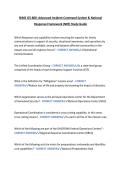
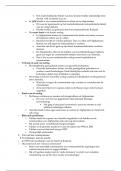
Introduction to Psychology Final Exam Study Guide (Key Topics, Definitions, and Examples) Chapter 1: History and Perspectives 1. Major Psychological Perspectives • Psychoanalytic Theory: Focuses on unconscious motives, childhood experiences, and personality development (e.g., Freud’s emphasis on repressed memories) • Behaviorism: Studies observable behavior (e.g., Watson’s conditioning experiments) • Humanism: Emphasizes free will, self-actualization, and personal growth (e.g., Maslow’s hierarchy of needs). • Cognitive Perspective: Examines thought processes, memory, and problem solving (e.g., how beliefs influence behavior). 2. Foundational Figures • Wilhelm Wundt (Introspection), William James (Functionalism), John B. Watson (Behaviorism), Max Wertheimer (Gestalt). Chapter 2: Research Methods 1. Empirical Science: Relies on observable evidence (e.g., experiments, surveys). 2. Critical Thinking: Evaluating claims using scientific reasoning (e.g., testing "left/right brain" myths). 3. Experimental Design: Independent/dependent variables, control groups, and replication. Chapter 3: Biological Psychology 1. Gate Control Theory: Explains how psychological factors influence pain perception (e.g., athletes ignoring injuries). 2. Prosopagnosia: Inability to recognize faces due to temporal lobe damage. 3. Neurotransmitters: Serotonin (mood), dopamine (reward), and their roles in behavior. Chapter 4: Sensation and Perception 1. Gestalt Principles: • Proximity: Grouping nearby objects (e.g., stars forming constellations). • Closure: Filling in gaps (e.g., seeing a circle from broken lines). 2. Illusions: Ponzo illusion (depth perception) and Müller-Lyer illusion (line length). Chapter 5: Learning and Memory 1. Classical Conditioning: Pavlov’s dogs (pairing bell with food). 2. Operant Conditioning: Skinner’s reinforcement (e.g., rewards for good grades). 3. Functional Fixedness: Inability to see new uses for objects (e.g., using a shoe as a hammer). Chapter 6: Intelligence and Testing 1. WAIS: Wechsler Adult Intelligence Scale (measures verbal and performance IQ). 2. Spearman’s G: General intelligence underlying all cognitive abilities. 3. Savant Syndrome: Exceptional skill in one area despite limited general intelligence (e.g., calendar calculation). Chapter 7: Personality 1. Big Five Traits: • Openness: Creativity, curiosity. • Conscientiousness: Organization, dependability. • Extroversion: Sociability, assertiveness. • Agreeableness: Compassion, cooperativeness. • Neuroticism: Emotional instability. 2. Assessment Tools: California Q-sort (self-descriptive statements) and projective tests (Rorschach inkblots). Chapter 8: Social Psychology 1. Attribution Theory: Explaining behavior as situational (e.g., stress) vs. dispositional (e.g., personality). 2. Autokinetic Effect: Perceiving stationary light as moving in darkness (used in conformity studies). 3. ABC Model: Affect (emotions), Behavior (actions), Cognition (thoughts) in attitude formation. Chapter 9: Psychological Disorders 1. Schizophrenia: • Positive Symptoms: Hallucinations, delusions. • Negative Symptoms: Flat affect, social withdrawal. 2. Defense Mechanisms: Repression (forgetting trauma), projection (attributing feelings to others). Chapter 10: Therapies 1. CBT: Cognitive Behavioral Therapy (changing maladaptive thoughts). 2. Psychoanalysis: Exploring unconscious conflicts (e.g., dream analysis). Study Tips • Flashcards: Use Quizlet/Brainscape decks for memorization. • Practice Tests: Take timed exams on S. • Case Studies: Apply theories to real-world examples (e.g., prosopagnosia in patient cases). References • Studocu. (2024). Intro to Psychology Final Exam Study Guide With Answers. • Quizlet. (2024). Intro to Psychology Final Exam Flashcards. • S. (2024). Psychology 101: Intro to Psychology Final Exam. • YouTube. (2020). PSYC 1001 Final Exam Review.

Mostrar más Leer menos
Institución
Introduction To Psychology
Grado
Introduction to Psychology


Ups! No podemos cargar tu documento ahora. Inténtalo de nuevo o contacta con soporte.

Escuela, estudio y materia

Institución
Introduction to Psychology
Grado
Introduction to Psychology

Información del documento

Subido en
4 de diciembre de 2025
Número de páginas
3
Escrito en
2025/2026
Tipo
Examen
Contiene
Preguntas y respuestas

Temas

Vista previa del contenido

Introduction to Psychology Final Exam Study Guide
(Key Topics, Definitions, and Examples)
Chapter 1: History and Perspectives
1. Major Psychological Perspectives
• Psychoanalytic Theory: Focuses on unconscious motives, childhood experiences,
and personality development (e.g., Freud’s emphasis on repressed memories)
• Behaviorism: Studies observable behavior (e.g., Watson’s conditioning
experiments)
• Humanism: Emphasizes free will, self-actualization, and personal growth (e.g.,
Maslow’s hierarchy of needs).
• Cognitive Perspective: Examines thought processes, memory, and problem-
solving (e.g., how beliefs influence behavior).
2. Foundational Figures
• Wilhelm Wundt (Introspection), William James (Functionalism), John B. Watson
(Behaviorism), Max Wertheimer (Gestalt).
Chapter 2: Research Methods
1. Empirical Science: Relies on observable evidence (e.g., experiments, surveys).
2. Critical Thinking: Evaluating claims using scientific reasoning (e.g., testing "left/right
brain" myths).
3. Experimental Design: Independent/dependent variables, control groups, and replication.
Chapter 3: Biological Psychology
1. Gate Control Theory: Explains how psychological factors influence pain perception (e.g.,
athletes ignoring injuries).
2. Prosopagnosia: Inability to recognize faces due to temporal lobe damage.
3. Neurotransmitters: Serotonin (mood), dopamine (reward), and their roles in behavior.
Chapter 4: Sensation and Perception
1. Gestalt Principles:
• Proximity: Grouping nearby objects (e.g., stars forming constellations).
• Closure: Filling in gaps (e.g., seeing a circle from broken lines).
$9.99
Accede al documento completo:

100% de satisfacción garantizada
Inmediatamente disponible después del pago
Tanto en línea como en PDF
No estas atado a nada

Conoce al vendedor

Seller avatar
Los indicadores de reputación están sujetos a la cantidad de artículos vendidos por una tarifa y las reseñas que ha recibido por esos documentos. Hay tres niveles: Bronce, Plata y Oro. Cuanto mayor reputación, más podrás confiar en la calidad del trabajo del vendedor.
TheExamMaestro Teachme2-tutor
Seguir Necesitas iniciar sesión para seguir a otros usuarios o asignaturas
Vendido
121
Miembro desde
1 año
Número de seguidores
5
Documentos
3161
Última venta
5 días hace
Exam Vault

Exam Vault is your trusted destination for high-quality exam materials and study resources. We provide a wide rage of tests and prep guides to help you succeed, whether you're preparing for academic exams, certifications, or professional assessments

3.8

13 reseñas

5
7
4
2
3
1
2
0
1
3

Recientemente visto por ti

Por qué los estudiantes eligen Stuvia

Creado por compañeros estudiantes, verificado por reseñas

Calidad en la que puedes confiar: escrito por estudiantes que aprobaron y evaluado por otros que han usado estos resúmenes.

¿No estás satisfecho? Elige otro documento

¡No te preocupes! Puedes elegir directamente otro documento que se ajuste mejor a lo que buscas.

Paga como quieras, empieza a estudiar al instante

Sin suscripción, sin compromisos. Paga como estés acostumbrado con tarjeta de crédito y descarga tu documento PDF inmediatamente.

Student with book image

“Comprado, descargado y aprobado. Así de fácil puede ser.”

Alisha Student

Preguntas frecuentes