NUR 203- EXAM 4
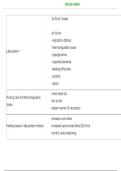
34-36 6/7 weeks
At risk for:
-respiratory distress
-thermoregulation issues
Late preterm
-hypoglycemia
-hyperbilirubinemia
-feeding difficulties
-acidosis
-sepsis
check temp Q4
Nursing care for thermoregulation
skin to skin
issues
radiant warmer (if necessary)
immature suck reflex
Feeding issues in late preterm infants increased calorie need (feed Q2-3 hrs)
monitor suck/swallowing
, NUR 203- EXAM 4
immature system
low birth weight
Hypoglycemia in late preterm infants
feeding difficulties
glucose checks
poor temp control
jittery
Signs of hypoglycemia high pitched cry
(dont d/c before 48 hrs- need to be feeding well, good temp, bill leve
normal)
frail, weak, decreased muscle tone, large head, skin red and transpare
S/S of preterm infants (lack of subcutaneous fat), abundant lanugo and vernix, little cartilage
pinnae of ear
urine output <2mL/kg/hr
urine specific gravity >1.01
wt loss greater than expected
Signs of dehydration in the newborn dry skin/ mm
sunken anterior fontanel
poor tissue turgor
labs: ELEVATED Na, protein, and Hct
, NUR 203- EXAM 4
urine output >5mL/kg/hr
urine specific gravity <1.002
edema
Signs of over hydration in the wt gain greater than expected
newborn bulging fontanels
moist breath sounds
difficulty breathing
labs: DECREASED Na, protein, and Hct
signs of apnea not breathing for 20+ sec WITH cyanosis
not breathing for 5-10 sec followed by rapid respirations (normal) with
signs of periodic breathing
other associated symptoms
poor feeding, irritability followed by lethargy, weak cry/suck, decrease
Signs of inadequate temp control
muscle tone, hypoglycemia, or respiratory distress
changes in VS
cyanosis
signs of overstimulation in preterm pallor/mottling
infants nasal flaring
sneezing
coughing
, NUR 203- EXAM 4
stiff extended arms or legs
arching
behavioral changes of overstimulation turning away from eye contact
yawning
fatigue
how much should be given in enteral 105-130 kcal/kg/day
feedings
rooting reflex
Signs baby is ready for nipple active sucking
feedings RR <60
gag reflex
The condition resulting from inadequate production of surfactant and
resultant collapse of alveoli is
respiratory distress syndrome
usually occurs within first hours after birth
34-36 6/7 weeks
At risk for:
-respiratory distress
-thermoregulation issues
Late preterm
-hypoglycemia
-hyperbilirubinemia
-feeding difficulties
-acidosis
-sepsis
check temp Q4
Nursing care for thermoregulation
skin to skin
issues
radiant warmer (if necessary)
immature suck reflex
Feeding issues in late preterm infants increased calorie need (feed Q2-3 hrs)
monitor suck/swallowing
, NUR 203- EXAM 4
immature system
low birth weight
Hypoglycemia in late preterm infants
feeding difficulties
glucose checks
poor temp control
jittery
Signs of hypoglycemia high pitched cry
(dont d/c before 48 hrs- need to be feeding well, good temp, bill leve
normal)
frail, weak, decreased muscle tone, large head, skin red and transpare
S/S of preterm infants (lack of subcutaneous fat), abundant lanugo and vernix, little cartilage
pinnae of ear
urine output <2mL/kg/hr
urine specific gravity >1.01
wt loss greater than expected
Signs of dehydration in the newborn dry skin/ mm
sunken anterior fontanel
poor tissue turgor
labs: ELEVATED Na, protein, and Hct
, NUR 203- EXAM 4
urine output >5mL/kg/hr
urine specific gravity <1.002
edema
Signs of over hydration in the wt gain greater than expected
newborn bulging fontanels
moist breath sounds
difficulty breathing
labs: DECREASED Na, protein, and Hct
signs of apnea not breathing for 20+ sec WITH cyanosis
not breathing for 5-10 sec followed by rapid respirations (normal) with
signs of periodic breathing
other associated symptoms
poor feeding, irritability followed by lethargy, weak cry/suck, decrease
Signs of inadequate temp control
muscle tone, hypoglycemia, or respiratory distress
changes in VS
cyanosis
signs of overstimulation in preterm pallor/mottling
infants nasal flaring
sneezing
coughing
, NUR 203- EXAM 4
stiff extended arms or legs
arching
behavioral changes of overstimulation turning away from eye contact
yawning
fatigue
how much should be given in enteral 105-130 kcal/kg/day
feedings
rooting reflex
Signs baby is ready for nipple active sucking
feedings RR <60
gag reflex
The condition resulting from inadequate production of surfactant and
resultant collapse of alveoli is
respiratory distress syndrome
usually occurs within first hours after birth