Child Psychopathology
8th Edition by Eric J. Mash
Complete Chapter Solutions Manual
are included (Ch 1 to 14)
** Immediate Download
** Swift Response
** All Chapters included
,Solution and Answer Guide
ERIC J. MASH, DAVID A. WOLFE, KATHERINE NGUYEN WILLIAMS, CHILD PSYCHOPATHOLOGY, 2024,
9780357796580
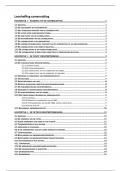
TABLE OF CONTENTS
Section Review Answers ..................................................................................................................... 1
Chapter 1 ................................................................................................................................................... 1
Chapter 2 ................................................................................................................................................... 3
Chapter 3 ................................................................................................................................................... 6
Chapter 4 ................................................................................................................................................... 8
Chapter 5 ................................................................................................................................................. 10
Chapter 6 ................................................................................................................................................. 12
Chapter 7 ................................................................................................................................................. 18
Chapter 8 ................................................................................................................................................. 21
Chapter 9 ................................................................................................................................................. 25
Chapter 10 ............................................................................................................................................... 29
Chapter 11 ............................................................................................................................................... 35
Chapter 12 ............................................................................................................................................... 40
Chapter 13 ............................................................................................................................................... 42
Chapter 14 ............................................................................................................................................... 44
SECTION REVIEW ANSWERS
CHAPTER 1
Section 1.1
1. What was John Locke’s perspective on how children should be treated?
Solution
Locke believed in individual rights, and he expressed the novel opinion that children should be
raised with thought and care instead of indifference and harsh treatment.
2. List the interactive systems that impact child development, according to the Ecological Systems
Theory.
1
, Solution
The interactive systems that impact child development, according to the Ecological Systems
Theory, are the microsystem, mesosystem, exosystem, macrosystem, and the chronosystem.
3. Identify two of the new principles of learning that were introduced during the rise of
behaviorism in the 1900s.
Solution
The development of evidence-based treatments for children, youths, and families can be traced
to the rise of behaviorism in the early 1900s. John Watson demonstrated the principles of
operant and classical conditioning with his famous Little Albert study.
Section 1.2
1. True or False: The primary reason for defining psychological disorders is to allow professionals
to efficiently use labels to describe individuals.
Solution
False: Terms used to describe psychopathology are meant to define behavior, not to be used as
labels to describe individuals.
2. Define the study of psychological disorders.
Solution
The study of psychological disorders involves attempts to describe the mental health concerns,
to understand contributing causes, and to treat or prevent them.
3. Describe the difference between multifinality and equifinality.
Solution
Developmental pathways help describe the course and nature of child development;
multifinality means that various outcomes may stem from similar beginnings, whereas
equifinality means that similar outcomes stem from different early experiences.
Section 1.3
1. List at least three factors that can disrupt a child’s healthy development.
Solution
Children’s healthy development may be put in jeopardy because of risk factors, which can
include acute, stressful situations and chronic adversity.
2. Define resiliency.
Solution
2
, Resiliency is the process and outcome of effectively adapting to challenging life experiences and
is related to the way the child views and engages with the world, the availability and quality of
social resources, and the continual development of effective coping strategies.
Section 1.4
1. N/A
Solution
N/A
2. N/A
Solution
N/A
Section 1.5
1. List at least two factors that impact children who are disproportionately affected by mental
health concerns.
Solution
Children who experience more social and economic disadvantage or inequality and children
exposed to more violent, inadequate, or chronically stressful environments are
disproportionately impacted with mental health concerns.
2. Define ACEs and how they impact a child’s physical development.
Solution
Adverse childhood experiences (ACEs) are associated with chronic health problems, substance
use challenges, and mental illness, and negatively impact individuals in areas such as education,
job opportunities, and earning potential.
CHAPTER 2
Section 2.1
1. Identify at least three systems that impact child development, according to the ecological
perspective.
Solution
Within the ecological perspective (Bronfenbrenner, 1979), child development is impacted by
multiple systems, such as home, neighborhood, and school. Biological factors include genetic
and neurobiological contributors, among others.
2. In the cognitive model, what is the primary factor that impacts a child’s emotional or behavioral
response?
3
8th Edition by Eric J. Mash
Complete Chapter Solutions Manual
are included (Ch 1 to 14)
** Immediate Download
** Swift Response
** All Chapters included
,Solution and Answer Guide
ERIC J. MASH, DAVID A. WOLFE, KATHERINE NGUYEN WILLIAMS, CHILD PSYCHOPATHOLOGY, 2024,
9780357796580
TABLE OF CONTENTS
Section Review Answers ..................................................................................................................... 1
Chapter 1 ................................................................................................................................................... 1
Chapter 2 ................................................................................................................................................... 3
Chapter 3 ................................................................................................................................................... 6
Chapter 4 ................................................................................................................................................... 8
Chapter 5 ................................................................................................................................................. 10
Chapter 6 ................................................................................................................................................. 12
Chapter 7 ................................................................................................................................................. 18
Chapter 8 ................................................................................................................................................. 21
Chapter 9 ................................................................................................................................................. 25
Chapter 10 ............................................................................................................................................... 29
Chapter 11 ............................................................................................................................................... 35
Chapter 12 ............................................................................................................................................... 40
Chapter 13 ............................................................................................................................................... 42
Chapter 14 ............................................................................................................................................... 44
SECTION REVIEW ANSWERS
CHAPTER 1
Section 1.1
1. What was John Locke’s perspective on how children should be treated?
Solution
Locke believed in individual rights, and he expressed the novel opinion that children should be
raised with thought and care instead of indifference and harsh treatment.
2. List the interactive systems that impact child development, according to the Ecological Systems
Theory.
1
, Solution
The interactive systems that impact child development, according to the Ecological Systems
Theory, are the microsystem, mesosystem, exosystem, macrosystem, and the chronosystem.
3. Identify two of the new principles of learning that were introduced during the rise of
behaviorism in the 1900s.
Solution
The development of evidence-based treatments for children, youths, and families can be traced
to the rise of behaviorism in the early 1900s. John Watson demonstrated the principles of
operant and classical conditioning with his famous Little Albert study.
Section 1.2
1. True or False: The primary reason for defining psychological disorders is to allow professionals
to efficiently use labels to describe individuals.
Solution
False: Terms used to describe psychopathology are meant to define behavior, not to be used as
labels to describe individuals.
2. Define the study of psychological disorders.
Solution
The study of psychological disorders involves attempts to describe the mental health concerns,
to understand contributing causes, and to treat or prevent them.
3. Describe the difference between multifinality and equifinality.
Solution
Developmental pathways help describe the course and nature of child development;
multifinality means that various outcomes may stem from similar beginnings, whereas
equifinality means that similar outcomes stem from different early experiences.
Section 1.3
1. List at least three factors that can disrupt a child’s healthy development.
Solution
Children’s healthy development may be put in jeopardy because of risk factors, which can
include acute, stressful situations and chronic adversity.
2. Define resiliency.
Solution
2
, Resiliency is the process and outcome of effectively adapting to challenging life experiences and
is related to the way the child views and engages with the world, the availability and quality of
social resources, and the continual development of effective coping strategies.
Section 1.4
1. N/A
Solution
N/A
2. N/A
Solution
N/A
Section 1.5
1. List at least two factors that impact children who are disproportionately affected by mental
health concerns.
Solution
Children who experience more social and economic disadvantage or inequality and children
exposed to more violent, inadequate, or chronically stressful environments are
disproportionately impacted with mental health concerns.
2. Define ACEs and how they impact a child’s physical development.
Solution
Adverse childhood experiences (ACEs) are associated with chronic health problems, substance
use challenges, and mental illness, and negatively impact individuals in areas such as education,
job opportunities, and earning potential.
CHAPTER 2
Section 2.1
1. Identify at least three systems that impact child development, according to the ecological
perspective.
Solution
Within the ecological perspective (Bronfenbrenner, 1979), child development is impacted by
multiple systems, such as home, neighborhood, and school. Biological factors include genetic
and neurobiological contributors, among others.
2. In the cognitive model, what is the primary factor that impacts a child’s emotional or behavioral
response?
3