Problem 5 – Sex Issues
Sex and hormones
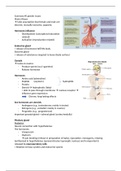
- males and females start with the same anatomy during an early stage of prenatal development
Both have:
1. A set of Müllerian ducts (precursors to female internal structures)
2. A set of Wolffian ducts (precursor to male internal structures)
3. Pair of primordial gonads:
• each gonad has a cortex (outer covering)
→ which has the potential to develop into ovaries
• each gonad also has a medulla (internal core)
→ which has the potential to develop into a testis
The Sex:
- sex is greatly influenced by the secretions of a small pair of glands
- hormones influence sex in two fundamentally different ways:
1. by influencing the development from conception to sexual maturity of the anatomical,
physiological, and behavioral characteristics that distinguish one as female or male
2. by activating the reproduction-related behavior of sexually mature adults
Males:
- XY chromosomes
- Y chromosome include the SRY gene
(sex-determining region of Y chromosome)
- SRY gene: triggers synthesis of SRY protein
→ causes medulla of primordial gonads to develop into testes (sperm producing organ)
- developing testes produce androgens (testosterone)
- testosterone:
• increases the growth of testes and scrotum
• cause primitive Wolffian ducts to develop into semi vesicles (saclike structure that stores
semen) and vas deferens (duct from the testis into penis)
- testes produce MIH (Müllerian inhibiting hormone)
→ MIH causes the Müllerian ducts to degenerate
- final result is development of penis and scrotum
Females:
- XX chromosomes
- don’t have the SRY gene
- the cortical cells of the primordial gonads develop ovaries and Wolffian ducts degenerate
- ovaries do not produce MIH – so the Müllerian ducts develop and mature into oviducts, uterus and
upper vagina
From then on:
- male’s testes produce more androgens than estrogens
- female’s ovaries produce more estrogens than androgens
, Androgenes and Estrogenes
- are steroid hormones
- contain four carbon rings derived from cholesterol
- Androgens: testosterone
- Estrogene: estradiol
- progestin: progesterone – is a third class
→ in females: prepares uterus and breasts for pregnancy
→ in males: function is unclear
- influence activity in many brain areas
- alter the pattern of which neuron survive during early development
→some biological differences depend directly on control by the X and Y chromosomes
independently of hormones
Steroids:
- influence their effects in three ways:
1. Bind to membrane receptors
→ like neurotransmitters
→ excerting rapid effects
2. Enter cells and activate certain kinds of proteins
→ in the cytoplasm
(small and fat-soluble so can readily penetrate cell membranes)
3. Bind to receptors that bind to chromosomes
→ there they activate/ inactivate certain genes
Two categories of effects of sex hormones:
1. Organizational/ Development effects:
- produce long lasting structural effects
- most prominent effects occur during sensitive stage of early development
→ determines male or female anatomy + during onset of puberty
2. Activational effects:
- more temporary
→ when hormones increases some activity that lasts only while the hormone is present
- can occur at any time in life
→ ex. menstrual circle
- distinction between both effects are not absolute
- hormones can produce combination of temporary and longer-lasting effects
→ behavioral masculinization
• refers to the androgen-stimulated development of neural circuits that respond to testosterone
in adulthood
• produces male sexual behavior
→ behavioral defeminisation
• refers to the inhibitory effects of androgens on the development of neural circuits that
respond to estradiol and progesterone in adulthood
• produce female sexual behavior
Sex and hormones
- males and females start with the same anatomy during an early stage of prenatal development
Both have:
1. A set of Müllerian ducts (precursors to female internal structures)
2. A set of Wolffian ducts (precursor to male internal structures)
3. Pair of primordial gonads:
• each gonad has a cortex (outer covering)
→ which has the potential to develop into ovaries
• each gonad also has a medulla (internal core)
→ which has the potential to develop into a testis
The Sex:
- sex is greatly influenced by the secretions of a small pair of glands
- hormones influence sex in two fundamentally different ways:
1. by influencing the development from conception to sexual maturity of the anatomical,
physiological, and behavioral characteristics that distinguish one as female or male
2. by activating the reproduction-related behavior of sexually mature adults
Males:
- XY chromosomes
- Y chromosome include the SRY gene
(sex-determining region of Y chromosome)
- SRY gene: triggers synthesis of SRY protein
→ causes medulla of primordial gonads to develop into testes (sperm producing organ)
- developing testes produce androgens (testosterone)
- testosterone:
• increases the growth of testes and scrotum
• cause primitive Wolffian ducts to develop into semi vesicles (saclike structure that stores
semen) and vas deferens (duct from the testis into penis)
- testes produce MIH (Müllerian inhibiting hormone)
→ MIH causes the Müllerian ducts to degenerate
- final result is development of penis and scrotum
Females:
- XX chromosomes
- don’t have the SRY gene
- the cortical cells of the primordial gonads develop ovaries and Wolffian ducts degenerate
- ovaries do not produce MIH – so the Müllerian ducts develop and mature into oviducts, uterus and
upper vagina
From then on:
- male’s testes produce more androgens than estrogens
- female’s ovaries produce more estrogens than androgens
, Androgenes and Estrogenes
- are steroid hormones
- contain four carbon rings derived from cholesterol
- Androgens: testosterone
- Estrogene: estradiol
- progestin: progesterone – is a third class
→ in females: prepares uterus and breasts for pregnancy
→ in males: function is unclear
- influence activity in many brain areas
- alter the pattern of which neuron survive during early development
→some biological differences depend directly on control by the X and Y chromosomes
independently of hormones
Steroids:
- influence their effects in three ways:
1. Bind to membrane receptors
→ like neurotransmitters
→ excerting rapid effects
2. Enter cells and activate certain kinds of proteins
→ in the cytoplasm
(small and fat-soluble so can readily penetrate cell membranes)
3. Bind to receptors that bind to chromosomes
→ there they activate/ inactivate certain genes
Two categories of effects of sex hormones:
1. Organizational/ Development effects:
- produce long lasting structural effects
- most prominent effects occur during sensitive stage of early development
→ determines male or female anatomy + during onset of puberty
2. Activational effects:
- more temporary
→ when hormones increases some activity that lasts only while the hormone is present
- can occur at any time in life
→ ex. menstrual circle
- distinction between both effects are not absolute
- hormones can produce combination of temporary and longer-lasting effects
→ behavioral masculinization
• refers to the androgen-stimulated development of neural circuits that respond to testosterone
in adulthood
• produces male sexual behavior
→ behavioral defeminisation
• refers to the inhibitory effects of androgens on the development of neural circuits that
respond to estradiol and progesterone in adulthood
• produce female sexual behavior