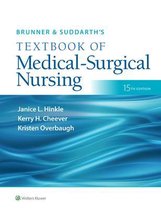
Brunner & Suddarth's Textbook of Medical-
Surgical Nursing
15th Edition
Author(s)Janice Hinkle, Kerry H. Cheever,
Kristen Overbaugh
TEST BANK
1
Reference: Ch. 1 — Nursing
Question Stem: A hospitalized older adult expresses confusion
about discharge instructions and asks the nurse to repeat them
multiple times. Which nursing action BEST reflects professional
nursing practice while ensuring patient safety and autonomy?
A. Repeat the instructions slowly until the patient appears to
understand.
B. Provide the instructions again and document that the patient
was given information.
C. Assess the patient’s understanding, use teach-back, and
,involve the family or caregiver in teaching.
D. Simplify the instructions into one written sentence and give it
to the patient.
Correct Answer: C
Rationales:
• Correct (C): Professional nursing practice includes
assessing understanding, using teach-back to verify
comprehension, and involving family/caregivers when
appropriate to support safe care transitions and patient
autonomy. (Brunner & Suddarth: Nursing).
• A (incorrect): Repeating alone may not confirm
comprehension or identify barriers (e.g., hearing loss,
cognition).
• B (incorrect): Simply providing and documenting
information without verifying understanding risks unsafe
discharge.
• D (incorrect): Oversimplifying to one sentence may omit
critical details; comprehension must be evaluated, not
assumed.
Teaching Point: Use teach-back and involve caregivers to
confirm patient understanding before discharge.
Citation: Hinkle, J., Cheever, K., & Overbaugh, K. (2022).
Brunner & Suddarth’s Textbook of Medical-Surgical Nursing
(15th Ed.). Ch. 1.
,2
Reference: Ch. 1 — The Patient: Consumer of Nursing and
Health Care
Question Stem: A patient with limited English proficiency needs
teaching about a new medication. Which approach best
demonstrates patient-centered care and reduces health
disparities?
A. Hand the patient the medication fact sheet in English and ask
if they have questions.
B. Use a professional medical interpreter and culturally
appropriate educational materials.
C. Ask a bilingual family member to translate to save time.
D. Provide a translated pamphlet and assume comprehension.
Correct Answer: B
Rationales:
• Correct (B): Patient-centered care requires professional
interpretation and culturally appropriate materials to
ensure accurate communication and equitable care.
(Brunner & Suddarth: The Patient).
• A (incorrect): English materials without interpretation do
not ensure understanding.
• C (incorrect): Family members may introduce inaccuracies
and compromise confidentiality.
, • D (incorrect): A translated pamphlet alone doesn’t confirm
comprehension or allow questions.
Teaching Point: Use professional interpreters and culturally
tailored materials to ensure equitable communication.
Citation: Hinkle, J., Cheever, K., & Overbaugh, K. (2022).
Brunner & Suddarth’s Textbook of Medical-Surgical Nursing
(15th Ed.). Ch. 1.
3
Reference: Ch. 1 — The Patient’s Basic Needs: Maslow
Hierarchy of Needs
Question Stem: A postoperative patient is complaining of
severe shortness of breath and chest pain while requesting pain
medication. Using Maslow’s hierarchy and prioritization, what
should the nurse do FIRST?
A. Administer the prescribed opioid analgesic to relieve pain.
B. Assess airway, breathing, and oxygenation and call the
provider if unstable.
C. Reposition the patient for comfort and encourage deep
breathing.
D. Offer reassurance and explain the importance of pain
management.
Correct Answer: B
Rationales:
Surgical Nursing
15th Edition
Author(s)Janice Hinkle, Kerry H. Cheever,
Kristen Overbaugh
TEST BANK
1
Reference: Ch. 1 — Nursing
Question Stem: A hospitalized older adult expresses confusion
about discharge instructions and asks the nurse to repeat them
multiple times. Which nursing action BEST reflects professional
nursing practice while ensuring patient safety and autonomy?
A. Repeat the instructions slowly until the patient appears to
understand.
B. Provide the instructions again and document that the patient
was given information.
C. Assess the patient’s understanding, use teach-back, and
,involve the family or caregiver in teaching.
D. Simplify the instructions into one written sentence and give it
to the patient.
Correct Answer: C
Rationales:
• Correct (C): Professional nursing practice includes
assessing understanding, using teach-back to verify
comprehension, and involving family/caregivers when
appropriate to support safe care transitions and patient
autonomy. (Brunner & Suddarth: Nursing).
• A (incorrect): Repeating alone may not confirm
comprehension or identify barriers (e.g., hearing loss,
cognition).
• B (incorrect): Simply providing and documenting
information without verifying understanding risks unsafe
discharge.
• D (incorrect): Oversimplifying to one sentence may omit
critical details; comprehension must be evaluated, not
assumed.
Teaching Point: Use teach-back and involve caregivers to
confirm patient understanding before discharge.
Citation: Hinkle, J., Cheever, K., & Overbaugh, K. (2022).
Brunner & Suddarth’s Textbook of Medical-Surgical Nursing
(15th Ed.). Ch. 1.
,2
Reference: Ch. 1 — The Patient: Consumer of Nursing and
Health Care
Question Stem: A patient with limited English proficiency needs
teaching about a new medication. Which approach best
demonstrates patient-centered care and reduces health
disparities?
A. Hand the patient the medication fact sheet in English and ask
if they have questions.
B. Use a professional medical interpreter and culturally
appropriate educational materials.
C. Ask a bilingual family member to translate to save time.
D. Provide a translated pamphlet and assume comprehension.
Correct Answer: B
Rationales:
• Correct (B): Patient-centered care requires professional
interpretation and culturally appropriate materials to
ensure accurate communication and equitable care.
(Brunner & Suddarth: The Patient).
• A (incorrect): English materials without interpretation do
not ensure understanding.
• C (incorrect): Family members may introduce inaccuracies
and compromise confidentiality.
, • D (incorrect): A translated pamphlet alone doesn’t confirm
comprehension or allow questions.
Teaching Point: Use professional interpreters and culturally
tailored materials to ensure equitable communication.
Citation: Hinkle, J., Cheever, K., & Overbaugh, K. (2022).
Brunner & Suddarth’s Textbook of Medical-Surgical Nursing
(15th Ed.). Ch. 1.
3
Reference: Ch. 1 — The Patient’s Basic Needs: Maslow
Hierarchy of Needs
Question Stem: A postoperative patient is complaining of
severe shortness of breath and chest pain while requesting pain
medication. Using Maslow’s hierarchy and prioritization, what
should the nurse do FIRST?
A. Administer the prescribed opioid analgesic to relieve pain.
B. Assess airway, breathing, and oxygenation and call the
provider if unstable.
C. Reposition the patient for comfort and encourage deep
breathing.
D. Offer reassurance and explain the importance of pain
management.
Correct Answer: B
Rationales: