Lecture 6
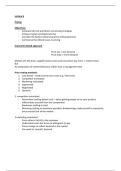
Pricing
Objectives:
- Compare full cost and direct cost pricing strategies
- Critique market orientated pricing
- Consider the factors influencing price-setting decisions
- Summarise the ethical issues in pricing
-
Economics-based approach
Price rise = less demand
Price drop = more demand
Market sets the price: supplier lowers price and consumers buy more = market clears
But
An explanation of market behaviour rather than a management tool
Price-setting methods:
1. Cost based – need to know your costs e.g., fixed costs
2. Competitor orientated
3. Marketing orientated
4. Segmented
5. Negotiated
6. Dynamic
2. competitor-orientated
- Penetration (selling below cost) – about getting people to try your product,
differentiate yourself from the competition
- Breakeven (selling at cost)
- Skimming (selling at maximum possible) -disadvantage; make ourself to expensive,
price yourself out of the market
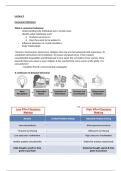
3.marketing orientated
- Price reflects VALUE to the customer
- Understand costs but focus on willingness to pay
- Prices change to reflect demand in the market
- Can work to ‘smooth’ demand
, Features and benefits tool
Worked example
4.Segmented pricing
- Based on order size, timing, demand, supply or other factors
- Becoming more common as firms collect more behavioural information
- Segmented pricing can be effective when:
o The market is segmentable
o Pricing reflects value perceptions of the segment
o Segments exhibit demand behaviour
- Geographic segment pricing (may vary by country)
- Value segment pricing (not all customers provide equal value to the firm)
Pricing
Objectives:
- Compare full cost and direct cost pricing strategies
- Critique market orientated pricing
- Consider the factors influencing price-setting decisions
- Summarise the ethical issues in pricing
-
Economics-based approach
Price rise = less demand
Price drop = more demand
Market sets the price: supplier lowers price and consumers buy more = market clears
But
An explanation of market behaviour rather than a management tool
Price-setting methods:
1. Cost based – need to know your costs e.g., fixed costs
2. Competitor orientated
3. Marketing orientated
4. Segmented
5. Negotiated
6. Dynamic
2. competitor-orientated
- Penetration (selling below cost) – about getting people to try your product,
differentiate yourself from the competition
- Breakeven (selling at cost)
- Skimming (selling at maximum possible) -disadvantage; make ourself to expensive,
price yourself out of the market
3.marketing orientated
- Price reflects VALUE to the customer
- Understand costs but focus on willingness to pay
- Prices change to reflect demand in the market
- Can work to ‘smooth’ demand
, Features and benefits tool
Worked example
4.Segmented pricing
- Based on order size, timing, demand, supply or other factors
- Becoming more common as firms collect more behavioural information
- Segmented pricing can be effective when:
o The market is segmentable
o Pricing reflects value perceptions of the segment
o Segments exhibit demand behaviour
- Geographic segment pricing (may vary by country)
- Value segment pricing (not all customers provide equal value to the firm)