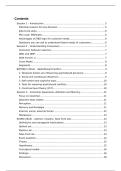
Contents
Session 1 – Introduction...................................................................................... 5
Potential reasons for less demand...................................................................5
Jobs-to-be-done................................................................................................ 6
Mini case: Milkshake......................................................................................... 6
Advantages of JTBD logic for customer needs..................................................6
Questions you can ask to understand latent needs of customers:...................6
Session 2 – Understanding Consumers................................................................7
Consumer behavior exercise:...........................................................................7
DMU and DMP.................................................................................................. 7
AIDA Funnel: \/.................................................................................................. 7
Cross Model...................................................................................................... 8
Segments......................................................................................................... 8
BITTERLY (2014) – Want/Should Conflict..............................................................9
1. Temporal factors are influencing want/should decisions:.............................9
2. Social and contextual influences:.................................................................9
3. Self-control and cognitive load:..................................................................10
4. Tools for resolving want/should conflicts:...................................................10
5. Construal level theory (CLT):......................................................................10
Session 3 – Consumer Awareness, Attention and Memory................................11
Focus on essential.......................................................................................... 11
Attention does matter.................................................................................... 11
Perception...................................................................................................... 11
Memory and Nostalgia................................................................................... 11
Internal, social, external forces:.....................................................................12
Takeaways:..................................................................................................... 13
ELSEN (2016) – Upfront, mystery, false front ads..............................................13
Definitions and managerial implications:.......................................................13
Upfront ad:..................................................................................................... 13
Mystery ad:.................................................................................................... 13
False front ad:................................................................................................ 14
Exam question:.............................................................................................. 14
Theory:........................................................................................................... 15
Hypotheses:................................................................................................... 15
Conceptual model:......................................................................................... 16
Findings:......................................................................................................... 16
Discussion:..................................................................................................... 18
,Session 4 – Consumer Research Refresher........................................................18
Research questions:....................................................................................... 18
Theory:........................................................................................................... 18
Theoretical framework:.................................................................................. 19
Effect:............................................................................................................. 19
Terminology for research (question):..............................................................19
Mediator......................................................................................................... 19
Moderator....................................................................................................... 19
Describing figures:......................................................................................... 20
VERHELLEN (2016) – Advertiser-funded program and viewer’s attitudes..........21
Theory:........................................................................................................... 21
Hypotheses:................................................................................................... 22
Conceptual model:......................................................................................... 23
Findings:......................................................................................................... 23
Managerial implications:................................................................................ 24
Session 5 – Consumer Choice............................................................................24
Choice mindset.............................................................................................. 25
Pros of large assortments............................................................................... 25
Compromise effect......................................................................................... 25
Paper: Diehl and Poynor 2010........................................................................26
Manipulation check / control question:...........................................................26
Reduce potential negative experiences of choice overload:..........................26
Construal level theory (CLT -> concrete vs abstract).....................................26
CLT and ad messaging:.................................................................................. 27
Takeaways:..................................................................................................... 27
CHERNEV (2015) – Choice overload..................................................................28
Choice set complexity:................................................................................... 28
Decision task difficulty:.................................................................................. 29
Preference uncertainty:.................................................................................. 29
Decision goal:................................................................................................. 30
Madan (2020) – Choice mindset........................................................................30
Choice mindset.............................................................................................. 30
Session 6 – Product Adoption / Midterm............................................................32
Albert Heijn:................................................................................................... 32
Session 7 – Price Promotions............................................................................. 33
Cost-plus pricing:........................................................................................... 33
Value-based pricing:....................................................................................... 33
ZOPA.............................................................................................................. 33
, Pros and Cons of pricing models....................................................................33
Mini case: Light bulbs..................................................................................... 34
Psychology of pricing..................................................................................... 34
Takeaways:..................................................................................................... 34
Shampanier (2007) – Zero as a special price....................................................34
Experiment 1: Survey..................................................................................... 35
Experiment 2: Real Purchases........................................................................36
What are possible explanations for the effect?..............................................36
Experiment 3: Testing for transactional cost effect........................................37
Why does this effect occur?........................................................................... 37
Experiment 4: Halloween............................................................................... 38
Experiment 5: Smilies.................................................................................... 38
Experiment 6: Forced Analysis.......................................................................38
Conclusion...................................................................................................... 38
Managerial Implications................................................................................. 39
Limitations..................................................................................................... 39
Palmeira (2013) – Free offer ≠ cheap product...................................................39
Price anchoring.............................................................................................. 39
Shifting price anchors.................................................................................... 39
Experiment 1.................................................................................................. 40
Experiment 2.................................................................................................. 40
Experiment 3.................................................................................................. 40
Conclusion...................................................................................................... 41
Session 8 – Influence and Persuasion................................................................42
Explicit vs implicit.......................................................................................... 42
Implicit association tasks (IAT).......................................................................42
Two routes to persuasion (central vs peripheral):...........................................42
Key differences:.............................................................................................. 42
Elaboration likelihood..................................................................................... 43
6 principles of persuasion.............................................................................. 43
Donations example:....................................................................................... 44
Influence is your superpower.........................................................................44
Levav (2010) – Physical contact on risk-taking..................................................44
Main Hypothesis:............................................................................................ 44
Conceptual model:......................................................................................... 44
Experiment 1:................................................................................................. 45
Experiment 2.................................................................................................. 45
Experiment 3.................................................................................................. 46
, Managerial implications:................................................................................ 47
McFerran (2010) – Body type and food choice..................................................47
Main Hypothesis:............................................................................................ 48
Experiment 1:................................................................................................. 48
Conceptual Model........................................................................................... 48
Session 9 – Marketing Ethics............................................................................. 49
What would you do as a manager of EpiPen?.................................................49
Consumers point of view:............................................................................... 50
Price gauging VS price discrimination:...........................................................50
Dynamic pricing............................................................................................. 50
Indirect discrimination.................................................................................... 51
Algorithmic Bias in Marketing:........................................................................51
Takeaways:..................................................................................................... 51
Session 10 – Customer Loyalty..........................................................................52
Definition of loyalty........................................................................................ 52
Attitudinal vs behavioral loyalty.....................................................................53
Spurious, Latent and True loyalty...................................................................53
Customer lifetime value................................................................................. 54
Why customers are more profitable over time:..............................................54
Criticisms of customer retention:...................................................................54
Takeaways:..................................................................................................... 54
Eelen (2017) – WOM vs eWOM..........................................................................55
Conceptualization........................................................................................... 55
Conceptual model:......................................................................................... 56
Hypotheses:................................................................................................... 56
Study 1:.......................................................................................................... 56
Results:.......................................................................................................... 57
Study 3:.......................................................................................................... 58
Managerial Implications:................................................................................ 59
Watson (2015) – Customer loyalty....................................................................59
Hypotheses:................................................................................................... 59
ß and significance.......................................................................................... 60
Conceptual Model:.......................................................................................... 60
Model 4 (slightly improved model fit):............................................................61
Session 11 – Consumer happiness....................................................................62
Definition of Happiness.................................................................................. 62
How would you measure happiness?.............................................................62
Do consumers know what makes them and others happy?...........................63
Session 1 – Introduction...................................................................................... 5
Potential reasons for less demand...................................................................5
Jobs-to-be-done................................................................................................ 6
Mini case: Milkshake......................................................................................... 6
Advantages of JTBD logic for customer needs..................................................6
Questions you can ask to understand latent needs of customers:...................6
Session 2 – Understanding Consumers................................................................7
Consumer behavior exercise:...........................................................................7
DMU and DMP.................................................................................................. 7
AIDA Funnel: \/.................................................................................................. 7
Cross Model...................................................................................................... 8
Segments......................................................................................................... 8
BITTERLY (2014) – Want/Should Conflict..............................................................9
1. Temporal factors are influencing want/should decisions:.............................9
2. Social and contextual influences:.................................................................9
3. Self-control and cognitive load:..................................................................10
4. Tools for resolving want/should conflicts:...................................................10
5. Construal level theory (CLT):......................................................................10
Session 3 – Consumer Awareness, Attention and Memory................................11
Focus on essential.......................................................................................... 11
Attention does matter.................................................................................... 11
Perception...................................................................................................... 11
Memory and Nostalgia................................................................................... 11
Internal, social, external forces:.....................................................................12
Takeaways:..................................................................................................... 13
ELSEN (2016) – Upfront, mystery, false front ads..............................................13
Definitions and managerial implications:.......................................................13
Upfront ad:..................................................................................................... 13
Mystery ad:.................................................................................................... 13
False front ad:................................................................................................ 14
Exam question:.............................................................................................. 14
Theory:........................................................................................................... 15
Hypotheses:................................................................................................... 15
Conceptual model:......................................................................................... 16
Findings:......................................................................................................... 16
Discussion:..................................................................................................... 18
,Session 4 – Consumer Research Refresher........................................................18
Research questions:....................................................................................... 18
Theory:........................................................................................................... 18
Theoretical framework:.................................................................................. 19
Effect:............................................................................................................. 19
Terminology for research (question):..............................................................19
Mediator......................................................................................................... 19
Moderator....................................................................................................... 19
Describing figures:......................................................................................... 20
VERHELLEN (2016) – Advertiser-funded program and viewer’s attitudes..........21
Theory:........................................................................................................... 21
Hypotheses:................................................................................................... 22
Conceptual model:......................................................................................... 23
Findings:......................................................................................................... 23
Managerial implications:................................................................................ 24
Session 5 – Consumer Choice............................................................................24
Choice mindset.............................................................................................. 25
Pros of large assortments............................................................................... 25
Compromise effect......................................................................................... 25
Paper: Diehl and Poynor 2010........................................................................26
Manipulation check / control question:...........................................................26
Reduce potential negative experiences of choice overload:..........................26
Construal level theory (CLT -> concrete vs abstract).....................................26
CLT and ad messaging:.................................................................................. 27
Takeaways:..................................................................................................... 27
CHERNEV (2015) – Choice overload..................................................................28
Choice set complexity:................................................................................... 28
Decision task difficulty:.................................................................................. 29
Preference uncertainty:.................................................................................. 29
Decision goal:................................................................................................. 30
Madan (2020) – Choice mindset........................................................................30
Choice mindset.............................................................................................. 30
Session 6 – Product Adoption / Midterm............................................................32
Albert Heijn:................................................................................................... 32
Session 7 – Price Promotions............................................................................. 33
Cost-plus pricing:........................................................................................... 33
Value-based pricing:....................................................................................... 33
ZOPA.............................................................................................................. 33
, Pros and Cons of pricing models....................................................................33
Mini case: Light bulbs..................................................................................... 34
Psychology of pricing..................................................................................... 34
Takeaways:..................................................................................................... 34
Shampanier (2007) – Zero as a special price....................................................34
Experiment 1: Survey..................................................................................... 35
Experiment 2: Real Purchases........................................................................36
What are possible explanations for the effect?..............................................36
Experiment 3: Testing for transactional cost effect........................................37
Why does this effect occur?........................................................................... 37
Experiment 4: Halloween............................................................................... 38
Experiment 5: Smilies.................................................................................... 38
Experiment 6: Forced Analysis.......................................................................38
Conclusion...................................................................................................... 38
Managerial Implications................................................................................. 39
Limitations..................................................................................................... 39
Palmeira (2013) – Free offer ≠ cheap product...................................................39
Price anchoring.............................................................................................. 39
Shifting price anchors.................................................................................... 39
Experiment 1.................................................................................................. 40
Experiment 2.................................................................................................. 40
Experiment 3.................................................................................................. 40
Conclusion...................................................................................................... 41
Session 8 – Influence and Persuasion................................................................42
Explicit vs implicit.......................................................................................... 42
Implicit association tasks (IAT).......................................................................42
Two routes to persuasion (central vs peripheral):...........................................42
Key differences:.............................................................................................. 42
Elaboration likelihood..................................................................................... 43
6 principles of persuasion.............................................................................. 43
Donations example:....................................................................................... 44
Influence is your superpower.........................................................................44
Levav (2010) – Physical contact on risk-taking..................................................44
Main Hypothesis:............................................................................................ 44
Conceptual model:......................................................................................... 44
Experiment 1:................................................................................................. 45
Experiment 2.................................................................................................. 45
Experiment 3.................................................................................................. 46
, Managerial implications:................................................................................ 47
McFerran (2010) – Body type and food choice..................................................47
Main Hypothesis:............................................................................................ 48
Experiment 1:................................................................................................. 48
Conceptual Model........................................................................................... 48
Session 9 – Marketing Ethics............................................................................. 49
What would you do as a manager of EpiPen?.................................................49
Consumers point of view:............................................................................... 50
Price gauging VS price discrimination:...........................................................50
Dynamic pricing............................................................................................. 50
Indirect discrimination.................................................................................... 51
Algorithmic Bias in Marketing:........................................................................51
Takeaways:..................................................................................................... 51
Session 10 – Customer Loyalty..........................................................................52
Definition of loyalty........................................................................................ 52
Attitudinal vs behavioral loyalty.....................................................................53
Spurious, Latent and True loyalty...................................................................53
Customer lifetime value................................................................................. 54
Why customers are more profitable over time:..............................................54
Criticisms of customer retention:...................................................................54
Takeaways:..................................................................................................... 54
Eelen (2017) – WOM vs eWOM..........................................................................55
Conceptualization........................................................................................... 55
Conceptual model:......................................................................................... 56
Hypotheses:................................................................................................... 56
Study 1:.......................................................................................................... 56
Results:.......................................................................................................... 57
Study 3:.......................................................................................................... 58
Managerial Implications:................................................................................ 59
Watson (2015) – Customer loyalty....................................................................59
Hypotheses:................................................................................................... 59
ß and significance.......................................................................................... 60
Conceptual Model:.......................................................................................... 60
Model 4 (slightly improved model fit):............................................................61
Session 11 – Consumer happiness....................................................................62
Definition of Happiness.................................................................................. 62
How would you measure happiness?.............................................................62
Do consumers know what makes them and others happy?...........................63