Week 1: Benson (2013) Summary of Chapter 1: An Overview of Life
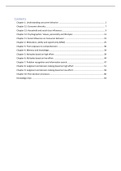
Course Theory and Research....................................................................5
Core Concepts and Principles................................................................6
Criminal Careers and Life Course Criminology......................................6
Key Theoretical Issues...........................................................................7
Research Designs and Studies...............................................................9
Contributions and Limitations................................................................9
Conclusion.............................................................................................9
Week 2: Summary: Laub & Sampson – Turning Points in the Life
Course: Why Change Matters to the Study of Crime...........................10
Introduction............................................................................................10
A Person-Based, Life-History Approach..................................................10
Key Concepts..........................................................................................10
1. Social Bonds and Informal Social Control........................................10
2. Turning Points..................................................................................11
3. Continuity and Change....................................................................11
4. Contextual Factors...........................................................................11
Illustrative Cases....................................................................................11
Conclusion..............................................................................................12
Summary: Terrie Moffitt – Adolescence-Limited and Life-Course-
Persistent Antisocial Behavior: A Developmental Taxonomy...............12
Introduction............................................................................................12
1. Age and Antisocial Behavior...............................................................13
2. Life-Course-Persistent (LCP) Offenders...............................................13
Definition.............................................................................................13
Origins.................................................................................................14
Maintenance & Elaboration..................................................................14
Psychopathology..................................................................................14
3. Adolescence-Limited (AL) Offenders...................................................14
Definition.............................................................................................14
Beginnings...........................................................................................15
Desistance...........................................................................................15
Not Pathological...................................................................................15
,4. Secular Change..................................................................................15
5. Implications for Research...................................................................16
Conclusion..............................................................................................16
Week 3: Summary of “The Crime Drop and the Security Hypothesis”. . .16
1. The Crime Drop Phenomenon..........................................................17
2. Why Other Explanations Don’t Fit....................................................17
3. The Security Hypothesis (Main Argument)......................................17
4. Case Study: Vehicle Theft................................................................18
5. Extending the Security Hypothesis..................................................18
6. Policy Lessons..................................................................................19
Summary of “Environmental Criminology”.............................................19
1. What is Environmental Criminology (EC)?.......................................19
2. Core Theories of EC.........................................................................20
a) Routine Activity Theory (RAT) – Cohen & Felson (1979)...............20
b) Crime Pattern Theory (CPT) – Brantingham & Brantingham.........21
c) Rational Choice Perspective (RCP)................................................21
3. Applications in Practice....................................................................21
4. Criticisms and Future Directions......................................................22
Week 4: Summary: “Does the intergenerational transmission of crime
depend on family complexity?”...........................................................23
Background and Objective...................................................................23
Methodology........................................................................................23
Key Findings........................................................................................24
1. Role of Stepfathers.......................................................................24
2. Independent Risk of Stepfathers...................................................24
3. Gender Differences.......................................................................25
Theoretical Implications.......................................................................25
Conclusion...........................................................................................25
Summary: Early Childhood Risk Factors for Exclusionary Discipline....26
Background and Significance..............................................................26
Theoretical Framework........................................................................26
Methodology........................................................................................27
Key Findings........................................................................................27
, 1. Direct Effects................................................................................27
2. Interaction Effects (Support for Moffitt)........................................27
Implications.........................................................................................28
Conclusion...........................................................................................28
Week 5:.....................................................................................................30
Summary: “Peers and Offender Decision-Making” (Hoeben & Thomas)
............................................................................................................30
1. Offender Decision-Making: Rational Choice and Human
Interdependence..................................................................................30
2. Peer Influence: Socialization and Situational Opportunity...............31
3. Mechanisms of Situational Peer Influence.......................................31
A. Passive Peer Influence: The Mere Presence Effect........................32
B. Active Peer Influence: Direct Involvement....................................32
4. Dual-Systems Processing and Peer Influence..................................33
5. Broader Theoretical Links................................................................33
6. Policy Implications...........................................................................34
In Summary.........................................................................................34
Summary: “Changing contexts: A quasi-experiment examining
adolescent delinquency and the transition to high school”....................34
1. Core Finding: Transition Reduces Delinquency................................35
2. Why Does Delinquency Decline? Mediating Mechanisms................35
a. Ties to Delinquent Peers — Differential Association Theory.........36
b. Unstructured Socializing — Routine Activities Theory..................36
c. School Bonding — Social Control Theory......................................36
3. The Role of Transition Structure: Single-Feeder vs. Multifeeder
Systems...............................................................................................36
4. Theoretical Integration and Implications.........................................37
a. Life-Course Criminology................................................................37
b. Differential Association & Routine Activities.................................37
c. Social Control Theory....................................................................38
5. Policy and Broader Implications.......................................................38
6. Methodological Contributions..........................................................38
7. Key Takeaways................................................................................39
Conclusion...........................................................................................39
, Week 6: “Value Orientations, Life Transitions, and Desistance: Assessing
Competing Perspectives”.......................................................................40
🧩 Overview.........................................................................................40
⚖️Competing Theories.........................................................................40
1. Laub & Sampson (2003, 2016) – Age-Graded Theory of Informal
Social Control....................................................................................40
2. Paternoster & Bushway (2009) – Identity Theory of Desistance...41
🧪 Study Design...................................................................................41
📈 Key Findings from Pathways Data..................................................41
1. Temporal Ordering – Which Comes First?.....................................41
2. Necessity – What Is Required for Desistance?..............................42
📊 Supplemental Findings: National Youth Survey (NYS)....................42
💡 Overall Conclusions........................................................................43
🧠 Policy and Practice Implications......................................................43
In Summary.........................................................................................43
Summary of Copp et al. (2019): Desistance from Crime during the
Transition to Adulthood – The Influence of Parents, Peers, and Shifts in
Identity...................................................................................................44
I. Core Theories and Explanatory Concepts of Desistance.....................44
1. Desistance from Crime....................................................................44
2. Traditional Life-Course Theory and Turning Points..........................44
3. Cognitive/Identity Theories of Desistance (e.g., Paternoster &
Bushway, 2009)...................................................................................45
II. Mechanisms and Measures of Change................................................45
1. Internal Identity Measures (Cognitive Processes)............................45
2. Social Network Influences................................................................46
3. Structural and Life-Course Transitions (Traditional Predictors).......46
4. Family Background Concepts..........................................................47
III. Developmental and Methodological Concepts...................................47
1. Developmental Periods....................................................................47
2. Methodology and Measurement......................................................47
IV. Key Findings......................................................................................48
V. Conclusions and Implications.............................................................49
Policy Implications...............................................................................49
Course Theory and Research....................................................................5
Core Concepts and Principles................................................................6
Criminal Careers and Life Course Criminology......................................6
Key Theoretical Issues...........................................................................7
Research Designs and Studies...............................................................9
Contributions and Limitations................................................................9
Conclusion.............................................................................................9
Week 2: Summary: Laub & Sampson – Turning Points in the Life
Course: Why Change Matters to the Study of Crime...........................10
Introduction............................................................................................10
A Person-Based, Life-History Approach..................................................10
Key Concepts..........................................................................................10
1. Social Bonds and Informal Social Control........................................10
2. Turning Points..................................................................................11
3. Continuity and Change....................................................................11
4. Contextual Factors...........................................................................11
Illustrative Cases....................................................................................11
Conclusion..............................................................................................12
Summary: Terrie Moffitt – Adolescence-Limited and Life-Course-
Persistent Antisocial Behavior: A Developmental Taxonomy...............12
Introduction............................................................................................12
1. Age and Antisocial Behavior...............................................................13
2. Life-Course-Persistent (LCP) Offenders...............................................13
Definition.............................................................................................13
Origins.................................................................................................14
Maintenance & Elaboration..................................................................14
Psychopathology..................................................................................14
3. Adolescence-Limited (AL) Offenders...................................................14
Definition.............................................................................................14
Beginnings...........................................................................................15
Desistance...........................................................................................15
Not Pathological...................................................................................15
,4. Secular Change..................................................................................15
5. Implications for Research...................................................................16
Conclusion..............................................................................................16
Week 3: Summary of “The Crime Drop and the Security Hypothesis”. . .16
1. The Crime Drop Phenomenon..........................................................17
2. Why Other Explanations Don’t Fit....................................................17
3. The Security Hypothesis (Main Argument)......................................17
4. Case Study: Vehicle Theft................................................................18
5. Extending the Security Hypothesis..................................................18
6. Policy Lessons..................................................................................19
Summary of “Environmental Criminology”.............................................19
1. What is Environmental Criminology (EC)?.......................................19
2. Core Theories of EC.........................................................................20
a) Routine Activity Theory (RAT) – Cohen & Felson (1979)...............20
b) Crime Pattern Theory (CPT) – Brantingham & Brantingham.........21
c) Rational Choice Perspective (RCP)................................................21
3. Applications in Practice....................................................................21
4. Criticisms and Future Directions......................................................22
Week 4: Summary: “Does the intergenerational transmission of crime
depend on family complexity?”...........................................................23
Background and Objective...................................................................23
Methodology........................................................................................23
Key Findings........................................................................................24
1. Role of Stepfathers.......................................................................24
2. Independent Risk of Stepfathers...................................................24
3. Gender Differences.......................................................................25
Theoretical Implications.......................................................................25
Conclusion...........................................................................................25
Summary: Early Childhood Risk Factors for Exclusionary Discipline....26
Background and Significance..............................................................26
Theoretical Framework........................................................................26
Methodology........................................................................................27
Key Findings........................................................................................27
, 1. Direct Effects................................................................................27
2. Interaction Effects (Support for Moffitt)........................................27
Implications.........................................................................................28
Conclusion...........................................................................................28
Week 5:.....................................................................................................30
Summary: “Peers and Offender Decision-Making” (Hoeben & Thomas)
............................................................................................................30
1. Offender Decision-Making: Rational Choice and Human
Interdependence..................................................................................30
2. Peer Influence: Socialization and Situational Opportunity...............31
3. Mechanisms of Situational Peer Influence.......................................31
A. Passive Peer Influence: The Mere Presence Effect........................32
B. Active Peer Influence: Direct Involvement....................................32
4. Dual-Systems Processing and Peer Influence..................................33
5. Broader Theoretical Links................................................................33
6. Policy Implications...........................................................................34
In Summary.........................................................................................34
Summary: “Changing contexts: A quasi-experiment examining
adolescent delinquency and the transition to high school”....................34
1. Core Finding: Transition Reduces Delinquency................................35
2. Why Does Delinquency Decline? Mediating Mechanisms................35
a. Ties to Delinquent Peers — Differential Association Theory.........36
b. Unstructured Socializing — Routine Activities Theory..................36
c. School Bonding — Social Control Theory......................................36
3. The Role of Transition Structure: Single-Feeder vs. Multifeeder
Systems...............................................................................................36
4. Theoretical Integration and Implications.........................................37
a. Life-Course Criminology................................................................37
b. Differential Association & Routine Activities.................................37
c. Social Control Theory....................................................................38
5. Policy and Broader Implications.......................................................38
6. Methodological Contributions..........................................................38
7. Key Takeaways................................................................................39
Conclusion...........................................................................................39
, Week 6: “Value Orientations, Life Transitions, and Desistance: Assessing
Competing Perspectives”.......................................................................40
🧩 Overview.........................................................................................40
⚖️Competing Theories.........................................................................40
1. Laub & Sampson (2003, 2016) – Age-Graded Theory of Informal
Social Control....................................................................................40
2. Paternoster & Bushway (2009) – Identity Theory of Desistance...41
🧪 Study Design...................................................................................41
📈 Key Findings from Pathways Data..................................................41
1. Temporal Ordering – Which Comes First?.....................................41
2. Necessity – What Is Required for Desistance?..............................42
📊 Supplemental Findings: National Youth Survey (NYS)....................42
💡 Overall Conclusions........................................................................43
🧠 Policy and Practice Implications......................................................43
In Summary.........................................................................................43
Summary of Copp et al. (2019): Desistance from Crime during the
Transition to Adulthood – The Influence of Parents, Peers, and Shifts in
Identity...................................................................................................44
I. Core Theories and Explanatory Concepts of Desistance.....................44
1. Desistance from Crime....................................................................44
2. Traditional Life-Course Theory and Turning Points..........................44
3. Cognitive/Identity Theories of Desistance (e.g., Paternoster &
Bushway, 2009)...................................................................................45
II. Mechanisms and Measures of Change................................................45
1. Internal Identity Measures (Cognitive Processes)............................45
2. Social Network Influences................................................................46
3. Structural and Life-Course Transitions (Traditional Predictors).......46
4. Family Background Concepts..........................................................47
III. Developmental and Methodological Concepts...................................47
1. Developmental Periods....................................................................47
2. Methodology and Measurement......................................................47
IV. Key Findings......................................................................................48
V. Conclusions and Implications.............................................................49
Policy Implications...............................................................................49