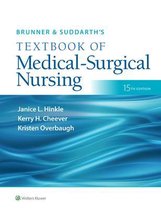
Brunner & Suddarth's Textbook of Medical-Surgical
Nursing
15th Edition
• Author(s)Janice Hinkle, Kerry H. Cheever, Kristen
Overbaugh
TEST BANK
(Brunner & Suddarth’s Textbook of Medical-Surgical Nursing — ).
UNIT 1
UNIT 1: Principles of Nursing Practice
Chapter 1: Professional Nursing Practice
Chapter 2: Medical-Surgical Nursing
Chapter 3: Health Education and Health Promotion
Chapter 4: Adult Health and Physical, Nutritional, and Cultural Assessment
Chapter 5: Stress and Inflammatory Responses
Chapter 6: Genetics and Genomics in Nursing
Chapter 7: Disability and Chronic Illness
Chapter 8: Management of the Older Adult Patient
UNIT 2: Concepts and Principles of Patient Management
Chapter 9: Pain Management
Chapter 10: Fluid and Electrolytes
Chapter 11: Shock, Sepsis, and Multiple Organ Dysfunction Syndrome
Chapter 12: Management of Patients with Oncologic Disorders
Chapter 13: Palliative and End-of-Life Care
UNIT 3: Perioperative Concepts and Nursing Management
Chapter 14: Preoperative Nursing Management
Chapter 15: Intraoperative Nursing Management
Chapter 16: Postoperative Nursing Management
UNIT 4: Gas Exchange and Respiratory Function
Chapter 17: Assessment of Respiratory Function
Chapter 18: Management of Patients with Upper Respiratory Tract Disorders
Chapter 19: Management of Patients with Chest and Lower Respiratory Tract Disorders
Chapter 20: Management of Patients with Chronic Pulmonary Disease
UNIT 5: Cardiovascular and Circulatory Function
Chapter 21: Assessment of Cardiovascular Function
Chapter 22: Management of Patients with Arrhythmias and Conduction Problems
Chapter 23: Management of Patients with Coronary Vascular Disorders
Chapter 24: Management of Patients with Structural, Infectious, and Inflammatory Cardiac Disorders
,Chapter 25: Management of Patients with Complications from Heart Disease
Chapter 26: Assessment and Management of Patients with Vascular Disorders and Problems of Peripheral
Circulation
Chapter 27: Assessment and Management of Patients with Hypertension
UNIT 6: Hematologic Function
Chapter 28: Assessment of Hematologic Function and Treatment Modalities
Chapter 29: Management of Patients with Nonmalignant Hematologic Disorders
Chapter 30: Management of Patients with Hematologic Neoplasms
UNIT 7: Immunologic Function
Chapter 31: Assessment of Immune Function
Chapter 32: Management of Patients with Immune Deficiency Disorders
Chapter 33: Assessment and Management of Patients with Allergic Disorders
Chapter 34: Assessment and Management of Patients with Inflammatory Rheumatic Disorders
UNIT 8: Musculoskeletal Function
Chapter 35: Assessment of Musculoskeletal Function
Chapter 36: Management of Patients with Musculoskeletal Disorders
Chapter 37: Management of Patients with Musculoskeletal Trauma
UNIT 9: Digestive and Gastrointestinal Function
Chapter 38: Assessment of Digestive and Gastrointestinal Function
Chapter 39: Management of Patients with Oral and Esophageal Disorders
Chapter 40: Management of Patients with Gastric and Duodenal Disorders
Chapter 41: Management of Patients with Intestinal and Rectal Disorders
UNIT 10: Metabolic and Endocrine Function
Chapter 42: Assessment and Management of Patients with Obesity
Chapter 43: Assessment and Management of Patients with Hepatic Disorders
Chapter 44: Management of Patients with Biliary Disorders
Chapter 45: Assessment and Management of Patients with Endocrine Disorders
Chapter 46: Management of Patients with Diabetes
UNIT 11: Kidney and Urinary Tract Function
Chapter 47: Assessment of Kidney and Urinary Function
Chapter 48: Management of Patients with Kidney Disorders
Chapter 49: Management of Patients with Urinary Disorders
UNIT 12: Reproductive Function
Chapter 50: Assessment and Management of Patients with Female Physiologic Processes
Chapter 51: Management of Patients with Female Reproductive Disorders
Chapter 52: Assessment and Management of Patients with Breast Disorders
Chapter 53: Assessment and Management of Patients with Male Reproductive Disorders
Chapter 54: Assessment and Management of Patients Who Are LGBTQ
UNIT 13: Integumentary Function
Chapter 55: Assessment of Integumentary Function
Chapter 56: Management of Patients with Dermatologic Disorders
Chapter 57: Management of Patients with Burn Injury
,UNIT 14: Sensory Function
Chapter 58: Assessment and Management of Patients with Eye and Vision Disorders
Chapter 59: Assessment and Management of Patients with Hearing and Balance Disorders
UNIT 15: Neurologic Function
Chapter 60: Assessment of Neurologic Function
Chapter 61: Management of Patients with Neurologic Dysfunction
Chapter 62: Management of Patients with Cerebrovascular Disorders
Chapter 63: Management of Patients with Neurologic Trauma
Chapter 64: Management of Patients with Neurologic Infections, Autoimmune Disorders, and Neuropathies
Chapter 65: Management of Patients with Oncologic or Degenerative Neurologic Disorders
UNIT 16: Acute Community-Based Challenges
Chapter 66: Management of Patients with Infectious Diseases
Chapter 67: Emergency Nursing
Chapter 68: Disaster Nursing
1.
Reference: Ch. 1 – Professional Nursing Practice: Nursing
Question Stem: A newly licensed nurse is preparing an
orientation presentation on the professional role of nursing.
Which statement best reflects the modern definition of nursing
in medical-surgical practice?
A. Nursing primarily focuses on carrying out physician orders
and treatments.
B. Nursing is a discipline that promotes, maintains, and restores
health through patient-centered care.
C. Nursing is mainly responsible for custodial care of patients in
hospitals.
D. Nursing is the exclusive administration of medications and
procedures.
Correct Answer: B
Rationale:
B: Brunner & Suddarth define nursing as a discipline focused on
, health promotion, prevention, restoration, and patient-
centered care—not merely task completion.
A: Overemphasizes task performance; nursing includes
independent judgment and advocacy.
C: Custodial care is outdated and omits the holistic and
evidence-based aspects of modern nursing.
D: Medication administration is one role, but nursing
encompasses assessment, education, and coordination.
Teaching Point: Nursing is holistic, evidence-based, and focused
on promoting and restoring health.
Citation: Brunner & Suddarth’s Textbook of Medical-Surgical
Nursing, 15th Ed., Hinkle et al.
2.
Reference: Ch. 1 – Professional Nursing Practice: The Patient:
Consumer of Nursing and Health Care
Question Stem: A nurse manager is redesigning admission
teaching to meet consumer expectations. Which action best
reflects patient-centered consumerism in health care?
A. Providing standardized teaching packets to every patient on
admission.
B. Assessing a patient’s learning preferences and tailoring
education accordingly.
C. Requiring patients to attend a hospital-led seminar regardless
of need.
D. Delivering all education only at discharge to save staff time.
Nursing
15th Edition
• Author(s)Janice Hinkle, Kerry H. Cheever, Kristen
Overbaugh
TEST BANK
(Brunner & Suddarth’s Textbook of Medical-Surgical Nursing — ).
UNIT 1
UNIT 1: Principles of Nursing Practice
Chapter 1: Professional Nursing Practice
Chapter 2: Medical-Surgical Nursing
Chapter 3: Health Education and Health Promotion
Chapter 4: Adult Health and Physical, Nutritional, and Cultural Assessment
Chapter 5: Stress and Inflammatory Responses
Chapter 6: Genetics and Genomics in Nursing
Chapter 7: Disability and Chronic Illness
Chapter 8: Management of the Older Adult Patient
UNIT 2: Concepts and Principles of Patient Management
Chapter 9: Pain Management
Chapter 10: Fluid and Electrolytes
Chapter 11: Shock, Sepsis, and Multiple Organ Dysfunction Syndrome
Chapter 12: Management of Patients with Oncologic Disorders
Chapter 13: Palliative and End-of-Life Care
UNIT 3: Perioperative Concepts and Nursing Management
Chapter 14: Preoperative Nursing Management
Chapter 15: Intraoperative Nursing Management
Chapter 16: Postoperative Nursing Management
UNIT 4: Gas Exchange and Respiratory Function
Chapter 17: Assessment of Respiratory Function
Chapter 18: Management of Patients with Upper Respiratory Tract Disorders
Chapter 19: Management of Patients with Chest and Lower Respiratory Tract Disorders
Chapter 20: Management of Patients with Chronic Pulmonary Disease
UNIT 5: Cardiovascular and Circulatory Function
Chapter 21: Assessment of Cardiovascular Function
Chapter 22: Management of Patients with Arrhythmias and Conduction Problems
Chapter 23: Management of Patients with Coronary Vascular Disorders
Chapter 24: Management of Patients with Structural, Infectious, and Inflammatory Cardiac Disorders
,Chapter 25: Management of Patients with Complications from Heart Disease
Chapter 26: Assessment and Management of Patients with Vascular Disorders and Problems of Peripheral
Circulation
Chapter 27: Assessment and Management of Patients with Hypertension
UNIT 6: Hematologic Function
Chapter 28: Assessment of Hematologic Function and Treatment Modalities
Chapter 29: Management of Patients with Nonmalignant Hematologic Disorders
Chapter 30: Management of Patients with Hematologic Neoplasms
UNIT 7: Immunologic Function
Chapter 31: Assessment of Immune Function
Chapter 32: Management of Patients with Immune Deficiency Disorders
Chapter 33: Assessment and Management of Patients with Allergic Disorders
Chapter 34: Assessment and Management of Patients with Inflammatory Rheumatic Disorders
UNIT 8: Musculoskeletal Function
Chapter 35: Assessment of Musculoskeletal Function
Chapter 36: Management of Patients with Musculoskeletal Disorders
Chapter 37: Management of Patients with Musculoskeletal Trauma
UNIT 9: Digestive and Gastrointestinal Function
Chapter 38: Assessment of Digestive and Gastrointestinal Function
Chapter 39: Management of Patients with Oral and Esophageal Disorders
Chapter 40: Management of Patients with Gastric and Duodenal Disorders
Chapter 41: Management of Patients with Intestinal and Rectal Disorders
UNIT 10: Metabolic and Endocrine Function
Chapter 42: Assessment and Management of Patients with Obesity
Chapter 43: Assessment and Management of Patients with Hepatic Disorders
Chapter 44: Management of Patients with Biliary Disorders
Chapter 45: Assessment and Management of Patients with Endocrine Disorders
Chapter 46: Management of Patients with Diabetes
UNIT 11: Kidney and Urinary Tract Function
Chapter 47: Assessment of Kidney and Urinary Function
Chapter 48: Management of Patients with Kidney Disorders
Chapter 49: Management of Patients with Urinary Disorders
UNIT 12: Reproductive Function
Chapter 50: Assessment and Management of Patients with Female Physiologic Processes
Chapter 51: Management of Patients with Female Reproductive Disorders
Chapter 52: Assessment and Management of Patients with Breast Disorders
Chapter 53: Assessment and Management of Patients with Male Reproductive Disorders
Chapter 54: Assessment and Management of Patients Who Are LGBTQ
UNIT 13: Integumentary Function
Chapter 55: Assessment of Integumentary Function
Chapter 56: Management of Patients with Dermatologic Disorders
Chapter 57: Management of Patients with Burn Injury
,UNIT 14: Sensory Function
Chapter 58: Assessment and Management of Patients with Eye and Vision Disorders
Chapter 59: Assessment and Management of Patients with Hearing and Balance Disorders
UNIT 15: Neurologic Function
Chapter 60: Assessment of Neurologic Function
Chapter 61: Management of Patients with Neurologic Dysfunction
Chapter 62: Management of Patients with Cerebrovascular Disorders
Chapter 63: Management of Patients with Neurologic Trauma
Chapter 64: Management of Patients with Neurologic Infections, Autoimmune Disorders, and Neuropathies
Chapter 65: Management of Patients with Oncologic or Degenerative Neurologic Disorders
UNIT 16: Acute Community-Based Challenges
Chapter 66: Management of Patients with Infectious Diseases
Chapter 67: Emergency Nursing
Chapter 68: Disaster Nursing
1.
Reference: Ch. 1 – Professional Nursing Practice: Nursing
Question Stem: A newly licensed nurse is preparing an
orientation presentation on the professional role of nursing.
Which statement best reflects the modern definition of nursing
in medical-surgical practice?
A. Nursing primarily focuses on carrying out physician orders
and treatments.
B. Nursing is a discipline that promotes, maintains, and restores
health through patient-centered care.
C. Nursing is mainly responsible for custodial care of patients in
hospitals.
D. Nursing is the exclusive administration of medications and
procedures.
Correct Answer: B
Rationale:
B: Brunner & Suddarth define nursing as a discipline focused on
, health promotion, prevention, restoration, and patient-
centered care—not merely task completion.
A: Overemphasizes task performance; nursing includes
independent judgment and advocacy.
C: Custodial care is outdated and omits the holistic and
evidence-based aspects of modern nursing.
D: Medication administration is one role, but nursing
encompasses assessment, education, and coordination.
Teaching Point: Nursing is holistic, evidence-based, and focused
on promoting and restoring health.
Citation: Brunner & Suddarth’s Textbook of Medical-Surgical
Nursing, 15th Ed., Hinkle et al.
2.
Reference: Ch. 1 – Professional Nursing Practice: The Patient:
Consumer of Nursing and Health Care
Question Stem: A nurse manager is redesigning admission
teaching to meet consumer expectations. Which action best
reflects patient-centered consumerism in health care?
A. Providing standardized teaching packets to every patient on
admission.
B. Assessing a patient’s learning preferences and tailoring
education accordingly.
C. Requiring patients to attend a hospital-led seminar regardless
of need.
D. Delivering all education only at discharge to save staff time.