

100% de satisfacción garantizada Inmediatamente disponible después del pago Tanto en línea como en PDF No estas atado a nada 4.2 TrustPilot
logo-home
Examen

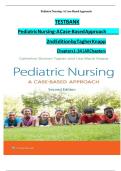
***INSTANT DOWNLOAD***TEST BANK Pediatric Nursing- A Case-Based Approach 2nd Edition by Tagher Knapp Chapters 1 - 34 | All Chapters

Puntuación
-
Vendido
-
Páginas
48
Grado
A+
Subido en
30-09-2025
Escrito en
2025/2026

***INSTANT DOWNLOAD***TEST BANK Pediatric Nursing- A Case-Based Approach 2nd Edition by Tagher Knapp Chapters 1 - 34 | All ChaptersPediatric Nursing: A Case-Based Approach 2nd Edition by Catherine Gannon Tagher test bank Stuvia Is Available For Download After Purchase. In Case You Encounter Any Difficulties Downloading Test Bank for Pediatric Nursing Tagher, Please Feel Free To Reach Out To Me. I Will Promptly Send It To You Through Google Doc or Email. Thank You. Test Bank for Pediatric Nursing: A Case-Based Approach, 2nd Edition by Tagher is your ultimate study aid. This comprehensive Test Bank Pediatric Nursing resource is designed to enhance your learning and exam preparation. It includes a wide range of pediatric nursing exam prep materials and detailed case-based questions. With this Tagher Pediatric Nursing Test Bank, you get access to practice questions that simulate real exams. The pediatric nursing test bank second edition covers all chapters thoroughly, ensuring you grasp every concept. The test bank for pediatric nursing features various question types to test your knowledge effectively. This study guide is ideal for anyone looking to excel in pediatric nursing exams. Use the pediatric nursing case studies test bank to deepen your understanding and improve your critical thinking skills. Whether you are preparing for exams or looking to reinforce your learning, this Pediatric Nursing Test Bank 2024 is an essential tool for success. Maximize your study sessions with the pediatric nursing study guide 2nd edition and confidently tackle any pediatric nursing questions and answers. 1. A nurse is providing care for a 4-month-old infant at the pediatric clinic. During the assessment the nurse should expect that the infant has reached which developmental milestone(s)? Select all that apply. A. Uses pincer grasp to pick up items B. Can roll over from front onto back C. Pulls self up to a standing position D. Recognizes family members' faces E. Pushes self up on arms from a prone position F. Sits with support ANS: B, D, E, F Rationale: At 4 months of age, an infant is able to roll over from prone to supine position, push the head/chest up on arms from a prone position, sit with support and recognize the faces of close family members. The use of the pincer grasp and the ability to pull self up to a standing position are expected at 10 months of age. PTS: 1 REF: p. 4 OBJ: 1 NAT: Client Needs: Health Promotion and Maintenance TOP: Chapter 1: Chip Green: Bronchiolitis BLM: Cognitive Level: Understand 2. A nurse is assessing a 3-month-old infant during a pediatric clinic visit. The nurse believes the infant is demonstrating early manifestations of respiratory distress. Which clinical manifestation(s) should the nurse document? Select all that apply. A. Bradycardia B. Acrocyanosis C. Intercostal retractions D. Nasal congestion E. Tachypnea ANS: D, E Rationale: Early signs of respiratory distress in an infant include fussiness, nasal congestion, tachypnea and no interest in feeding. Intercostal retractions are signs of moderate distress; bradycardia can be seen with severe respiratory distress. Acrocyanosis, in and of itself, is not a sign of respiratory distress as it can be caused by poor circulation and cold extremities. PTS: 1 REF: p. 8 OBJ: 4 NAT: Client Needs: Physiological Integrity: Physiological Adaptation TOP: Chapter 1: Chip Green: Bronchiolitis BLM: Cognitive Level: Apply 3. A nurse is caring for an infant newly admitted for suspected bronchiolitis. The infant's parent is very upset and statesPediatric Nursing: A Case-Based Approach 2nd Edition by Catherine Gannon Tagher test bank Stuvia Is Available For Download After Purchase. In Case You Encounter Any Difficulties Downloading Test Bank for Pediatric Nursing Tagher, Please Feel Free To Reach Out To Me. I Will Promptly Send It To You Through Google Doc or Email. Thank You. Test Bank for Pediatric Nursing: A Case-Based Approach, 2nd Edition by Tagher is your ultimate study aid. This comprehensive Test Bank Pediatric Nursing resource is designed to enhance your learning and exam preparation. It includes a wide range of pediatric nursing exam prep materials and detailed case-based questions. With this Tagher Pediatric Nursing Test Bank, you get access to practice questions that simulate real exams. The pediatric nursing test bank second edition covers all chapters thoroughly, ensuring you grasp every concept. The test bank for pediatric nursing features various question types to test your knowledge effectively. This study guide is ideal for anyone looking to excel in pediatric nursing exams. Use the pediatric nursing case studies test bank to deepen your understanding and improve your critical thinking skills. Whether you are preparing for exams or looking to reinforce your learning, this Pediatric Nursing Test Bank 2024 is an essential tool for success. Maximize your study sessions with the pediatric nursing study guide 2nd edition and confidently tackle any pediatric nursing questions and answers. 1. A nurse is providing care for a 4-month-old infant at the pediatric clinic. During the assessment the nurse should expect that the infant has reached which developmental milestone(s)? Select all that apply. A. Uses pincer grasp to pick up items B. Can roll over from front onto back C. Pulls self up to a standing position D. Recognizes family members' faces E. Pushes self up on arms from a prone position F. Sits with support ANS: B, D, E, F Rationale: At 4 months of age, an infant is able to roll over from prone to supine position, push the head/chest up on arms from a prone position, sit with support and recognize the faces of close family members. The use of the pincer grasp and the ability to pull self up to a standing position are expected at 10 months of age. PTS: 1 REF: p. 4 OBJ: 1 NAT: Client Needs: Health Promotion and Maintenance TOP: Chapter 1: Chip Green: Bronchiolitis BLM: Cognitive Level: Understand 2. A nurse is assessing a 3-month-old infant during a pediatric clinic visit. The nurse believes the infant is demonstrating early manifestations of respiratory distress. Which clinical manifestation(s) should the nurse document? Select all that apply. A. Bradycardia B. Acrocyanosis C. Intercostal retractions D. Nasal congestion E. Tachypnea ANS: D, E Rationale: Early signs of respiratory distress in an infant include fussiness, nasal congestion, tachypnea and no interest in feeding. Intercostal retractions are signs of moderate distress; bradycardia can be seen with severe respiratory distress. Acrocyanosis, in and of itself, is not a sign of respiratory distress as it can be caused by poor circulation and cold extremities. PTS: 1 REF: p. 8 OBJ: 4 NAT: Client Needs: Physiological Integrity: Physiological Adaptation TOP: Chapter 1: Chip Green: Bronchiolitis BLM: Cognitive Level: Apply 3. A nurse is caring for an infant newly admitted for suspected bronchiolitis. The infant's parent is very upset and states

Mostrar más Leer menos
Institución
Pediatric Nursing A Case-Based Approach 2nd Editio
Grado
Pediatric Nursing A Case-Based Approach 2nd editio


Ups! No podemos cargar tu documento ahora. Inténtalo de nuevo o contacta con soporte.

Libro relacionado

Escuela, estudio y materia

Institución
Pediatric Nursing A Case-Based Approach 2nd editio
Grado
Pediatric Nursing A Case-Based Approach 2nd editio

Información del documento

Subido en
30 de septiembre de 2025
Número de páginas
48
Escrito en
2025/2026
Tipo
Examen
Contiene
Preguntas y respuestas

Temas

Vista previa del contenido

Pediatric Nursing- A Case-Based Approach
b b b b


TESTBANK b


Pediatric Nursing- A Case-Based Approach
b b b b b


b 2nd Edition by Tagher Knapp
b b b b


Chapters1 -34 |AllChapters
b b b b b b

,Pediatric Nursing- A Case-Based Approach
b b b b

, Pediatric Nursing- A Case-Based Approach b b b b


Chapter 1: Bronchiolitis b b


1. Which intervention is appropriate for the infant hospitalized with bronchiolitis?
b b b b b b b b b


a. Position on the side with neck slightlyflexed. b b b b b b b


b. Administer antibiotics as ordered. b b b


c. Restrict oral and parenteral fluids if tachypneic.
b b b b b b


d. Givecool,humidifiedoxygen. b b b


ANSWER: D
b b


Cool, humidified oxygen is given to relieve dyspnea, hypoxemia, and insensible fluid loss from
b b b b b b b b b b b b b


btachypnea. The infant should be positioned with the head and chest elevated at a 30- to 40-degree
b b b b b b b b b b b b b b b b


bangle and the neck slightly extended to maintain an open airway and decrease pressure on the
b b b b b b b b b b b b b b b


bdiaphragm. The etiology of bronchiolitis is viral. Antibiotics are given only if there is a secondary
b b b b b b b b b b b b b b b


bacterial infection. Tachypnea increases insensible fluid loss. If the infant is tachypneic, fluids are
b b b b b b b b b b b b b b


given parenterally to prevent dehydration.
b b b b b


2. An infant with bronchiolitis is hospitalized. The causative organism is respiratory syncytial
b b b b b b b b b b b


bvirus (RSV). The nurse knows that a child infected with this virus requires what type of
b b b b b b b b b b b b b b b


isolation?
b


a. Reverse isolation b


b. Airborne isolation b


c. Contact Precautions b


d. Standard
Precautions ANSWER: C
b b b


RSV is transmitted through droplets. In addition to Standard Precautions and hand washing,
b b b b b b b b b b b b


b Contact Precautions are required. Caregivers must use gloves and gowns when entering the
b b b b b b b b b b b b


b room. Care is taken not to touch their own eyes or mucous membranes with a contaminated
b b b b b b b b b b b b b b b


bgloved hand. Children are placed in a private room or in a room with other children with RSV
b b b b b b b b b b b b b b b b b


binfections. Reverse isolation focuses on keeping bacteria awayfrom the infant. With RSV, other
b b b b b b b b b b b b b


bchildren need to be protected from exposure to the virus. The virus is not airborne.
b b b b b b b b b b b b b b


3. A child has a chronic cough and diffuse wheezing during the expiratory phase of respiration.
b b b b b b b b b b b b b b


bThis suggests what condition?
b b b


a. Asthma
b. Pneumonia
c. Bronchiolitis
d. Foreignbodyintrachea b b b

, Pediatric Nursing- A Case-Based Approach
b b b b


ANSWER: A
b b


Asthma mayhave these chronic signs and symptoms. Pneumonia appears with an acute onset,
b b b b b b b b b b b b b


bfever, and general malaise. Bronchiolitis is an acute condition caused byrespiratory syncytial
b b b b b b b b b b b b

$17.49
Accede al documento completo:

100% de satisfacción garantizada
Inmediatamente disponible después del pago
Tanto en línea como en PDF
No estas atado a nada

Conoce al vendedor
Seller avatar
LECTJOE

Conoce al vendedor

Seller avatar
LECTJOE Chamberlain College Of Nursing
Seguir Necesitas iniciar sesión para seguir a otros usuarios o asignaturas
Vendido
1
Miembro desde
2 meses
Número de seguidores
1
Documentos
504
Última venta
1 mes hace
PASSTIPS EXCELLENCE CALIBRE.....

Success is no accident. Pele said, " Success is hardwork, perseverance, learning, studying, sacrifice and most of all, love of what you're doing" . I'm here to help you navigate the ship of success in the best way possible in most fields as I possibly can. Don't fail to check out my store and recommend it to a friend. Buy with no doubt and make the cut in those exams. Don't forget to leave a review in order for other buyers to feel at ease when

Lee mas Leer menos
0.0

0 reseñas

5
0
4
0
3
0
2
0
1
0

Recientemente visto por ti

Por qué los estudiantes eligen Stuvia

Creado por compañeros estudiantes, verificado por reseñas

Calidad en la que puedes confiar: escrito por estudiantes que aprobaron y evaluado por otros que han usado estos resúmenes.

¿No estás satisfecho? Elige otro documento

¡No te preocupes! Puedes elegir directamente otro documento que se ajuste mejor a lo que buscas.

Paga como quieras, empieza a estudiar al instante

Sin suscripción, sin compromisos. Paga como estés acostumbrado con tarjeta de crédito y descarga tu documento PDF inmediatamente.

Student with book image

“Comprado, descargado y aprobado. Así de fácil puede ser.”

Alisha Student

Preguntas frecuentes
