International Brand Management Lectures
Contents
International Brand Management Lectures............................................................................................1
Lecture 1: Introduction.......................................................................................................................2
Lecture 2: CBBE – EBBE.......................................................................................................................4
Article: Keller (1993): “Conceptualizing, Measuring and Managing Customer-Based Brand
Equity”............................................................................................................................................9
Article: Plessis et al (2024): “Continuous Trinity Model Linking Brand Associations to Learning
Processes”.....................................................................................................................................12
Lecture 3: Positioning.......................................................................................................................14
Brand positioning..........................................................................................................................14
Brand elements.............................................................................................................................17
Conclusion lecture........................................................................................................................19
Article Thompson et al (2006): “Emotional Branding and the Strategic Value of the
Doppelgänger Brand Image” (Brand Positioning).........................................................................20
Article: Pogacar et al (2021): “Is Nestlé a Lady? The Feminine Brand Name Advantage” (Brand
Elements)......................................................................................................................................21
Lecture 4: presentations...................................................................................................................22
Article: Tavassoli et al (2014): “Employee-Based Brand Equity: Why Firms with Strong Brands Pay
Their Executives Less”...................................................................................................................23
Lecture 5: Responsible Consumer-Brand Relationships....................................................................25
Article Aaker er al (2004): “When Good Brands Do Good”...........................................................29
Article Vredenburg et al (2020): “Brands Taking a Stand: Authentic Brand Activism or Woke
Washing”......................................................................................................................................32
Lecture 6: open office branding project............................................................................................35
Lecture 7: Marketing Programs (Guest lecture not anymore)...........................................................35
Lecture 8: Measuring BE (know methods of articles).......................................................................41
Article John et al (2006) Teacher explanation...............................................................................44
John et al (2006) VS Gensler et al (2016)......................................................................................44
Article Gensler et al (2016) teacher explanation...........................................................................44
Article John et al (2006) “Brand Concept Maps: A Methodology for Identifying Brand Association
Networks”.....................................................................................................................................46
Article Gensler et al (2016) “Listen to Your Customers: Insights into Brand Image Using Online
Consumer-Generated Product Reviews”.......................................................................................48
Lecture 9: progress presentations (project)......................................................................................50
Lecture 10: article presentations (my presentation).........................................................................50
1
, Feedback teacher..........................................................................................................................53
Article Preece et al (2019) “License to Assemble: Theorizing Brand Longevity”...........................53
Lecture 11: Leveraging Brand Knowledge and Brand Extensions......................................................56
Leveraging secondary associations...............................................................................................56
Brand Extensions..........................................................................................................................59
Article Monga & John (2010) teacher explanation........................................................................61
Article Hede et al (2022) teacher explanation...............................................................................62
Article Monga & John (2010) “What Makes Brands Elastic? The Influence of Brand Concept and
Styles of Thinking on Brand Extension Evaluation”.......................................................................62
Article Hede et al (2022) “Re-thinking Brand Extension Theory: Parents, Siblings, and Off-spring
or Landlords and Tenants?”..........................................................................................................64
Lecture 12: Brand Portfolios and Managing Brands Over Time.........................................................67
Brand-product matrix...................................................................................................................67
Brand portfolio (management).....................................................................................................68
Brand Architecture........................................................................................................................69
Article Lei (2008) teacher explanation..........................................................................................71
Managing brands over time..........................................................................................................72
Article Aaker & Joachimsthaler (2000) “The Brand Relationship Spectrum: The Key to the Brand
Architecture Challenge”................................................................................................................75
Article Lei et al (2008) “Negative Spillover in Brand Portfolios: Exploring the Antecedents of
Asymmetric Effects”......................................................................................................................78
Lecture 13: Guest lecture (Michel Jansen): Brand Archetyping........................................................81
Lecture 14: Managing brands across borders (Melanie Alforque)....................................................86
Lecture 1: Introduction
Videos from the author about the topic.
2
,Brand challenge:
Put into practice what you learned about brands.
Steps:
1. Basic concepts
2. Developing brand equity
3. Leveraging brand equity
3 key parts – brand challenge – student process:
1. Inside of the brand – how do the brand owners think. Make interview. Read as much as
possible about the brand
2. Outside of the brand – get to know the brand – the mind of the target. Collect data and
analyse it. Is the intended and actual brand image in line?
3. Decisions and suggestions – addressing tour brand challenge. Rely on 1 and 2. Use creativity
and your own knowledge. Brand image (customers) and identity (management) are they in
line?
Why brands matter?
Brands matter because you have no expectation when a product does not have a brand. You do not
know what to expect, if the quality is good, if you like it. So why brands matter?
- Consumers need risk reduction
- Consumers need simplification
- Consumers want to express themselves
What is a brand?
Something used to show customers that one product is different than others. Definition = A name,
term, sign, symbol, design or a combination that is to identify the products of a seller and to
differentiate them from those of competitors.
But brands are created in the mind and thus a brand is a person’s gut feeling about a product, service,
or organization.
Marketing = sharing information
Advertising = telling over and over again
Public relations = creating relationships to sell something
Branding - others knowing the information about something, the brand does not have to tell it.
3 perspectives:
- Firm perspective: views brands as assets and examines the various functions and roles that
brands serve for firms, both strategically and financially.
- Consumer perspective: views brands as signals (economic approach) and mental knowledge
cues (psychological approach).
- Society perspective: presents brands in societal and cultural contexts affecting individual
consumers both directly and indirectly through social forces, structures, and institutions
Branding is difficult because it has:
- uncertainty and lower control.
o Less control/ quickly changing consumer trends and needs
3
, - Social pressures
- Overload for the consumer with all the input
o Increased competition / also overload of stimuli
- Increased risks involved
Focus is to remain:
- Authentic
- Transparent about sincerity
- Credible
- Take action!
Challenge: how to stay true to the brand but flexible?
Brand equity refers to the value and strength of a brand as perceived by consumers and the
marketplace. It represents the added value a brand brings to a product or service, beyond its
functional attributes, due to consumer associations, trust, and recognition.
Components of Brand Equity
1. Brand Awareness: How well a brand is recognized by potential customers.
o High awareness makes the brand more familiar and likely to be considered in
purchasing decisions.
2. Brand Associations: The thoughts, feelings, and perceptions that consumers associate with a
brand.
o These can include quality, status, personality, and emotional connections.
3. Perceived Quality: The customer's perception of the quality of a product or service under the
brand name.
o High perceived quality can lead to increased loyalty and pricing power.
4. Brand Loyalty: The degree of consumer attachment or preference for a brand.
o Loyal customers are less likely to switch to competitors and may advocate for the
brand.
5. Proprietary Assets: Intellectual property, such as trademarks, patents, and branding
elements, that support the brand's market position.
Why Is Brand Equity Important?
Pricing Power: Brands with strong equity can command premium prices (e.g., Apple or Nike).
Customer Loyalty: Positive brand equity fosters repeat purchases and customer retention.
Competitive Advantage: It differentiates a brand in a crowded market.
Financial Value: A strong brand can increase a company's market valuation and attract
investors.
New Product Success: Established brands with strong equity make it easier to launch new
products.
For example, Coca-Cola enjoys strong brand equity, as its name alone evokes a sense of quality and
trust worldwide, enabling it to maintain market dominance and justify premium pricing.
Lecture 2: CBBE – EBBE
Consumer-based brand equity (CBBE)
4
,Brand equity is very important. Consumers often can not taste the difference between brands when
blindfolded.
Huge fan base for coke, but Pepsi is preferred when not seen which drink it is. When the drink is seen
and people know which brand it is then people chose for Coca-Cola.
Different areas are activated when people try drinks blindfolded or not.
- Not seeing the brand, the “Eward seeking” was activated in the brain. (going for Pepsi)
- Seeing the brand, “previous memories, emotional reactivity” was activated. (going for coke)
After this experiment, Coca-Cola changed their marketing strategy and changed their Coca-Cola taste
a bit and made a new can. People didn’t like it because the branded product had so much emotional
connection to it. So they brought back the old Coca-Cola.
Brands can make huge difference!
Consumer-based brand equity (CBBE)
“The differential effect of brand knowledge on consumer response to the marketing of a brand.”
Keller (1993)
- Differential effect
- Customer brand knowledge
- Customer response to brand marketing
Brand equity depends on the brand and is very different per product.
The concept of brand equity is that:
- It stresses the importance of the brand in marketing strategies.
- Is defined in terms of the marketing effects uniquely attributable to the brand.
Brand equity relates to the fact that: different outcomes result in the marketing of a product or
service because of its brand name, as compared to if the same product or service did not have that
name.
Keller article teacher explanation (slides)
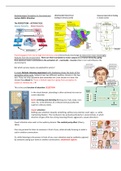
Structured vision of what brand equity looks like.
Key underlying theory: associative network theory = how we process information and how we learn.
Information is stored in systematic way.
- Memory is a network of nodes and links.
o Nodes: stored information or concepts that are connected by
o links: strength of the association between nodes.
- Activation of nodes.
o When internal information is being retrieved from memory (accessing stored
information)
o When new info is being encoded (learning)
- Spreading activation. Activation of one node can spread to another node.
Repeated exposure helps the spreading of activation.
The stronger the link between the brand node and the association, the more likely that the
association will pop up with the brand.
Different situations in which the activations are involved, thus you want to make the link in multiple
situations so it is more embedded in the memory. E.g. Coca-Cola in the sun, in the rain, winter, all
seasons.
5
, Key dimensions of brand knowledge:
1. Brand awareness – customer’s ability to identify the brand under different scenarios
a. Brand recognition – the consumer’s ability to confirm the brand prior exposure to the
brand when given the brand as a cue.
b. Brand recall – retrieve the brand from the memory when given a product category or
a need related to a category.
2. Brand image / association – customers hold some strong, favorable and unique brand
associations in memory (what is linked to the brand).
Importance of brand awareness
- Increases the likelihood that the brand will be in the consideration set
- Influences on decisions about brands within consideration sets
o May be especially essential in low involvement or more impulse buying categories
(quicker decisions)
- It is a necessary condition for developing brand image and associations
Brand associations
- All the nodes stored in a consumers memory to which linkages exist from the brand.
Types of associations
- Attributes – how to best describe the product
o Product related
o Non-product related
- Benefits – what way does the product help the customer?
o Functional
o Experimental
o symbolic
- Attitudes – overarching opinion about the brand. How to describe the brand.
6
Contents
International Brand Management Lectures............................................................................................1
Lecture 1: Introduction.......................................................................................................................2
Lecture 2: CBBE – EBBE.......................................................................................................................4
Article: Keller (1993): “Conceptualizing, Measuring and Managing Customer-Based Brand
Equity”............................................................................................................................................9
Article: Plessis et al (2024): “Continuous Trinity Model Linking Brand Associations to Learning
Processes”.....................................................................................................................................12
Lecture 3: Positioning.......................................................................................................................14
Brand positioning..........................................................................................................................14
Brand elements.............................................................................................................................17
Conclusion lecture........................................................................................................................19
Article Thompson et al (2006): “Emotional Branding and the Strategic Value of the
Doppelgänger Brand Image” (Brand Positioning).........................................................................20
Article: Pogacar et al (2021): “Is Nestlé a Lady? The Feminine Brand Name Advantage” (Brand
Elements)......................................................................................................................................21
Lecture 4: presentations...................................................................................................................22
Article: Tavassoli et al (2014): “Employee-Based Brand Equity: Why Firms with Strong Brands Pay
Their Executives Less”...................................................................................................................23
Lecture 5: Responsible Consumer-Brand Relationships....................................................................25
Article Aaker er al (2004): “When Good Brands Do Good”...........................................................29
Article Vredenburg et al (2020): “Brands Taking a Stand: Authentic Brand Activism or Woke
Washing”......................................................................................................................................32
Lecture 6: open office branding project............................................................................................35
Lecture 7: Marketing Programs (Guest lecture not anymore)...........................................................35
Lecture 8: Measuring BE (know methods of articles).......................................................................41
Article John et al (2006) Teacher explanation...............................................................................44
John et al (2006) VS Gensler et al (2016)......................................................................................44
Article Gensler et al (2016) teacher explanation...........................................................................44
Article John et al (2006) “Brand Concept Maps: A Methodology for Identifying Brand Association
Networks”.....................................................................................................................................46
Article Gensler et al (2016) “Listen to Your Customers: Insights into Brand Image Using Online
Consumer-Generated Product Reviews”.......................................................................................48
Lecture 9: progress presentations (project)......................................................................................50
Lecture 10: article presentations (my presentation).........................................................................50
1
, Feedback teacher..........................................................................................................................53
Article Preece et al (2019) “License to Assemble: Theorizing Brand Longevity”...........................53
Lecture 11: Leveraging Brand Knowledge and Brand Extensions......................................................56
Leveraging secondary associations...............................................................................................56
Brand Extensions..........................................................................................................................59
Article Monga & John (2010) teacher explanation........................................................................61
Article Hede et al (2022) teacher explanation...............................................................................62
Article Monga & John (2010) “What Makes Brands Elastic? The Influence of Brand Concept and
Styles of Thinking on Brand Extension Evaluation”.......................................................................62
Article Hede et al (2022) “Re-thinking Brand Extension Theory: Parents, Siblings, and Off-spring
or Landlords and Tenants?”..........................................................................................................64
Lecture 12: Brand Portfolios and Managing Brands Over Time.........................................................67
Brand-product matrix...................................................................................................................67
Brand portfolio (management).....................................................................................................68
Brand Architecture........................................................................................................................69
Article Lei (2008) teacher explanation..........................................................................................71
Managing brands over time..........................................................................................................72
Article Aaker & Joachimsthaler (2000) “The Brand Relationship Spectrum: The Key to the Brand
Architecture Challenge”................................................................................................................75
Article Lei et al (2008) “Negative Spillover in Brand Portfolios: Exploring the Antecedents of
Asymmetric Effects”......................................................................................................................78
Lecture 13: Guest lecture (Michel Jansen): Brand Archetyping........................................................81
Lecture 14: Managing brands across borders (Melanie Alforque)....................................................86
Lecture 1: Introduction
Videos from the author about the topic.
2
,Brand challenge:
Put into practice what you learned about brands.
Steps:
1. Basic concepts
2. Developing brand equity
3. Leveraging brand equity
3 key parts – brand challenge – student process:
1. Inside of the brand – how do the brand owners think. Make interview. Read as much as
possible about the brand
2. Outside of the brand – get to know the brand – the mind of the target. Collect data and
analyse it. Is the intended and actual brand image in line?
3. Decisions and suggestions – addressing tour brand challenge. Rely on 1 and 2. Use creativity
and your own knowledge. Brand image (customers) and identity (management) are they in
line?
Why brands matter?
Brands matter because you have no expectation when a product does not have a brand. You do not
know what to expect, if the quality is good, if you like it. So why brands matter?
- Consumers need risk reduction
- Consumers need simplification
- Consumers want to express themselves
What is a brand?
Something used to show customers that one product is different than others. Definition = A name,
term, sign, symbol, design or a combination that is to identify the products of a seller and to
differentiate them from those of competitors.
But brands are created in the mind and thus a brand is a person’s gut feeling about a product, service,
or organization.
Marketing = sharing information
Advertising = telling over and over again
Public relations = creating relationships to sell something
Branding - others knowing the information about something, the brand does not have to tell it.
3 perspectives:
- Firm perspective: views brands as assets and examines the various functions and roles that
brands serve for firms, both strategically and financially.
- Consumer perspective: views brands as signals (economic approach) and mental knowledge
cues (psychological approach).
- Society perspective: presents brands in societal and cultural contexts affecting individual
consumers both directly and indirectly through social forces, structures, and institutions
Branding is difficult because it has:
- uncertainty and lower control.
o Less control/ quickly changing consumer trends and needs
3
, - Social pressures
- Overload for the consumer with all the input
o Increased competition / also overload of stimuli
- Increased risks involved
Focus is to remain:
- Authentic
- Transparent about sincerity
- Credible
- Take action!
Challenge: how to stay true to the brand but flexible?
Brand equity refers to the value and strength of a brand as perceived by consumers and the
marketplace. It represents the added value a brand brings to a product or service, beyond its
functional attributes, due to consumer associations, trust, and recognition.
Components of Brand Equity
1. Brand Awareness: How well a brand is recognized by potential customers.
o High awareness makes the brand more familiar and likely to be considered in
purchasing decisions.
2. Brand Associations: The thoughts, feelings, and perceptions that consumers associate with a
brand.
o These can include quality, status, personality, and emotional connections.
3. Perceived Quality: The customer's perception of the quality of a product or service under the
brand name.
o High perceived quality can lead to increased loyalty and pricing power.
4. Brand Loyalty: The degree of consumer attachment or preference for a brand.
o Loyal customers are less likely to switch to competitors and may advocate for the
brand.
5. Proprietary Assets: Intellectual property, such as trademarks, patents, and branding
elements, that support the brand's market position.
Why Is Brand Equity Important?
Pricing Power: Brands with strong equity can command premium prices (e.g., Apple or Nike).
Customer Loyalty: Positive brand equity fosters repeat purchases and customer retention.
Competitive Advantage: It differentiates a brand in a crowded market.
Financial Value: A strong brand can increase a company's market valuation and attract
investors.
New Product Success: Established brands with strong equity make it easier to launch new
products.
For example, Coca-Cola enjoys strong brand equity, as its name alone evokes a sense of quality and
trust worldwide, enabling it to maintain market dominance and justify premium pricing.
Lecture 2: CBBE – EBBE
Consumer-based brand equity (CBBE)
4
,Brand equity is very important. Consumers often can not taste the difference between brands when
blindfolded.
Huge fan base for coke, but Pepsi is preferred when not seen which drink it is. When the drink is seen
and people know which brand it is then people chose for Coca-Cola.
Different areas are activated when people try drinks blindfolded or not.
- Not seeing the brand, the “Eward seeking” was activated in the brain. (going for Pepsi)
- Seeing the brand, “previous memories, emotional reactivity” was activated. (going for coke)
After this experiment, Coca-Cola changed their marketing strategy and changed their Coca-Cola taste
a bit and made a new can. People didn’t like it because the branded product had so much emotional
connection to it. So they brought back the old Coca-Cola.
Brands can make huge difference!
Consumer-based brand equity (CBBE)
“The differential effect of brand knowledge on consumer response to the marketing of a brand.”
Keller (1993)
- Differential effect
- Customer brand knowledge
- Customer response to brand marketing
Brand equity depends on the brand and is very different per product.
The concept of brand equity is that:
- It stresses the importance of the brand in marketing strategies.
- Is defined in terms of the marketing effects uniquely attributable to the brand.
Brand equity relates to the fact that: different outcomes result in the marketing of a product or
service because of its brand name, as compared to if the same product or service did not have that
name.
Keller article teacher explanation (slides)
Structured vision of what brand equity looks like.
Key underlying theory: associative network theory = how we process information and how we learn.
Information is stored in systematic way.
- Memory is a network of nodes and links.
o Nodes: stored information or concepts that are connected by
o links: strength of the association between nodes.
- Activation of nodes.
o When internal information is being retrieved from memory (accessing stored
information)
o When new info is being encoded (learning)
- Spreading activation. Activation of one node can spread to another node.
Repeated exposure helps the spreading of activation.
The stronger the link between the brand node and the association, the more likely that the
association will pop up with the brand.
Different situations in which the activations are involved, thus you want to make the link in multiple
situations so it is more embedded in the memory. E.g. Coca-Cola in the sun, in the rain, winter, all
seasons.
5
, Key dimensions of brand knowledge:
1. Brand awareness – customer’s ability to identify the brand under different scenarios
a. Brand recognition – the consumer’s ability to confirm the brand prior exposure to the
brand when given the brand as a cue.
b. Brand recall – retrieve the brand from the memory when given a product category or
a need related to a category.
2. Brand image / association – customers hold some strong, favorable and unique brand
associations in memory (what is linked to the brand).
Importance of brand awareness
- Increases the likelihood that the brand will be in the consideration set
- Influences on decisions about brands within consideration sets
o May be especially essential in low involvement or more impulse buying categories
(quicker decisions)
- It is a necessary condition for developing brand image and associations
Brand associations
- All the nodes stored in a consumers memory to which linkages exist from the brand.
Types of associations
- Attributes – how to best describe the product
o Product related
o Non-product related
- Benefits – what way does the product help the customer?
o Functional
o Experimental
o symbolic
- Attitudes – overarching opinion about the brand. How to describe the brand.
6