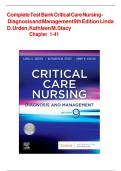
, Table of Contents n n
n Unit 1: Foundationsof Critical Care Nursing
n n n n n n
1. Critical Care Nursing Practice n n n
2. EthicalIssues n
3. Legal Issues n
4. Genetic Issues n
5. Patientand FamilyEducation n n n
6. PsychosocialAlterationsandManagement n n n
7. NutritionAlterationsand Management n n n
8. Pain and Pain Management n n n
9. Sedation,Agitation, and DeliriumManagement n n n n
10. End-of-Life Care n
Unit2: Cardiovascular Alterations
n n n
11. CardiovascularAnatomyandPhysiology n n n
12. Cardiovascular Clinical Assessment n n
13. Cardiovascular Diagnostic Procedures n n
14. Cardiovascular Disorders n
15. Cardiovascular Therapeutic Management n n
Unit 3: Pulmonary Alterations
n n n
16. Pulmonary Anatomy and Physiology n n n
17. PulmonaryClinical Assessment n n
18. PulmonaryDiagnosticProcedures n n
19. Pulmonary Disorders n
20. Pulmonary Therapeutic Management n n
Unit 4: Neurologic Alterations
n n n
21. NeurologicAnatomyand Physiology n n n
Med C File:
n n n
,22. NeurologicClinical AssessmentandDiagnosticProcedures
n n n n n
23. Neurologic Disorders andTherapeutic Management
n n n n
Unit 5: Kidney Alterations
n n n
24. KidneyAnatomy and Physiology
n n n
25. KidneyClinicalAssessmentandDiagnostic Procedures
n n n n n
26. KidneyDisorders andTherapeutic Management
n n n n
Unit 6: Gastrointestinal Alterations
n n n
27. GastrointestinalAnatomyandPhysiology n n n
28. GastrointestinalClinical Assessment and DiagnosticProceduresn n n n
29. Gastrointestinal Disorders and Therapeutic Management n n n n
Unit 7: Endocrine Alterations
n n n
30. Endocrine Anatomyand Physiology
n n n
31. EndocrineClinical AssessmentandDiagnostic Procedures
n n n n n
32. Endocrine Disorders and Therapeutic Management
n n n n
Unit 8:Multisystem Alterations
n n n
33. Trauma
34. Shock,Sepsis,and Multiple Organ Dysfunction Syndrome
n n n n n n
35. Burns
36. Organ Donation and Transplantation
n n n
37. HematologicandOncologic Emergencies n n n
Unit 9: Special Populations
n n n
38. The Obstetric Patient
n n
39. ThePediatric Patient
n n
40. The Older Adult Patient
n n n
41. ThePerianesthesia Patient
n n
, Chapter01:Critical CareNursing Practice
n n n n n
MULTIPLE CHOICE n
1. During World War II, what type of wards were developed to care for critically injured
n n n n n n n n n n n n n n
n patients?
a. Intensivecare n
b. Triage
c. Shock
d. Postoperative
ANS: C n
During World War II, shock wards were established to care for critically injured patients. Triage
n n n n n n n n n n n n n n
wards establish the order in which a patient is seen or treated upon arrival to a hospital.
n n n n n n n n n n n n n n n n n
n Postoperative wards were developed in 1900 and later evolved into intensive care units.
n n n n n n n n n n n n
PTS: 1 n DIF: Cognitive Level: Remembering n n REF: p. 1 n n
n OBJ: Nursing Process Step: N/A
n n n n TOP: Critical CareNursingPractice
n n n n
n MSC: NCLEX: Safe and Effective Care Environment
n n n n n n
2. What type of practitioner has a broad depth of specialty knowledge and expertise and manages
n n n n n n n n n n n n n n
n complex clinical and system issues?
n n n n
a. Registered nurses n
b. Advanced practice nurses n n
c. Clinical nurse leaders n n
d. Intensivists
ANS: B n
Advanced practice nurses (APNs) have a broad depth of knowledge and expertise in their
n n n n n n n n n n n n n
n specialty area and manage complex clinical and systems issues. Intensivists are medical
n n n n n n n n n n n
n practitioners who manage the critical ill patient. Registered nurses (RNs) are generally direct care
n n n n n n n n n n n n n
n providers. Clinical nurse leaders (CNLs) generally do not manage system issues.
n n n n n n n n n n
PTS: 1 n DIF: Cognitive Level: Remembering n n REF: p. 2 n n
n OBJ: Nursing Process Step: N/A
n n n n TOP: Critical Care Nursing Practice
n n n n
n MSC: NCLEX: Safe and Effective Care Environment
n n n n n n
Med C File:
n n n
n Unit 1: Foundationsof Critical Care Nursing
n n n n n n
1. Critical Care Nursing Practice n n n
2. EthicalIssues n
3. Legal Issues n
4. Genetic Issues n
5. Patientand FamilyEducation n n n
6. PsychosocialAlterationsandManagement n n n
7. NutritionAlterationsand Management n n n
8. Pain and Pain Management n n n
9. Sedation,Agitation, and DeliriumManagement n n n n
10. End-of-Life Care n
Unit2: Cardiovascular Alterations
n n n
11. CardiovascularAnatomyandPhysiology n n n
12. Cardiovascular Clinical Assessment n n
13. Cardiovascular Diagnostic Procedures n n
14. Cardiovascular Disorders n
15. Cardiovascular Therapeutic Management n n
Unit 3: Pulmonary Alterations
n n n
16. Pulmonary Anatomy and Physiology n n n
17. PulmonaryClinical Assessment n n
18. PulmonaryDiagnosticProcedures n n
19. Pulmonary Disorders n
20. Pulmonary Therapeutic Management n n
Unit 4: Neurologic Alterations
n n n
21. NeurologicAnatomyand Physiology n n n
Med C File:
n n n
,22. NeurologicClinical AssessmentandDiagnosticProcedures
n n n n n
23. Neurologic Disorders andTherapeutic Management
n n n n
Unit 5: Kidney Alterations
n n n
24. KidneyAnatomy and Physiology
n n n
25. KidneyClinicalAssessmentandDiagnostic Procedures
n n n n n
26. KidneyDisorders andTherapeutic Management
n n n n
Unit 6: Gastrointestinal Alterations
n n n
27. GastrointestinalAnatomyandPhysiology n n n
28. GastrointestinalClinical Assessment and DiagnosticProceduresn n n n
29. Gastrointestinal Disorders and Therapeutic Management n n n n
Unit 7: Endocrine Alterations
n n n
30. Endocrine Anatomyand Physiology
n n n
31. EndocrineClinical AssessmentandDiagnostic Procedures
n n n n n
32. Endocrine Disorders and Therapeutic Management
n n n n
Unit 8:Multisystem Alterations
n n n
33. Trauma
34. Shock,Sepsis,and Multiple Organ Dysfunction Syndrome
n n n n n n
35. Burns
36. Organ Donation and Transplantation
n n n
37. HematologicandOncologic Emergencies n n n
Unit 9: Special Populations
n n n
38. The Obstetric Patient
n n
39. ThePediatric Patient
n n
40. The Older Adult Patient
n n n
41. ThePerianesthesia Patient
n n
, Chapter01:Critical CareNursing Practice
n n n n n
MULTIPLE CHOICE n
1. During World War II, what type of wards were developed to care for critically injured
n n n n n n n n n n n n n n
n patients?
a. Intensivecare n
b. Triage
c. Shock
d. Postoperative
ANS: C n
During World War II, shock wards were established to care for critically injured patients. Triage
n n n n n n n n n n n n n n
wards establish the order in which a patient is seen or treated upon arrival to a hospital.
n n n n n n n n n n n n n n n n n
n Postoperative wards were developed in 1900 and later evolved into intensive care units.
n n n n n n n n n n n n
PTS: 1 n DIF: Cognitive Level: Remembering n n REF: p. 1 n n
n OBJ: Nursing Process Step: N/A
n n n n TOP: Critical CareNursingPractice
n n n n
n MSC: NCLEX: Safe and Effective Care Environment
n n n n n n
2. What type of practitioner has a broad depth of specialty knowledge and expertise and manages
n n n n n n n n n n n n n n
n complex clinical and system issues?
n n n n
a. Registered nurses n
b. Advanced practice nurses n n
c. Clinical nurse leaders n n
d. Intensivists
ANS: B n
Advanced practice nurses (APNs) have a broad depth of knowledge and expertise in their
n n n n n n n n n n n n n
n specialty area and manage complex clinical and systems issues. Intensivists are medical
n n n n n n n n n n n
n practitioners who manage the critical ill patient. Registered nurses (RNs) are generally direct care
n n n n n n n n n n n n n
n providers. Clinical nurse leaders (CNLs) generally do not manage system issues.
n n n n n n n n n n
PTS: 1 n DIF: Cognitive Level: Remembering n n REF: p. 2 n n
n OBJ: Nursing Process Step: N/A
n n n n TOP: Critical Care Nursing Practice
n n n n
n MSC: NCLEX: Safe and Effective Care Environment
n n n n n n
Med C File:
n n n