Science Medicine Nursing
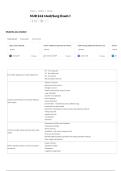
NUR 242 Med/Surg Exam 1
Save
Students also studied
Flashcard sets Study guides Practice tests
Quiz study material Unit 2: Health Assessment and Prom... 8_28 Nursing Safety & Infection Con... CCMA
18 terms 28 terms 203 terms 35 terms
Alaina3214 Preview faheynicole039 Preview gmarino48 Preview bro
65 - 74 young old
75 - 84 middle old
Four Major subgroups of Late Adulthood
85 - 99 old old
100 and older elite old
Yearly flu vaccine
pneumococcal vaccine
Shingles vaccine
tetanus and booster every 10 years
wear seat belts
alcohol in moderation
avoid smoking
Lifestyle and Practice to Promote Wellness
smoke detectors
older adults
prevent falls - waxed floors and scattered rugs
medications as prescribed
avoid OTC medications unless primary care phyisican directs
Yearly physicial
regular exercise
socialization
reminisce
Decreased nutrition and hydration
Decreased mobility
Stress and loss
Common health Issues and Concerns older
Accidents - falls most common/MVA
adults
Drug use and misuse
Mental health/cognition problems (including substance abuse)
Elder neglect and abuse
Under nutrition
GFTT ( Geriatric Failure To Thrive) Complex Impaired mobility
Syndrome Depression
Cognitive impairment
, Most common mental health/behavioral health problem among older adults.
Use Geriatric Depression Scale form
Depression older adults Mood disorder having cognitive, affective, physical manifestations
Primary (lack of neurotransmitters)
Secondary or situational
slowly progresses
generally chronic
Dementia older adults intellectual impairment
Most common Alzheimer's
Multi-infarct dementia, the second most common resulting from a vascular disorder
Acute and fluctuating onset
results from an unfamiliar place
Delirium older adults
Symptoms - inattentiveness, disorganized thinking, and altered level of
consciousness
Advocate for the patient and family
Create therapeutic rehab milieu
provide whole person patient-centered care
Collaborate with healthcare team for patient outcome and develop care plan
Nurse's role in Rehab
Communicate with effectively with all members of the health care team, patient and
family
Evaluate effectiveness of plan of care for the patient and family
Use Braden scale - skin break down risk
-Maintain a wide, stable base with your feet
-Put the bed at the correct height - waist level while providing direct care and hip
Safe Patient Handing and Mobility (SPHM) level when moving patients
- Keep the patient or work directly in front of you to prevent your spine from rotating
- Keep the patient as close to your body as possible to prevent reaching
- Apply a transfer belt around patients waist
walker - assisted and cane - assisted - guide patient to a standing position
procedure - remind patient to place both hands on the walker
- ensure that the patient's body is well balanced
- lift the walker
- move the walker about 2 feet forward and set it down on all legs
walker teaching -while resting on the walker, take small steps
- check balance
- repeat sequence
- be sure cane is at the height of the patients wrist when the arm is placed at his or
her side
- remind patient to place his or her strong hand on cane
cane teaching - ensure that the patient's body is well balanced
- move the cane and weaker leg forward at the same time
- move the stronger leg one step forward
- check balance and repeat the sequence
buttonhook
extended shoehorn
plate guard and spork
gel pad
Adaptive equipment
foam buildups
hook and loop fasteners
long-handled reacher
elastic shoelaces or velcro shoe closure
NUR 242 Med/Surg Exam 1
Save
Students also studied
Flashcard sets Study guides Practice tests
Quiz study material Unit 2: Health Assessment and Prom... 8_28 Nursing Safety & Infection Con... CCMA
18 terms 28 terms 203 terms 35 terms
Alaina3214 Preview faheynicole039 Preview gmarino48 Preview bro
65 - 74 young old
75 - 84 middle old
Four Major subgroups of Late Adulthood
85 - 99 old old
100 and older elite old
Yearly flu vaccine
pneumococcal vaccine
Shingles vaccine
tetanus and booster every 10 years
wear seat belts
alcohol in moderation
avoid smoking
Lifestyle and Practice to Promote Wellness
smoke detectors
older adults
prevent falls - waxed floors and scattered rugs
medications as prescribed
avoid OTC medications unless primary care phyisican directs
Yearly physicial
regular exercise
socialization
reminisce
Decreased nutrition and hydration
Decreased mobility
Stress and loss
Common health Issues and Concerns older
Accidents - falls most common/MVA
adults
Drug use and misuse
Mental health/cognition problems (including substance abuse)
Elder neglect and abuse
Under nutrition
GFTT ( Geriatric Failure To Thrive) Complex Impaired mobility
Syndrome Depression
Cognitive impairment
, Most common mental health/behavioral health problem among older adults.
Use Geriatric Depression Scale form
Depression older adults Mood disorder having cognitive, affective, physical manifestations
Primary (lack of neurotransmitters)
Secondary or situational
slowly progresses
generally chronic
Dementia older adults intellectual impairment
Most common Alzheimer's
Multi-infarct dementia, the second most common resulting from a vascular disorder
Acute and fluctuating onset
results from an unfamiliar place
Delirium older adults
Symptoms - inattentiveness, disorganized thinking, and altered level of
consciousness
Advocate for the patient and family
Create therapeutic rehab milieu
provide whole person patient-centered care
Collaborate with healthcare team for patient outcome and develop care plan
Nurse's role in Rehab
Communicate with effectively with all members of the health care team, patient and
family
Evaluate effectiveness of plan of care for the patient and family
Use Braden scale - skin break down risk
-Maintain a wide, stable base with your feet
-Put the bed at the correct height - waist level while providing direct care and hip
Safe Patient Handing and Mobility (SPHM) level when moving patients
- Keep the patient or work directly in front of you to prevent your spine from rotating
- Keep the patient as close to your body as possible to prevent reaching
- Apply a transfer belt around patients waist
walker - assisted and cane - assisted - guide patient to a standing position
procedure - remind patient to place both hands on the walker
- ensure that the patient's body is well balanced
- lift the walker
- move the walker about 2 feet forward and set it down on all legs
walker teaching -while resting on the walker, take small steps
- check balance
- repeat sequence
- be sure cane is at the height of the patients wrist when the arm is placed at his or
her side
- remind patient to place his or her strong hand on cane
cane teaching - ensure that the patient's body is well balanced
- move the cane and weaker leg forward at the same time
- move the stronger leg one step forward
- check balance and repeat the sequence
buttonhook
extended shoehorn
plate guard and spork
gel pad
Adaptive equipment
foam buildups
hook and loop fasteners
long-handled reacher
elastic shoelaces or velcro shoe closure