100% de satisfacción garantizada Inmediatamente disponible después del pago Tanto en línea como en PDF No estas atado a nada 4.2 TrustPilot
logo-home
Examen

HRM3706 Assignment 3 (DETAILED ANSWERS) Semester 2 2025 - DISTINCTION GUARANTEED

Puntuación
-
Vendido
-
Páginas
8
Grado
A+
Subido en
16-09-2025
Escrito en
2025/2026

HRM3706 Assignment 3 (DETAILED ANSWERS) Semester 2 2025 - DISTINCTION GUARANTEED - DISTINCTION GUARANTEED - DISTINCTION GUARANTEED Answers, guidelines, workings and references ,... Explain the process of job analysis and analyse its role in the implementation of a performance management system . Analyse the role of job analysis in the implementation of a performance management system Distinguish among different performance measuring approaches. Recognise the purpose of the performance management and how badly implemented performance management systems inhibit them. Distinguish between performance management and performance appraisal. Comment on the role of the performance management process in the management of knowledge workers in the new world of work. Comment on the role of performance management in ensuring that knowledge workers possess the required competencies in the world of work Critically discuss the stages in a performance management process and indicate how each can minimise the criticisms of many existing performance management systems. Apply the expectancy theory to design a pay-for-performance reward system in an organisation. PERFORMANCE REVIEW SHORTCUTS AT LANGA Inc. Thembinkosi is a sales manager at Langa Inc., a large pharmaceutical company in KwaZulu-Natal. The financial year of this organisation will end in one week. Thembinkosi is overwhelmed by the end-of-the-year tasks, including reviewing the budgets he is likely to be allocated for the following year, responding to customers’ phone calls, and supervising a group of 15 salespeople. It is a very hectic time, probably the most hectic time of the year. He receives a phone call from the Human Resource (HR) Department: “Thembinkosi, we have not yet received your performance reviews for your 15 employees; as usual, they are due by the end of the financial year, which is next week”. Thembinkosi thinks, “Oh, those performance reviews… What a waste of time!” From Thembinkosi’s point of view, there is no value to completing those seemingly meaningless forms. In his view, there is no use in conducting performance reviews for his staff because he does not see her subordinates in action, as they are in the field visiting customers most of the time. All he knows about their performance is the sales figures, which depend more on the products offered and geographic territory covered than the individual effort and motivation of each salesperson. In addition, nothing happens in terms of rewards, regardless of the ratings allocated during the performance review. Also, salary adjustments in this organisation are based on seniority rather than on merit, rendering the performance reviews even more useless. He has less than three days to do the performance reviews and send the forms to the HR department. He feels overwhelmed and decides to follow the path of least resistance: to please his employees and give everyone the maximum possible rating. In this way, Thembinkosi believes the employees will be happy with their ratings, and he will not have to deal with complaints or follow-up meetings. He fills out the forms in less than an hour and gets back to her “real job” 1.1 As the manager of Hlogotlou Manufacturers, analyse the poor performance in your unit in line with the formula about the relationship between the three determinants of performance. Substantiate your analysis with reference to the scenario 1.2 Suggest any THREE developmental activities that can help Linda and Mahlodi to improve their performance. Justify your choice of these developmental activities with reference to the scenario. 1.3 From the scenario, as well your answer for question 1.3 above, justify the role of performance management in the learning and development function in the organisation. (2) 1.4 Suppose Mashudu wants to appeal his performance appraisal outcomes. Identify the type of issue that Mashudu can base his appeal on (1 mark). Motivate your answer with reference to the scenario. (1 mark). (2) [25] QUESTION 2 2.1 Describe the trait approach of measuring employee performance (1 mark) and analyse how this approach can hinder the administrative and developmental purposes of the performance management process if it is used to measure employee performance (4 marks). (5) 2.2 Briefly explain the role played by the Labour Relations Act 66 of 1995 and the Basic Conditions of the Employment Act 75 of 1997 in ensuring that the performance management process is fair and legal. (6) 2.3 Explain the concept of social loafing (1 mark) and provide examples of how the following methods of can help to overcome social loafing. 2.3.1 Make each performer identifiable {2} 2.3.1 Use punishment threats (negative reinforcement). {2} [5] Read the following scenario and answer questions that follow. Nandi graduated as an Internal auditor from the Sol Plaatjie University in 2018. After many years of looking for a job, he decides to apply for a job as a shop assistant at Lewatle Fashions, one of the new clothing stores in her village. As a new store, its main strategy is to build a stable customer base, therefore customer service is emphasised to its all employees. To make sure that each employee is contributing to this goal, each store assistant has a target of three clients per week to persuade into opening store accounts. The sad part is that store managers do not get paid if they did not persuade at least 2 new clients into opening store accounts. Nandi has just joined this organisation, and she realises that it is difficult to meet the set target. However, she is comforted by the fact that she is not struggling alone, even experienced store assistance who joined two and three years ago also fail to reach the set target. The performance appraisal of each store assistant is carried out quarterly to assess if employees are meeting their set performance target. 2.4 Which performance measuring approach is used to measure shop assistants at Lewatle Fashions cc. (1 mark)? Substantiate your answer with reference from the scenario Read the scenario below and then answer the questions that follow. Remember that your answers should relate to the information provided. PERFORMANCE REVIEW SHORTCUTS AT LANGA Inc. Thembinkosi is a sales manager at Langa Inc., a large pharmaceutical company in KwaZulu-Natal. The financial year of this organisation will end in one week. Thembinkosi is overwhelmed by the end-of-the-year tasks, including reviewing the budgets he is likely to be allocated for the following year, responding to customers’ phone calls, and supervising a group of 15 salespeople. It is a very hectic time, probably the most hectic time of the year. He receives a phone call from the Human Resource (HR) Department: “Thembinkosi, we have not yet received your performance reviews for your 15 employees; as usual, they are due by the end of the financial year, which is next week”. Thembinkosi thinks, “Oh, those performance reviews… What a waste of time!” From Thembinkosi’s point of view, there is no value to completing those seemingly meaningless forms. In his view, there is no use in conducting performance reviews for his staff because he does not see her subordinates in action, as they are in the field visiting customers most of the time. All he knows about their performance is the sales figures, which depend more on the products offered and geographic territory covered than the individual effort and motivation of each salesperson. In addition, nothing happens in terms of rewards, regardless of the ratings allocated during the performance review. Also, salary adjustments in this organisation are based on seniority rather than on merit, rendering the performance reviews even more useless. He has less than three days to do the performance reviews and send the forms to the HR department. He feels overwhelmed and decides to follow the path of least resistance: to please his employees and give everyone the maximum possible rating. In this way, Thembinkosi believes the employees will be happy with their ratings, and he will not have to deal with complaints or follow-up meetings. He fills out the forms in less than an hour and gets back to her “real job” Which measurement approach/s do you think are appropriate for Thembinkosi to review the salespeople’s performance at Langa Inc.? Substantiate your answer with reference to the scenario. Identify the TWO purposes of the performance management process that are inhibited by the way employee performance is reviewed at Langa Inc. What makes the process in the scenario a performance appraisal, and not a performance management? Critically discuss the stages in a performance management process and indicate how each can minimise the criticisms of many existing performance management systems. Apply the expectancy theory to design a pay-for-performance reward system in an organisation. PERFORMANCE REVIEW SHORTCUTS AT LANGA Inc. Thembinkosi is a sales manager at Langa Inc., a large pharmaceutical company in KwaZulu-Natal. The financial year of this organisation will end in one week. Thembinkosi is overwhelmed by the end-of-the-year tasks, including reviewing the budgets he is likely to be allocated for the following year, responding to customers’ phone calls, and supervising a group of 15 salespeople. It is a very hectic time, probably the most hectic time of the year. He receives a phone call from the Human Resource (HR) Department: “Thembinkosi, we have not yet received your performance reviews for your 15 employees; as usual, they are due by the end of the financial year, which is next week”. Thembinkosi thinks, “Oh, those performance reviews… What a waste of time!” From Thembinkosi’s point of view, there is no value to completing those seemingly meaningless forms. In his view, there is no use in conducting performance reviews for his staff because he does not see her subordinates in action, as they are in the field visiting customers most of the time. All he knows about their performance is the sales figures, which depend more on the products offered and geographic territory covered than the individual effort and motivation of each salesperson. In addition, nothing happens in terms of rewards, regardless of the ratings allocated during the performance review. Also, salary adjustments in this organisation are based on seniority rather than on merit, rendering the performance reviews even more useless. He has less than three days to do the performance reviews and send the forms to the HR department. He feels overwhelmed and decides to follow the path of least resistance: to please his employees and give everyone the maximum possible rating. In this way, Thembinkosi believes the employees will be happy with their ratings, and he will not have to deal with complaints or follow-up meetings. He fills out the forms in less than an hour and gets back to her “real job” 1.1 As the manager of Hlogotlou Manufacturers, analyse the poor performance in your unit in line with the formula about the relationship between the three determinants of performance. Substantiate your analysis with reference to the scenario 1.2 Suggest any THREE developmental activities that can help Linda and Mahlodi to improve their performance. Justify your choice of these developmental activities with reference to the scenario. 1.3 From the scenario, as well your answer for question 1.3 above, justify the role of performance management in the learning and development function in the organisation. (2) 1.4 Suppose Mashudu wants to appeal his performance appraisal outcomes. Identify the type of issue that Mashudu can base his appeal on (1 mark). Motivate your answer with reference to the scenario. (1 mark). (2) [25] QUESTION 2 2.1 Describe the trait approach of measuring employee performance (1 mark) and analyse how this approach can hinder the administrative and developmental purposes of the performance management process if it is used to measure employee performance (4 marks). (5) 2.2 Briefly explain the role played by the Labour Relations Act 66 of 1995 and the Basic Conditions of the Employment Act 75 of 1997 in ensuring that the performance management process is fair and legal. (6) 2.3 Explain the concept of social loafing (1 mark) and provide examples of how the following methods of can help to overcome social loafing. 2.3.1 Make each performer identifiable {2} 2.3.1 Use punishment threats (negative reinforcement). {2} [5] Read the following scenario and answer questions that follow. Nandi graduated as an Internal auditor from the Sol Plaatjie University in 2018. After many years of looking for a job, he decides to apply for a job as a shop assistant at Lewatle Fashions, one of the new clothing stores in her village. As a new store, its main strategy is to build a stable customer base, therefore customer service is emphasised to its all employees. To make sure that each employee is contributing to this goal, each store assistant has a target of three clients per week to persuade into opening store accounts. The sad part is that store managers do not get paid if they did not persuade at least 2 new clients into opening store accounts. Nandi has just joined this organisation, and she realises that it is difficult to meet the set target. However, she is comforted by the fact that she is not struggling alone, even experienced store assistance who joined two and three years ago also fail to reach the set target. The performance appraisal of each store assistant is carried out quarterly to assess if employees are meeting their set performance target. 2.4 Which performance measuring approach is used to measure shop assistants at Lewatle Fashions cc. (1 mark)? Substantiate your answer with reference from the scenario Read the scenario below and then answer the questions that follow. Remember that your answers should relate to the information provided. PERFORMANCE REVIEW SHORTCUTS AT LANGA Inc. Thembinkosi is a sales manager at Langa Inc., a large pharmaceutical company in KwaZulu-Natal. The financial year of this organisation will end in one week. Thembinkosi is overwhelmed by the end-of-the-year tasks, including reviewing the budgets he is likely to be allocated for the following year, responding to customers’ phone calls, and supervising a group of 15 salespeople. It is a very hectic time, probably the most hectic time of the year. He receives a phone call from the Human Resource (HR) Department: “Thembinkosi, we have not yet received your performance reviews for your 15 employees; as usual, they are due by the end of the financial year, which is next week”. Thembinkosi thinks, “Oh, those performance reviews… The following are some of the most common areas of criticism of the current approaches to performance management systems in many organisations. Clearly indicate how each stage of the performance management process can minimise each criticism below. You may identify more than one stage for each criticism if you deem it necessary. Performance appraisals are subjective due to human error and bias. Pay and performance are often linked, but the link cannot be justified from a scientific approach. Performance appraisals are subjective and do not really reflect the true performance of employees. Employees fear performance appraisals and therefore hide the truth about their performance. There are gaps between business performance, departmental performance, and individual performance.What a waste of time!” From Thembinkosi’s point of view, there is no value to completing those seemingly meaningless forms. In his view, there is no use in conducting performance reviews for his staff because he does not see her subordinates in action, as they are in the field visiting customers most of the time. All he knows about their performance is the sales figures, which depend more on the products offered and geographic territory covered than the individual effort and motivation of each salesperson. In addition, nothing happens in terms of rewards, regardless of the ratings allocated during the performance review. Also, salary adjustments in this organisation are based on seniority rather than on merit, rendering the performance reviews even more useless. He has less than three days to do the performance reviews and send the forms to the HR department. He feels overwhelmed and decides to follow the path of least resistance: to please his employees and give everyone the maximum possible rating. In this way, Thembinkosi believes the employees will be happy with their ratings, and he will not have to deal with complaints or follow-up meetings. He fills out the forms in less than an hour and gets back to her “real job” Which measurement approach/s do you think are appropriate for Thembinkosi to review the salespeople’s performance at Langa Inc.? Substantiate your answer with reference to the scenario. Identify the TWO purposes of the performance management process that are inhibited by the way employee performance is reviewed at Langa Inc. What makes the process in the scenario a performance appraisal, and not a performance management? Explain the role of the performance management process in ensuring that knowledge workers possess the required competencies in the world of work. (4) Read the case study below and then answer the questions that follow. Remember that your answers should relate to the information provided. HAPPY EMPLOYEES, HAPPY CLIENTS! Sasekani Hairdo is a popular hair salon in a small town called Giyani in Limpopo, with several branches in townships surrounding the town. The owner, Mr Hetisani Nkhwashu, is worried about a recent drop in clientele. He therefore distributes questionnaires to his customers, and from the responses, he realises that clients are no longer happy with the way their hair is done. Mr Nkhwashu tries to address the issue with the hairdressers, and they admit that they are on a secret go-slow in their work. Their main complaint is that they feel the pay they get weekly is not enough for the hard work they do. He then asks them to give him some time to think about their complaint, and he will come back to them with a solution that will benefit the business, the customers, and them as hairdressers. Mr Nkhwashu decides that, instead of increasing hairdressers’ pay across the board, he will introduce a pay-for-performance reward system. However, he is not sure how it works, so he comes to you to ask you a few questions about designing and implementing a performance management system. Advise Mr Nkhwashu on designing a pay-for-performance system using expectancy theory as a point of departure. Do not forget to use the salon context to support your advice. Explain the process of job analysis and analyse its role in the implementation of a performance management system . Analyse the role of job analysis in the implementation of a performance management system Distinguish among different performance measuring approaches. Recognise the purpose of the performance management and how badly implemented performance management systems inhibit them. Distinguish between performance management and performance appraisal. Comment on the role of the performance management process in the management of knowledge workers in the new world of work. Comment on the role of performance management in ensuring that knowledge workers possess the required competencies in the world of work Critically discuss the stages in a performance management process and indicate how each can minimise the criticisms of many existing performance management systems. Apply the expectancy theory to design a pay-for-performance reward system in an organisation. PERFORMANCE REVIEW SHORTCUTS AT LANGA Inc. Thembinkosi is a sales manager at Langa Inc., a large pharmaceutical company in KwaZulu-Natal. The financial year of this organisation will end in one week. Thembinkosi is overwhelmed by the end-of-the-year tasks, including reviewing the budgets he is likely to be allocated for the following year, responding to customers’ phone calls, and supervising a group of 15 salespeople. It is a very hectic time, probably the most hectic time of the year. He receives a phone call from the Human Resource (HR) Department: “Thembinkosi, we have not yet received your performance reviews for your 15 employees; as usual, they are due by the end of the financial year, which is next week”. Thembinkosi thinks, “Oh, those performance reviews… What a waste of time!” From Thembinkosi’s point of view, there is no value to completing those seemingly meaningless forms. In his view, there is no use in conducting performance reviews for his staff because he does not see her subordinates in action, as they are in the field visiting customers most of the time. All he knows about their performance is the sales figures, which depend more on the products offered and geographic territory covered than the individual effort and motivation of each salesperson. In addition, nothing happens in terms of rewards, regardless of the ratings allocated during the performance review. Also, salary adjustments in this organisation are based on seniority rather than on merit, rendering the performance reviews even more useless. He has less than three days to do the performance reviews and send the forms to the HR department. He feels overwhelmed and decides to follow the path of least resistance: to please his employees and give everyone the maximum possible rating. In this way, Thembinkosi believes the employees will be happy with their ratings, and he will not have to deal with complaints or follow-up meetings. He fills out the forms in less than an hour and gets back to her “real job” 1.1 As the manager of Hlogotlou Manufacturers, analyse the poor performance in your unit in line with the formula about the relationship between the three determinants of performance. Substantiate your analysis with reference to the scenario 1.2 Suggest any THREE developmental activities that can help Linda and Mahlodi to improve their performance. Justify your choice of these developmental activities with reference to the scenario. 1.3 From the scenario, as well your answer for question 1.3 above, justify the role of performance management in the learning and development function in the organisation. (2) 1.4 Suppose Mashudu wants to appeal his performance appraisal outcomes. Identify the type of issue that Mashudu can base his appeal on (1 mark). Motivate your answer with reference to the scenario. (1 mark). (2) [25] QUESTION 2 2.1 Describe the trait approach of measuring employee performance (1 mark) and analyse how this approach can hinder the administrative and developmental purposes of the performance management process if it is used to measure employee performance (4 marks). (5) 2.2 Briefly explain the role played by the Labour Relations Act 66 of 1995 and the Basic Conditions of the Employment Act 75 of 1997 in ensuring that the performance management process is fair and legal. (6) 2.3 Explain the concept of social loafing (1 mark) and provide examples of how the following methods of can help to overcome social loafing. 2.3.1 Make each performer identifiable {2} 2.3.1 Use punishment threats (negative reinforcement). {2} [5] Read the following scenario and answer questions that follow. Nandi graduated as an Internal auditor from the Sol Plaatjie University in 2018. After many years of looking for a job, he decides to apply for a job as a shop assistant at Lewatle Fashions, one of the new clothing stores in her village. As a new store, its main strategy is to build a stable customer base, therefore customer service is emphasised to its all employees. To make sure that each employee is contributing to this goal, each store assistant has a target of three clients per week to persuade into opening store accounts. The sad part is that store managers do not get paid if they did not persuade at least 2 new clients into opening store accounts. Nandi has just joined this organisation, and she realises that it is difficult to meet the set target. However, she is comforted by the fact that she is not struggling alone, even experienced store assistance who joined two and three years ago also fail to reach the set target. The performance appraisal of each store assistant is carried out quarterly to assess if employees are meeting their set performance target. 2.4 Which performance measuring approach is used to measure shop assistants at Lewatle Fashions cc. (1 mark)? Substantiate your answer with reference from the scenario Read the scenario below and then answer the questions that follow. Remember that your answers should relate to the information provided. PERFORMANCE REVIEW SHORTCUTS AT LANGA Inc. Thembinkosi is a sales manager at Langa Inc., a large pharmaceutical company in KwaZulu-Natal. The financial year of this organisation will end in one week. Thembinkosi is overwhelmed by the end-of-the-year tasks, including reviewing the budgets he is likely to be allocated for the following year, responding to customers’ phone calls, and supervising a group of 15 salespeople. It is a very hectic time, probably the most hectic time of the year. He receives a phone call from the Human Resource (HR) Department: “Thembinkosi, we have not yet received your performance reviews for your 15 employees; as usual, they are due by the end of the financial year, which is next week”. Thembinkosi thinks, “Oh, those performance reviews… What a waste of time!” From Thembinkosi’s point of view, there is no value to completing those seemingly meaningless forms. In his view, there is no use in conducting performance reviews for his staff because he does not see her subordinates in action, as they are in the field visiting customers most of the time. All he knows about their performance is the sales figures, which depend more on the products offered and geographic territory covered than the individual effort and motivation of each salesperson. In addition, nothing happens in terms of rewards, regardless of the ratings allocated during the performance review. Also, salary adjustments in this organisation are based on seniority rather than on merit, rendering the performance reviews even more useless. He has less than three days to do the performance reviews and send the forms to the HR department. He feels overwhelmed and decides to follow the path of least resistance: to please his employees and give everyone the maximum possible rating. In this way, Thembinkosi believes the employees will be happy with their ratings, and he will not have to deal with complaints or follow-up meetings. He fills out the forms in less than an hour and gets back to her “real job” Which measurement approach/s do you think are appropriate for Thembinkosi to review the salespeople’s performance at Langa Inc.? Substantiate your answer with reference to the scenario. Identify the TWO purposes of the performance management process that are inhibited by the way employee performance is reviewed at Langa Inc. What makes the process in the scenario a performance appraisal, and not a performance management? Critically discuss the stages in a performance management process and indicate how each can minimise the criticisms of many existing performance management systems. Apply the expectancy theory to design a pay-for-performance reward system in an organisation. PERFORMANCE REVIEW SHORTCUTS AT LANGA Inc. Thembinkosi is a sales manager at Langa Inc., a large pharmaceutical company in KwaZulu-Natal. The financial year of this organisation will end in one week. Thembinkosi is overwhelmed by the end-of-the-year tasks, including reviewing the budgets he is likely to be allocated for the following year, responding to customers’ phone calls, and supervising a group of 15 salespeople. It is a very hectic time, probably the most hectic time of the year. He receives a phone call from the Human Resource (HR) Department: “Thembinkosi, we have not yet received your performance reviews for your 15 employees; as usual, they are due by the end of the financial year, which is next week”. Thembinkosi thinks, “Oh, those performance reviews… What a waste of time!” From Thembinkosi’s point of view, there is no value to completing those seemingly meaningless forms. In his view, there is no use in conducting performance reviews for his staff because he does not see her subordinates in action, as they are in the field visiting customers most of the time. All he knows about their performance is the sales figures, which depend more on the products offered and geographic territory covered than the individual effort and motivation of each salesperson. In addition, nothing happens in terms of rewards, regardless of the ratings allocated during the performance review. Also, salary adjustments in this organisation are based on seniority rather than on merit, rendering the performance reviews even more useless. He has less than three days to do the performance reviews and send the forms to the HR department. He feels overwhelmed and decides to follow the path of least resistance: to please his employees and give everyone the maximum possible rating. In this way, Thembinkosi believes the employees will be happy with their ratings, and he will not have to deal with complaints or follow-up meetings. He fills out the forms in less than an hour and gets back to her “real job” 1.1 As the manager of Hlogotlou Manufacturers, analyse the poor performance in your unit in line with the formula about the relationship between the three determinants of performance. Substantiate your analysis with reference to the scenario 1.2 Suggest any THREE developmental activities that can help Linda and Mahlodi to improve their performance. Justify your choice of these developmental activities with reference to the scenario. 1.3 From the scenario, as well your answer for question 1.3 above, justify the role of performance management in the learning and development function in the organisation. (2) 1.4 Suppose Mashudu wants to appeal his performance appraisal outcomes. Identify the type of issue that Mashudu can base his appeal on (1 mark). Motivate your answer with reference to the scenario. (1 mark). (2) [25] QUESTION 2 2.1 Describe the trait approach of measuring employee performance (1 mark) and analyse how this approach can hinder the administrative and developmental purposes of the performance management process if it is used to measure employee performance (4 marks). (5) 2.2 Briefly explain the role played by the Labour Relations Act 66 of 1995 and the Basic Conditions of the Employment Act 75 of 1997 in ensuring that the performance management process is fair and legal. (6) 2.3 Explain the concept of social loafing (1 mark) and provide examples of how the following methods of can help to overcome social loafing. 2.3.1 Make each performer identifiable {2} 2.3.1 Use punishment threats (negative reinforcement). {2} [5] Read the following scenario and answer questions that follow. Nandi graduated as an Internal auditor from the Sol Plaatjie University in 2018. After many years of looking for a job, he decides to apply for a job as a shop assistant at Lewatle Fashions, one of the new clothing stores in her village. As a new store, its main strategy is to build a stable customer base, therefore customer service is emphasised to its all employees. To make sure that each employee is contributing to this goal, each store assistant has a target of three clients per week to persuade into opening store accounts. The sad part is that store managers do not get paid if they did not persuade at least 2 new clients into opening store accounts. Nandi has just joined this organisation, and she realises that it is difficult to meet the set target. However, she is comforted by the fact that she is not struggling alone, even experienced store assistance who joined two and three years ago also fail to reach the set target. The performance appraisal of each store assistant is carried out quarterly to assess if employees are meeting their set performance target. 2.4 Which performance measuring approach is used to measure shop assistants at Lewatle Fashions cc. (1 mark)? Substantiate your answer with reference from the scenario Read the scenario below and then answer the questions that follow. Remember that your answers should relate to the information provided. PERFORMANCE REVIEW SHORTCUTS AT LANGA Inc. Thembinkosi is a sales manager at Langa Inc., a large pharmaceutical company in KwaZulu-Natal. The financial year of this organisation will end in one week. Thembinkosi is overwhelmed by the end-of-the-year tasks, including reviewing the budgets he is likely to be allocated for the following year, responding to customers’ phone calls, and supervising a group of 15 salespeople. It is a very hectic time, probably the most hectic time of the year. He receives a phone call from the Human Resource (HR) Department: “Thembinkosi, we have not yet received your performance reviews for your 15 employees; as usual, they are due by the end of the financial year, which is next week”. Thembinkosi thinks, “Oh, those performance reviews… The following are some of the most common areas of criticism of the current approaches to performance management systems in many organisations. Clearly indicate how each stage of the performance management process can minimise each criticism below. You may identify more than one stage for each criticism if you deem it necessary. Performance appraisals are subjective due to human error and bias. Pay and performance are often linked, but the link cannot be justified from a scientific approach. Performance appraisals are subjective and do not really reflect the true performance of employees. Employees fear performance appraisals and therefore hide the truth about their performance. There are gaps between business performance, departmental performance, and individual performance.What a waste of time!” From Thembinkosi’s point of view, there is no value to completing those seemingly meaningless forms. In his view, there is no use in conducting performance reviews for his staff because he does not see her subordinates in action, as they are in the field visiting customers most of the time. All he knows about their performance is the sales figures, which depend more on the products offered and geographic territory covered than the individual effort and motivation of each salesperson. In addition, nothing happens in terms of rewards, regardless of the ratings allocated during the performance review. Also, salary adjustments in this organisation are based on seniority rather than on merit, rendering the performance reviews even more useless. He has less than three days to do the performance reviews and send the forms to the HR department. He feels overwhelmed and decides to follow the path of least resistance: to please his employees and give everyone the maximum possible rating. In this way, Thembinkosi believes the employees will be happy with their ratings, and he will not have to deal with complaints or follow-up meetings. He fills out the forms in less than an hour and gets back to her “real job” Which measurement approach/s do you think are appropriate for Thembinkosi to review the salespeople’s performance at Langa Inc.? Substantiate your answer with reference to the scenario. Identify the TWO purposes of the performance management process that are inhibited by the way employee performance is reviewed at Langa Inc. What makes the process in the scenario a performance appraisal, and not a performance management? Explain the role of the performance management process in ensuring that knowledge workers possess the required competencies in the world of work. (4) Read the case study below and then answer the questions that follow. Remember that your answers should relate to the information provided. HAPPY EMPLOYEES, HAPPY CLIENTS! Sasekani Hairdo is a popular hair salon in a small town called Giyani in Limpopo, with several branches in townships surrounding the town. The owner, Mr Hetisani Nkhwashu, is worried about a recent drop in clientele. He therefore distributes questionnaires to his customers, and from the responses, he realises that clients are no longer happy with the way their hair is done. Mr Nkhwashu tries to address the issue with the hairdressers, and they admit that they are on a secret go-slow in their work. Their main complaint is that they feel the pay they get weekly is not enough for the hard work they do. He then asks them to give him some time to think about their complaint, and he will come back to them with a solution that will benefit the business, the customers, and them as hairdressers. Mr Nkhwashu decides that, instead of increasing hairdressers’ pay across the board, he will introduce a pay-for-performance reward system. However, he is not sure how it works, so he comes to you to ask you a few questions about designing and implementing a performance management system. Advise Mr Nkhwashu on designing a pay-for-performance system using expectancy theory as a point of departure. Do not forget to use the salon context to support your advice.

Mostrar más Leer menos
Institución
Grado


Ups! No podemos cargar tu documento ahora. Inténtalo de nuevo o contacta con soporte.

Libro relacionado

Escuela, estudio y materia

Institución
Grado

Información del documento

Subido en
16 de septiembre de 2025
Número de páginas
8
Escrito en
2025/2026
Tipo
Examen
Contiene
Preguntas y respuestas

Temas

Vista previa del contenido

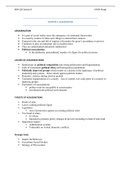
HRM3706
Assignment 3 Semester 2 2025
Unique #

Due Date: 30 September 2025

Detailed solutions, explanations, workings
and references.

+27 81 278 3372

, QUESTION 1

1.1.

Job Analysis Process
Job analysis is the process of collecting and examining detailed information about
the key components of a specific job. This includes understanding the activities,
tasks, responsibilities, processes, and outputs associated with the job. It also
identifies the knowledge, skills, and abilities (KSAs) required for successful
performance. The results of this process are usually compiled into two formal
outputs: the job description and the job specification (Moosa & Meyer, 2020).

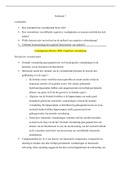
Role of Job Analysis in Performance Management
Job analysis plays a foundational role in performance management because it
determines what needs to be evaluated. Without a proper job analysis, managers will
not have a clear understanding of the expected duties, outputs, or behaviours linked
to a specific job. This makes it difficult to measure or assess performance accurately.

Firstly, job analysis provides the necessary information for defining performance
standards. Through it, managers and employees understand what outcomes and
behaviours are expected. This is especially critical during the performance planning
stage, where expectations and developmental goals are agreed upon. Without this,
employees would be unsure of what is expected of them, and managers would lack
clear benchmarks for evaluation.

Secondly, job analysis supports fairness and legal compliance in the performance
appraisal process. Since it ensures evaluations are based on objective job-related
criteria, it helps reduce bias and improves consistency in ratings across employees
holding the same job roles (Moosa & Meyer, 2020).

Thirdly, job analysis helps identify training and development needs. When
performance gaps are identified, it becomes easier to trace whether those gaps arise
due to a lack of required skills or knowledge. This insight is valuable for aligning
performance with learning and development plans.

Finally, job analysis helps link individual job roles to organisational goals. By
clarifying the purpose and responsibilities of each role, job descriptions developed


Varsity Cube 2025 +27 81 278 3372

$3.05
Accede al documento completo:

100% de satisfacción garantizada
Inmediatamente disponible después del pago
Tanto en línea como en PDF
No estas atado a nada

Conoce al vendedor

Seller avatar
Los indicadores de reputación están sujetos a la cantidad de artículos vendidos por una tarifa y las reseñas que ha recibido por esos documentos. Hay tres niveles: Bronce, Plata y Oro. Cuanto mayor reputación, más podrás confiar en la calidad del trabajo del vendedor.
VarsityC AAA School of Advertising
Seguir Necesitas iniciar sesión para seguir a otros usuarios o asignaturas
Vendido
28681
Miembro desde
8 año
Número de seguidores
13258
Documentos
3117
Última venta
1 semana hace

4.1

2819 reseñas

5
1490
4
581
3
392
2
117
1
239

Recientemente visto por ti

Por qué los estudiantes eligen Stuvia

Creado por compañeros estudiantes, verificado por reseñas

Calidad en la que puedes confiar: escrito por estudiantes que aprobaron y evaluado por otros que han usado estos resúmenes.

¿No estás satisfecho? Elige otro documento

¡No te preocupes! Puedes elegir directamente otro documento que se ajuste mejor a lo que buscas.

Paga como quieras, empieza a estudiar al instante

Sin suscripción, sin compromisos. Paga como estés acostumbrado con tarjeta de crédito y descarga tu documento PDF inmediatamente.

Student with book image

“Comprado, descargado y aprobado. Así de fácil puede ser.”

Alisha Student

Preguntas frecuentes