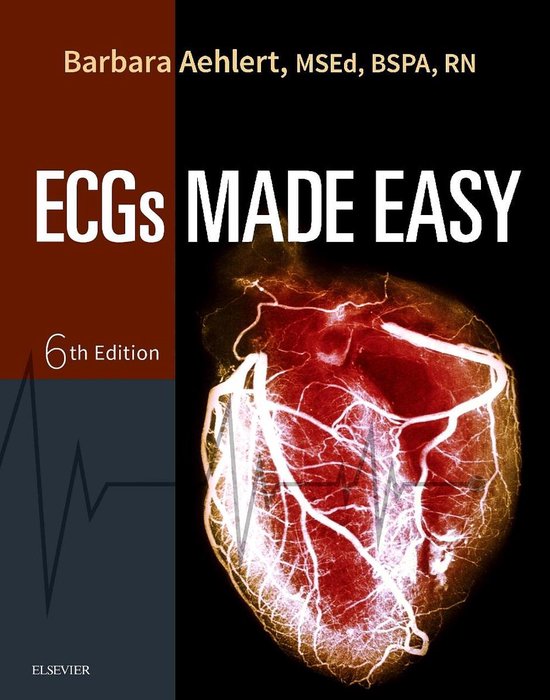
Testbankfor ECGsMadeEasy
c c c c c
7thEdition byBarbara JAehlert
c c c c c
Chapters1-10 c c c
,ECGs Made Easy 7th Edition by Barbara Aehlert TestBank
c c c c c c c c c
Table ofContents:
c c
Chapter1.Anatomy & Physiology
c c c c
Chapter2.Basic Electrophysiology
c c c
Chapter3.Sinus Mechanisms
c c c
Chapter4.AtrialRhythms
c c c
Chapter5.Junctional Rhythms
c c c
Chapter6.VentricularRhythms
c c c
Chapter7.Atrioventricular Blocks
c c c
Chapter8.PacemakerRhythms
c c c
Chapter9.Introduction to the 12-Lead ECG
c c c c c c
Chapter10.Post-Test
c c
,Chapter 01: Anatomy and Physiology
c c c c
Aehlert:ECGsMadeEasy,7thEdition
c c c c c c
MULTIPLECHOICE c
1. The apex of the heart is formed bythe
c c c c c c c c .
a. tip of the leftventricle
c c c c
b. tip of the right atrium
c c c c
c. right atrium and right ventricle c c c c
d. leftatrium and left ventricle
c c c c
ANSWER: A c
Theheart’s apex, or lower portion, is formed bythetip ofthe left ventricle.The apex lies justabove the
c c c c c c c c c c c c c c c c c c c c
diaphragm, between the fifth and sixth ribs, in themidclavicular line.
c c c c c c c c c c c
OBJ: Identifythe surfaces ofthe heart.
c c c c c c
2. The left atrium receives blood from the
c c c c c c .
a. pulmonaryveins c
b. aorta
c. pulmonaryarteries c
d. inferiorvena cava c c
ANSWER: A c
The left atrium receives freshlyoxygenated blood from the lungs via the right and left
c c c c c c c c c c c c c c
pulmonaryveins.
c c
OBJ: Identifyanddescribe the chambers of the heart andthe vessels thatenteror leave each.
c c c c c c c c c c c c c c c c
3. The anterior surface of the heart consists primarilyofthe
c c c c c c c c c .
a. leftatrium c
b. right atrium c
c. leftventricle c
d. right ventricle c
ANSWER: D c
The front (anterior) surface of the heart lies behind the sternum and costal cartilages. It is formed by
c c c c c c c c c c c c c c c c c
portions of the right atrium and the left and right ventricles. However, because the heart is tilted
c c c c c c c c c c c c c c c c c
slightlytoward the left in the chest, the right ventricle is the area of the heart thatlies most directly
c c c c c c c c c c c c c c c c c c c c
behind the sternum.
c c c
OBJ: Identifythe surfaces ofthe heart.
c c c c c c
4. Blood pressureis determined by
c multiplied by c c c c .
a. strokevolume; heart rate c c c
b. heartrate; cardiac output c c c
c. cardiacoutput;peripheralvascularresistance c c c c
d. strokevolume;peripheralvascularresistance c c c c
ANSWER: C c
Bloodpressureisequal to cardiac output multiplied byperipheralvascular resistance.
c c c c c c c c c c c
, OBJ: Identifyandexplainthe components of blood pressure and cardiacoutput.
c c c c c c c c c c c
5. The right atrium receives venousblood fromthe head, neck, and thorax via the ,fromthe
c c c c c c c c c c c c c c c
cremainder of the bodyvia the , and from the heart via the c c c c c c c c c c c .
a. coronarysinus; superior vena cava; inferior vena cava c c c c c c c
b. superior venacava; coronarysinus; inferior vena cava c c c c c c c
c. inferiorvena cava; superiorvena cava; coronarysinus c c c c c c c
d. superior venacava; inferior vena cava; coronarysinus c c c c c c c
ANSWER: D c
The right atrium receives blood low in oxygen from the superior vena cava, which carries blood
c c c c c c c c c c c c c c c
from the head and upper extremities; the inferior vena cava, which carries blood fromthe lower
c c c c c c c c c c c c c c c c
body; and the coronarysinus, which is thelargest vein thatdrains the heart.
c c c c c c c c c c c c c c
OBJ: Identifyanddescribe the chambers of the heart andthe vessels thatenteror leave each.
c c c c c c c c c c c c c c c c
6. The heart is divided into
c c c c chambers but functions as a c c c c -sided pump. c
a. two; four c
b. three;two c
c. four; two c
d. four; three c
ANSWER: C c
The heart has four chambers: two atria and two ventricles.The right and left sidesof theheartare
c c c c c c c c c c c c c c c c c c
separated by an internal wall of connective tissue called a septum. The interatrial septum separates
c c c c c c c c c c c c c c c
the right and left atria. The interventricular septum separates the right and left ventricles. The septa
c c c c c c c c c c c c c c c c
separate the heart into two functional pumps. The right atrium and right ventricle make up one pump.
c c c c c c c c c c c c c c c c c
The left atrium and left ventricle make up the other.
c c c c c c c c c c
OBJ: Identifyanddescribe the chambers of the heart andthe vessels thatenteror leave each.
c c c c c c c c c c c c c c c c
7. Stimulation ofalpha1 receptorsresults in c c c c c .
a. increasedheart rate c c
b. peripheralvasoconstriction c
c. constriction ofbronchial smooth muscle c c c c
d. increasedforce ofmyocardial contraction c c c c
ANSWER: B c
Alpha1receptors arefound intheeyes, blood vessels, bladder,and malereproductiveorgans.
c c c c c c c c c c c c c
Stimulation of alpha1 receptor sites results in constriction.
c c c c c c c c
OBJ: Compareandcontrast theeffectsofsympatheticand parasympatheticstimulation of theheart.
c c c c c c c c c c c c c
8. Whichside of the heart is alow-pressuresystem that pumps venous blood to thelungs?
c c c c c c c c c c c c c c c
a. Left
b. Right
ANSWER: B c
The job of the right side of the heart is to pump unoxygenated blood to and through the lungs tothe left
c c c c c c c c c c c c c c c c c c c c c
sideofthe heart.This is called thepulmonary circulation.The right sideofthe heartis a low-pressure
c c c c c c c c c c c c c c c c c c c
system.
c
c c c c c
7thEdition byBarbara JAehlert
c c c c c
Chapters1-10 c c c
,ECGs Made Easy 7th Edition by Barbara Aehlert TestBank
c c c c c c c c c
Table ofContents:
c c
Chapter1.Anatomy & Physiology
c c c c
Chapter2.Basic Electrophysiology
c c c
Chapter3.Sinus Mechanisms
c c c
Chapter4.AtrialRhythms
c c c
Chapter5.Junctional Rhythms
c c c
Chapter6.VentricularRhythms
c c c
Chapter7.Atrioventricular Blocks
c c c
Chapter8.PacemakerRhythms
c c c
Chapter9.Introduction to the 12-Lead ECG
c c c c c c
Chapter10.Post-Test
c c
,Chapter 01: Anatomy and Physiology
c c c c
Aehlert:ECGsMadeEasy,7thEdition
c c c c c c
MULTIPLECHOICE c
1. The apex of the heart is formed bythe
c c c c c c c c .
a. tip of the leftventricle
c c c c
b. tip of the right atrium
c c c c
c. right atrium and right ventricle c c c c
d. leftatrium and left ventricle
c c c c
ANSWER: A c
Theheart’s apex, or lower portion, is formed bythetip ofthe left ventricle.The apex lies justabove the
c c c c c c c c c c c c c c c c c c c c
diaphragm, between the fifth and sixth ribs, in themidclavicular line.
c c c c c c c c c c c
OBJ: Identifythe surfaces ofthe heart.
c c c c c c
2. The left atrium receives blood from the
c c c c c c .
a. pulmonaryveins c
b. aorta
c. pulmonaryarteries c
d. inferiorvena cava c c
ANSWER: A c
The left atrium receives freshlyoxygenated blood from the lungs via the right and left
c c c c c c c c c c c c c c
pulmonaryveins.
c c
OBJ: Identifyanddescribe the chambers of the heart andthe vessels thatenteror leave each.
c c c c c c c c c c c c c c c c
3. The anterior surface of the heart consists primarilyofthe
c c c c c c c c c .
a. leftatrium c
b. right atrium c
c. leftventricle c
d. right ventricle c
ANSWER: D c
The front (anterior) surface of the heart lies behind the sternum and costal cartilages. It is formed by
c c c c c c c c c c c c c c c c c
portions of the right atrium and the left and right ventricles. However, because the heart is tilted
c c c c c c c c c c c c c c c c c
slightlytoward the left in the chest, the right ventricle is the area of the heart thatlies most directly
c c c c c c c c c c c c c c c c c c c c
behind the sternum.
c c c
OBJ: Identifythe surfaces ofthe heart.
c c c c c c
4. Blood pressureis determined by
c multiplied by c c c c .
a. strokevolume; heart rate c c c
b. heartrate; cardiac output c c c
c. cardiacoutput;peripheralvascularresistance c c c c
d. strokevolume;peripheralvascularresistance c c c c
ANSWER: C c
Bloodpressureisequal to cardiac output multiplied byperipheralvascular resistance.
c c c c c c c c c c c
, OBJ: Identifyandexplainthe components of blood pressure and cardiacoutput.
c c c c c c c c c c c
5. The right atrium receives venousblood fromthe head, neck, and thorax via the ,fromthe
c c c c c c c c c c c c c c c
cremainder of the bodyvia the , and from the heart via the c c c c c c c c c c c .
a. coronarysinus; superior vena cava; inferior vena cava c c c c c c c
b. superior venacava; coronarysinus; inferior vena cava c c c c c c c
c. inferiorvena cava; superiorvena cava; coronarysinus c c c c c c c
d. superior venacava; inferior vena cava; coronarysinus c c c c c c c
ANSWER: D c
The right atrium receives blood low in oxygen from the superior vena cava, which carries blood
c c c c c c c c c c c c c c c
from the head and upper extremities; the inferior vena cava, which carries blood fromthe lower
c c c c c c c c c c c c c c c c
body; and the coronarysinus, which is thelargest vein thatdrains the heart.
c c c c c c c c c c c c c c
OBJ: Identifyanddescribe the chambers of the heart andthe vessels thatenteror leave each.
c c c c c c c c c c c c c c c c
6. The heart is divided into
c c c c chambers but functions as a c c c c -sided pump. c
a. two; four c
b. three;two c
c. four; two c
d. four; three c
ANSWER: C c
The heart has four chambers: two atria and two ventricles.The right and left sidesof theheartare
c c c c c c c c c c c c c c c c c c
separated by an internal wall of connective tissue called a septum. The interatrial septum separates
c c c c c c c c c c c c c c c
the right and left atria. The interventricular septum separates the right and left ventricles. The septa
c c c c c c c c c c c c c c c c
separate the heart into two functional pumps. The right atrium and right ventricle make up one pump.
c c c c c c c c c c c c c c c c c
The left atrium and left ventricle make up the other.
c c c c c c c c c c
OBJ: Identifyanddescribe the chambers of the heart andthe vessels thatenteror leave each.
c c c c c c c c c c c c c c c c
7. Stimulation ofalpha1 receptorsresults in c c c c c .
a. increasedheart rate c c
b. peripheralvasoconstriction c
c. constriction ofbronchial smooth muscle c c c c
d. increasedforce ofmyocardial contraction c c c c
ANSWER: B c
Alpha1receptors arefound intheeyes, blood vessels, bladder,and malereproductiveorgans.
c c c c c c c c c c c c c
Stimulation of alpha1 receptor sites results in constriction.
c c c c c c c c
OBJ: Compareandcontrast theeffectsofsympatheticand parasympatheticstimulation of theheart.
c c c c c c c c c c c c c
8. Whichside of the heart is alow-pressuresystem that pumps venous blood to thelungs?
c c c c c c c c c c c c c c c
a. Left
b. Right
ANSWER: B c
The job of the right side of the heart is to pump unoxygenated blood to and through the lungs tothe left
c c c c c c c c c c c c c c c c c c c c c
sideofthe heart.This is called thepulmonary circulation.The right sideofthe heartis a low-pressure
c c c c c c c c c c c c c c c c c c c
system.
c