SV The history of management:
a global perspective
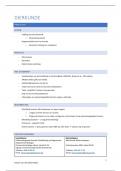
Inhoudsopgave
1 Introduction.........................................................................................................................................1
2 Classical management movement.......................................................................................................1
2.1 Scientific management.................................................................................................................2
2.2 General administrative management...........................................................................................3
3 Behavioural management movement.................................................................................................6
3.1 Human relations.......................................................................................................................6
4 Quantitative management movement................................................................................................9
5 Modern management movement.....................................................................................................10
5.1 The process approach.................................................................................................................10
5.2 The systems approach................................................................................................................10
5.3 The contingency approach..........................................................................................................12
5.4 Strategic management................................................................................................................12
5.5 Japanese management approach...............................................................................................15
5.6 The excellence approach............................................................................................................16
6 Conclusion.........................................................................................................................................16
1 Introduction
Key of successful management:
the ability to understand and apply modern management principles and techniques effectively
Managers must develop:
In-depth knowledge of past and present
o Models
o Theories
o Processes
In order to manage effectively and intelligently
Definition ‘management’
Socrates
o ‘ a skill separate from technical knowledge and experience’
Plato
o ‘a separate art and promoted principles of organisation
2 Classical management movement
1885-1940
1
, Work in factories, home or small shops
Provide rational and scientific basis for the management of organisations
Industrialization created need for
o Efficient planning;
o Organising;
o Influencing;
o Controlling
o All work activities
Two fundamental trusts
o Scientific management
Improve productivity
o General administrative management
Examines organisations as total entities
Focuses on ways to make them more effective and efficient
Now
o Renewed interest as a method to
Reduce costs
Increase productivity
Re-examine organisational efficiency and effectiveness
2.1 Scientific management
Several management techniques:
Market research and forecasting
Planned machine layout and work flow requirements
…
Accounting and cost analysis: statistical records and control systems that could calculate profits,
costs for each machine
Personnel: training and programmes
Robert Owen
Father of modern personnel management
Improved working conditions
Raising minimum wage
Providing meals
…
Charles Babbage
Mutual interest could exist between workers and owners of factories
Profit-sharing system whereby workers could profit form their productivity
Henry Varnum
Need for effective management
20th century: new concerns for productivity
Businesses were expanding, money was available
Labour was in short supply
2
a global perspective
Inhoudsopgave
1 Introduction.........................................................................................................................................1
2 Classical management movement.......................................................................................................1
2.1 Scientific management.................................................................................................................2
2.2 General administrative management...........................................................................................3
3 Behavioural management movement.................................................................................................6
3.1 Human relations.......................................................................................................................6
4 Quantitative management movement................................................................................................9
5 Modern management movement.....................................................................................................10
5.1 The process approach.................................................................................................................10
5.2 The systems approach................................................................................................................10
5.3 The contingency approach..........................................................................................................12
5.4 Strategic management................................................................................................................12
5.5 Japanese management approach...............................................................................................15
5.6 The excellence approach............................................................................................................16
6 Conclusion.........................................................................................................................................16
1 Introduction
Key of successful management:
the ability to understand and apply modern management principles and techniques effectively
Managers must develop:
In-depth knowledge of past and present
o Models
o Theories
o Processes
In order to manage effectively and intelligently
Definition ‘management’
Socrates
o ‘ a skill separate from technical knowledge and experience’
Plato
o ‘a separate art and promoted principles of organisation
2 Classical management movement
1885-1940
1
, Work in factories, home or small shops
Provide rational and scientific basis for the management of organisations
Industrialization created need for
o Efficient planning;
o Organising;
o Influencing;
o Controlling
o All work activities
Two fundamental trusts
o Scientific management
Improve productivity
o General administrative management
Examines organisations as total entities
Focuses on ways to make them more effective and efficient
Now
o Renewed interest as a method to
Reduce costs
Increase productivity
Re-examine organisational efficiency and effectiveness
2.1 Scientific management
Several management techniques:
Market research and forecasting
Planned machine layout and work flow requirements
…
Accounting and cost analysis: statistical records and control systems that could calculate profits,
costs for each machine
Personnel: training and programmes
Robert Owen
Father of modern personnel management
Improved working conditions
Raising minimum wage
Providing meals
…
Charles Babbage
Mutual interest could exist between workers and owners of factories
Profit-sharing system whereby workers could profit form their productivity
Henry Varnum
Need for effective management
20th century: new concerns for productivity
Businesses were expanding, money was available
Labour was in short supply
2