BURNS PEDIATRIC FINAL EXAM STUDY
CORRECT ANSWERS|LATEST 2025/2026|GRADED
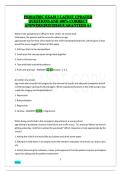
2. The primary care pediatric nurse practitioner understands that, to achieve the greatest worl
B B B B B B B B B B B B B
d-wide
reduction in child mortality from pneumonia and diarrhea, which intervention is most effectiv
B B B B B B B B B B B B
e?
a. Antibiotics
B
b. Optimal nutrition
B B
c. Vaccinations
B
d. Water purification - ANSWER-
B B B B ANS: C B
Rotavirus is the most common cause of diarrhea globally and Strep pneumonia is the leading c
B B B B B B B B B B B B B B B
ause of
B
pneumonia, and together these are the leading infectious causes of childhood morbidity and
B B B B B B B B B B B B B
mortality
globally. Both are vaccine-
B B B
preventable diseases. Antibiotics to treat pneumonia, optimal nutrition, and
B B B B B B B B
clean water all help to reduce morbidity and mortality, but vaccination prevents the diseases f
B B B B B B B B B B B B B B
rom
occurring.
5. The primary care pediatric nurse practitioner is evaluating health literacy in the mother of a
B B B B B B B B B B B B B B B B
new
preschool-age child. How will the nurse practitioner assess this?
B B B B B B B B
a. Ask the child how many books he has at home.
B B B B B B B B B B
b. Ask the mother about her highest grade in school.
B B B B B B B B B
c. Ask the mother to determine the correct dose of a drug from a label.
B B B B B B B B B B B B B B
d. Ask the mother to read a health information handout aloud. - ANSWER-
B B B B B B B B B B B B ANS: A B
1
Wicky
,The "newest vital sign," or health literacy, can be determined quickly by asking the parent how
B B B B B B B B B B B B B B B
many
B
children's books are in the home. Greater than 10 books in the home is an independent positi
B B B B B B B B B B B B B B B B
ve predictorB
of adequate parent health literacy. The other questions may determine a specific level of litera
B B B B B B B B B B B B B B
cy in B
general but are not as efficient. B B B B B
12. The primary care pediatric nurse practitioner is performing a well child assessment on an a
B B B B B B B B B B B B B B B
dolescent
and is concerned about possible alcohol and tobacco use. Which assessment tool will the nurs
B B B B B B B B B B B B B B
e
practitioner use? B
a. CRAFFT
B
b. HEEADSSS
B
c. PHQ-2
B
d. RAAPS - ANSWER-
B B B ANS: A B
The CRAFFT tool is a six-
B B B B B
question tool used to screen for adolescent substance abuse. The HEEADSSS
B B B B B B B B B B
is used as a psychosocial screening tool. The PHQ-
B B B B B B B B
2 is a rapid screen for depression. The RAAPS is used
B B B B B B B B B B
to assess risk behaviors that contribute to most morbidity, mortality, and social problems in te
B B B B B B B B B B B B B B
ens.
9. The primary care pediatric nurse practitioner prescribes a twice daily inhaled corticosteroid
B B B B B B B B B B B B B
for a 12- B B
year-
old child. At a well child visit, the child reports not using the medication on a regular basis.
B B B B B B B B B B B B B B B B B
Which response by the pediatric nurse practitioner demonstrates an understanding of client-
B B B B B B B B B B B
centered
care?
2
Wicky
,a. Asking the child to describe usual daily routines and schedules
B B B B B B B B B B
b. Referring the family to a social worker to help with medication compliance
B B B B B B B B B B B B
c. Reviewing the asthma action plan with the parent and the child
B B B B B B B B B B B
d. Teaching the child how the medication will help to control asthma symptoms - ANSWER-
B B B B B B B B B B B B B B
ANS: A B
In a client-
B B
centered relationship, there is reciprocal communication and understanding. The PNP should
B B B B B B B B B B
be able to understand the client's perspective and unique situation. The first step is to evaluat
B B B B B B B B B B B B B B B
e possible
B
reasons for nonadherence and not to make referrals or re-
B B B B B B B B B
educate until potential barriers have been
B B B B B
identified and negotiation with the client has occurred.
B B B B B B B
8. The primary care pediatric nurse practitioner performs a physical examination on a 9-
B B B B B B B B B B B B B
month-old infant B
and notes two central incisors on the lower gums. The parent states that the infant nurses, tak
B B B B B B B B B B B B B B B B
es solid
B
foods three times daily, and occasionally takes water from a cup. What will the pediatric nurse
B B B B B B B B B B B B B B B
practitioner counsel the parent to promote optimum dental health?
B B B B B B B B
a. To begin brushing the infant's teeth with toothpaste
B B B B B B B B
b. To consider weaning the infant from breastfeeding
B B B B B B B
c. To discontinue giving fluoride supplements
B B B B B
d. To make an appointment for an initial dental examination - ANSWER-
B B B B B B B B B B B ANS: D B
The American Academy of Pediatric Dentistry recommends a first dental examination at the ti
B B B B B B B B B B B B B
me of B
eruption of the first tooth and no later than 12 months old. Parents should be counseled to cle
B B B B B B B B B B B B B B B B B
an the B
infant's teeth but with water only. Weaning from breastfeeding is not indicated, although mot
B B B B B B B B B B B B B
hers should B
not let the infant nurse while sleeping to prevent milk from bathing the teeth. Fluoride supple
B B B B B B B B B B B B B B B
ments
3
Wicky
, should not be discontinued.
B B B
2. The parent of a newborn infant asks the primary care pediatric nurse practitioner when to i
B B B B B B B B B B B B B B B B
ntervene to B
help the infant's future intellectual growth. What will the nurse practitioner tell the parent?
B B B B B B B B B B B B B
a. Cognitive learning begins during the toddler years.
B B B B B B B
b. Intellectual growth begin when speech develops.
B B B B B B
c. Language and literacy skills begin at birth.
B B B B B B B
d. Preschool is an optimal time to begin general learning. - ANSWER-
B B B B B B B B B B B ANS: C B
General learning and acquisition of skills for later reading and writing begin at birth, not in kin
B B B B B B B B B B B B B B B B
dergarten
or first grade, and these skills grow with everyday loving interactions between infants and care
B B B B B B B B B B B B B B
givers.
Cognitive learning changes during toddler years but begins at birth. Intellectual growth is not t
B B B B B B B B B B B B B B
ied to B
speech alone. B
3. During an assessment of a 4-week-
B B B B B B
old infant, the primary care pediatric nurse practitioner learns that a
B B B B B B B B B B
breastfed infant nurses every 2 hours during the day but is able to sleep for a 4-
B B B B B B B B B B B B B B B B
hour period during the
B B B
night. The infant has gained 20 grams per day in the interval since last seen in the clinic. What
B B B B B B B B B B B B B B B B B B B
will the B
nurse practitioner recommend?
B B
a. Continuing to nurse the infant using the current pattern
B B B B B B B B B
b. Nursing the infant for longer periods every 4 hours
B B B B B B B B B
c. Supplementing with formula at the last nighttime feeding
B B B B B B B B
d. Waking the infant every 2 hours to nurse during the night - ANSWER-
B B B B B B B B B B B B B ANS: A B
Infants who are encouraged to breastfeed every 2 to 3 hours may have one longer stretch of 4
B B B B B B B B B B B B B B B B B B
hours at B
4
Wicky
CORRECT ANSWERS|LATEST 2025/2026|GRADED
2. The primary care pediatric nurse practitioner understands that, to achieve the greatest worl
B B B B B B B B B B B B B
d-wide
reduction in child mortality from pneumonia and diarrhea, which intervention is most effectiv
B B B B B B B B B B B B
e?
a. Antibiotics
B
b. Optimal nutrition
B B
c. Vaccinations
B
d. Water purification - ANSWER-
B B B B ANS: C B
Rotavirus is the most common cause of diarrhea globally and Strep pneumonia is the leading c
B B B B B B B B B B B B B B B
ause of
B
pneumonia, and together these are the leading infectious causes of childhood morbidity and
B B B B B B B B B B B B B
mortality
globally. Both are vaccine-
B B B
preventable diseases. Antibiotics to treat pneumonia, optimal nutrition, and
B B B B B B B B
clean water all help to reduce morbidity and mortality, but vaccination prevents the diseases f
B B B B B B B B B B B B B B
rom
occurring.
5. The primary care pediatric nurse practitioner is evaluating health literacy in the mother of a
B B B B B B B B B B B B B B B B
new
preschool-age child. How will the nurse practitioner assess this?
B B B B B B B B
a. Ask the child how many books he has at home.
B B B B B B B B B B
b. Ask the mother about her highest grade in school.
B B B B B B B B B
c. Ask the mother to determine the correct dose of a drug from a label.
B B B B B B B B B B B B B B
d. Ask the mother to read a health information handout aloud. - ANSWER-
B B B B B B B B B B B B ANS: A B
1
Wicky
,The "newest vital sign," or health literacy, can be determined quickly by asking the parent how
B B B B B B B B B B B B B B B
many
B
children's books are in the home. Greater than 10 books in the home is an independent positi
B B B B B B B B B B B B B B B B
ve predictorB
of adequate parent health literacy. The other questions may determine a specific level of litera
B B B B B B B B B B B B B B
cy in B
general but are not as efficient. B B B B B
12. The primary care pediatric nurse practitioner is performing a well child assessment on an a
B B B B B B B B B B B B B B B
dolescent
and is concerned about possible alcohol and tobacco use. Which assessment tool will the nurs
B B B B B B B B B B B B B B
e
practitioner use? B
a. CRAFFT
B
b. HEEADSSS
B
c. PHQ-2
B
d. RAAPS - ANSWER-
B B B ANS: A B
The CRAFFT tool is a six-
B B B B B
question tool used to screen for adolescent substance abuse. The HEEADSSS
B B B B B B B B B B
is used as a psychosocial screening tool. The PHQ-
B B B B B B B B
2 is a rapid screen for depression. The RAAPS is used
B B B B B B B B B B
to assess risk behaviors that contribute to most morbidity, mortality, and social problems in te
B B B B B B B B B B B B B B
ens.
9. The primary care pediatric nurse practitioner prescribes a twice daily inhaled corticosteroid
B B B B B B B B B B B B B
for a 12- B B
year-
old child. At a well child visit, the child reports not using the medication on a regular basis.
B B B B B B B B B B B B B B B B B
Which response by the pediatric nurse practitioner demonstrates an understanding of client-
B B B B B B B B B B B
centered
care?
2
Wicky
,a. Asking the child to describe usual daily routines and schedules
B B B B B B B B B B
b. Referring the family to a social worker to help with medication compliance
B B B B B B B B B B B B
c. Reviewing the asthma action plan with the parent and the child
B B B B B B B B B B B
d. Teaching the child how the medication will help to control asthma symptoms - ANSWER-
B B B B B B B B B B B B B B
ANS: A B
In a client-
B B
centered relationship, there is reciprocal communication and understanding. The PNP should
B B B B B B B B B B
be able to understand the client's perspective and unique situation. The first step is to evaluat
B B B B B B B B B B B B B B B
e possible
B
reasons for nonadherence and not to make referrals or re-
B B B B B B B B B
educate until potential barriers have been
B B B B B
identified and negotiation with the client has occurred.
B B B B B B B
8. The primary care pediatric nurse practitioner performs a physical examination on a 9-
B B B B B B B B B B B B B
month-old infant B
and notes two central incisors on the lower gums. The parent states that the infant nurses, tak
B B B B B B B B B B B B B B B B
es solid
B
foods three times daily, and occasionally takes water from a cup. What will the pediatric nurse
B B B B B B B B B B B B B B B
practitioner counsel the parent to promote optimum dental health?
B B B B B B B B
a. To begin brushing the infant's teeth with toothpaste
B B B B B B B B
b. To consider weaning the infant from breastfeeding
B B B B B B B
c. To discontinue giving fluoride supplements
B B B B B
d. To make an appointment for an initial dental examination - ANSWER-
B B B B B B B B B B B ANS: D B
The American Academy of Pediatric Dentistry recommends a first dental examination at the ti
B B B B B B B B B B B B B
me of B
eruption of the first tooth and no later than 12 months old. Parents should be counseled to cle
B B B B B B B B B B B B B B B B B
an the B
infant's teeth but with water only. Weaning from breastfeeding is not indicated, although mot
B B B B B B B B B B B B B
hers should B
not let the infant nurse while sleeping to prevent milk from bathing the teeth. Fluoride supple
B B B B B B B B B B B B B B B
ments
3
Wicky
, should not be discontinued.
B B B
2. The parent of a newborn infant asks the primary care pediatric nurse practitioner when to i
B B B B B B B B B B B B B B B B
ntervene to B
help the infant's future intellectual growth. What will the nurse practitioner tell the parent?
B B B B B B B B B B B B B
a. Cognitive learning begins during the toddler years.
B B B B B B B
b. Intellectual growth begin when speech develops.
B B B B B B
c. Language and literacy skills begin at birth.
B B B B B B B
d. Preschool is an optimal time to begin general learning. - ANSWER-
B B B B B B B B B B B ANS: C B
General learning and acquisition of skills for later reading and writing begin at birth, not in kin
B B B B B B B B B B B B B B B B
dergarten
or first grade, and these skills grow with everyday loving interactions between infants and care
B B B B B B B B B B B B B B
givers.
Cognitive learning changes during toddler years but begins at birth. Intellectual growth is not t
B B B B B B B B B B B B B B
ied to B
speech alone. B
3. During an assessment of a 4-week-
B B B B B B
old infant, the primary care pediatric nurse practitioner learns that a
B B B B B B B B B B
breastfed infant nurses every 2 hours during the day but is able to sleep for a 4-
B B B B B B B B B B B B B B B B
hour period during the
B B B
night. The infant has gained 20 grams per day in the interval since last seen in the clinic. What
B B B B B B B B B B B B B B B B B B B
will the B
nurse practitioner recommend?
B B
a. Continuing to nurse the infant using the current pattern
B B B B B B B B B
b. Nursing the infant for longer periods every 4 hours
B B B B B B B B B
c. Supplementing with formula at the last nighttime feeding
B B B B B B B B
d. Waking the infant every 2 hours to nurse during the night - ANSWER-
B B B B B B B B B B B B B ANS: A B
Infants who are encouraged to breastfeed every 2 to 3 hours may have one longer stretch of 4
B B B B B B B B B B B B B B B B B B
hours at B
4
Wicky