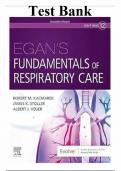
Introductory Maternity and Pediatric Nursing
x x x x x
4th Edition Hatfield Test Bank
x x x x
Introductory Maternity and Pediatric Nursing 4th Edition Hatfield Test Bank
x
Test Bank Introductory Maternity and Pediatric Nursing 4th
Edition
Synopsis
This is NOT a book!
This is a Test Bank (Study Questions) to help you study for your Tests.
No delay, the download is quick andxinstantaneous right after you checkout! Test banks can give you t
he tools you need toxhelp you study better
Tablexof Content
Chapterx1: The Nurse’s Role in axChanging Maternal‚ÄìChild Health Care Environment
Chapter 2: Family-Centered and Community-
Based Maternal and Pediatric Nursing Chapter 3: Structure and Function of the Repro
ductive System
Chapter 4: Special Issues of Women’s Health Care andxReproduction
Chapter 5: Fetal Development
Chapter 6: Maternal Adaptation duringxPregnancy Chap
ter 7: Prenatal Care
, Introductory Maternity and Pediatric Nursing
x x x x x
4th Edition Hatfield Test Bank
x x x x
Chapter 8: The Labor Process
Chapter 9: Pain ManagementxduringxLabor and Birth C
hapter 10: Nursing Care during Labor and BirthxChapte
r 11: Assisted Delivery andxCesarean Birth Chapter 12: T
he Postpartum Woman
Chapter 13: Nursing Assessmentxof Newborn Transition
Chapter 14: Nursing Care of the Normal Newborn
, Introductory Maternity and Pediatric Nursing
x x x x x
4th Edition Hatfield Test Bank
x x x x
Chapter 15: Newborn Nutrition
Chapter 16: Pregnancy at Risk: Conditions that Complicate Pregnancy
Chapter 17: Pregnancy at Risk: Pregnancy-
Related Complications Chapter 18: Labor at Risk
Chapter 19: Postpartum Woman atxRisk
Chapter 20: The Newbornxat Risk: Gestational and Acquired Disorders
Chapter 21: The Newborn at Risk: Congenital Disorders
Chapterx22: Principles of Growth and Development
Chapter 23:Growth and Developmentxof thexInfant: 28 Days to 1 Year Ch
apterx24:Growth and Development of the Toddler: 1 to 3 Years Chapter 2
5:Growth and Development of the Preschool Child: 3 to 6 Years
Chapterx26:Growth and Development of the School-
Aged Child: 6 to 10 Years Chapter 27:Growth and Development of the Adolesc
ent: 11 to 18 Years Chapter 28: DataxCollection (Assessment) forxthe Child
Chapterx29: Care of the Hospitalized Child Chapt
erx30: Procedures and Treatments
Chapter 31: Medication Administration and Intravenous Therapy Chap
ter 32: The Child withxa Chronic Health Problem
Chapter 33: Abuse in the Family and Community Chapt
er 34: The DyingxChild
Chapter 35: The Child with axSensory/Neurologic Disorder C
hapter 36: The Child with axRespiratory Disorder
Chapter 37: The Child with a Cardiovascular/Hematologic Disorder Ch
apter 38: The Child with a Gastrointestinal/Endocrine Disorder Chapt
er 39: The Child with a Genitourinary Disorder
Chapterx40: The Child with axMusculoskeletal Disorder
Chapterx41: The Childxwith an Integumentary Disorder/Communicable Disease Chapte
rx42: The Child with a Psychosocial Disorder
Chapter 1: The Nurse's Role in a Changing Maternal–Child Health Care Environment
MULTIPLE CHOICE
1. Which principle of teaching shouldxthe nurse use to ensurexlearning in a family situation?
a. Motivate the family with praise and positive feedback.
b. Learning is best accomplished with the lecture format.
c. Present complex subject material first while the family is alert and ready to learn.
d. Families should be taught using medical jargon so they will be able to understand t
he technical language used by physicians.
ANS: A
Praise and positive feedbackxare particularly important when a family is trying to master a frustrat
, Introductory Maternity and Pediatric Nursing s
x x x x x
2 4th Edition Hatfield Test Bank
x x x x
ing task such as breastfeeding. A lively discussion stimulates more learning than a straight lecture
, which tends to inhibit questions. Learning is enhanced when the teaching is structured to present
the simple tasks beforexthe complex material. Even though a family may
x x x x x
4th Edition Hatfield Test Bank
x x x x
Introductory Maternity and Pediatric Nursing 4th Edition Hatfield Test Bank
x
Test Bank Introductory Maternity and Pediatric Nursing 4th
Edition
Synopsis
This is NOT a book!
This is a Test Bank (Study Questions) to help you study for your Tests.
No delay, the download is quick andxinstantaneous right after you checkout! Test banks can give you t
he tools you need toxhelp you study better
Tablexof Content
Chapterx1: The Nurse’s Role in axChanging Maternal‚ÄìChild Health Care Environment
Chapter 2: Family-Centered and Community-
Based Maternal and Pediatric Nursing Chapter 3: Structure and Function of the Repro
ductive System
Chapter 4: Special Issues of Women’s Health Care andxReproduction
Chapter 5: Fetal Development
Chapter 6: Maternal Adaptation duringxPregnancy Chap
ter 7: Prenatal Care
, Introductory Maternity and Pediatric Nursing
x x x x x
4th Edition Hatfield Test Bank
x x x x
Chapter 8: The Labor Process
Chapter 9: Pain ManagementxduringxLabor and Birth C
hapter 10: Nursing Care during Labor and BirthxChapte
r 11: Assisted Delivery andxCesarean Birth Chapter 12: T
he Postpartum Woman
Chapter 13: Nursing Assessmentxof Newborn Transition
Chapter 14: Nursing Care of the Normal Newborn
, Introductory Maternity and Pediatric Nursing
x x x x x
4th Edition Hatfield Test Bank
x x x x
Chapter 15: Newborn Nutrition
Chapter 16: Pregnancy at Risk: Conditions that Complicate Pregnancy
Chapter 17: Pregnancy at Risk: Pregnancy-
Related Complications Chapter 18: Labor at Risk
Chapter 19: Postpartum Woman atxRisk
Chapter 20: The Newbornxat Risk: Gestational and Acquired Disorders
Chapter 21: The Newborn at Risk: Congenital Disorders
Chapterx22: Principles of Growth and Development
Chapter 23:Growth and Developmentxof thexInfant: 28 Days to 1 Year Ch
apterx24:Growth and Development of the Toddler: 1 to 3 Years Chapter 2
5:Growth and Development of the Preschool Child: 3 to 6 Years
Chapterx26:Growth and Development of the School-
Aged Child: 6 to 10 Years Chapter 27:Growth and Development of the Adolesc
ent: 11 to 18 Years Chapter 28: DataxCollection (Assessment) forxthe Child
Chapterx29: Care of the Hospitalized Child Chapt
erx30: Procedures and Treatments
Chapter 31: Medication Administration and Intravenous Therapy Chap
ter 32: The Child withxa Chronic Health Problem
Chapter 33: Abuse in the Family and Community Chapt
er 34: The DyingxChild
Chapter 35: The Child with axSensory/Neurologic Disorder C
hapter 36: The Child with axRespiratory Disorder
Chapter 37: The Child with a Cardiovascular/Hematologic Disorder Ch
apter 38: The Child with a Gastrointestinal/Endocrine Disorder Chapt
er 39: The Child with a Genitourinary Disorder
Chapterx40: The Child with axMusculoskeletal Disorder
Chapterx41: The Childxwith an Integumentary Disorder/Communicable Disease Chapte
rx42: The Child with a Psychosocial Disorder
Chapter 1: The Nurse's Role in a Changing Maternal–Child Health Care Environment
MULTIPLE CHOICE
1. Which principle of teaching shouldxthe nurse use to ensurexlearning in a family situation?
a. Motivate the family with praise and positive feedback.
b. Learning is best accomplished with the lecture format.
c. Present complex subject material first while the family is alert and ready to learn.
d. Families should be taught using medical jargon so they will be able to understand t
he technical language used by physicians.
ANS: A
Praise and positive feedbackxare particularly important when a family is trying to master a frustrat
, Introductory Maternity and Pediatric Nursing s
x x x x x
2 4th Edition Hatfield Test Bank
x x x x
ing task such as breastfeeding. A lively discussion stimulates more learning than a straight lecture
, which tends to inhibit questions. Learning is enhanced when the teaching is structured to present
the simple tasks beforexthe complex material. Even though a family may