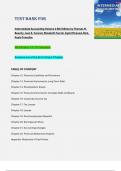
TEST BANK
Advanced Financial Accounting13th
Edition
By Theodore Christensen ALL CHAPTERS 1 TO 20
COVERED
,TABLE OF CONTENT
tititititi
ti ti
PREFACE1. Intercorporate Acquisitions and Investments in Other Entities
ti ti ti ti ti ti ti
2. Reporting Intercorporate Investments and Consolidation of Wholly Owned Subsidiaries with No Differential
ti ti ti ti ti ti ti ti ti ti ti ti
3. The Reporting Entity and the Consolidation of Less-Than-Wholly-Owned Subsidiaries with NoDifferential
ti ti ti ti ti ti ti ti ti ti ti
4. Consolidation of Wholly Owned Subsidiaries Acquired at More Than Book Value
ti ti ti ti ti ti ti ti ti ti ti
5. Consolidation of Less-Than-Wholly-Owned Subsidiaries Acquired at More Than Book Value
ti ti ti ti ti ti ti ti ti ti
6. Intercompany Inventory Transactions
ti ti ti
7. Intercompany Transfers of Services and Noncurrent Assets
ti ti ti ti ti ti ti
8. Intercompany Indebtedness
ti ti
9. Consolidation Ownership Issues
ti ti ti
10. Additional Consolidation Reporting Issues
ti ti ti ti
11. Multinational Accounting: Foreign Currency Transactions and Financial Instruments
ti ti ti ti ti ti ti ti
12. Multinational Accounting: Issues in Financial Reporting and Translation of Foreign Entity Statements
ti ti ti ti ti ti ti ti ti ti ti ti
13. Segment and Interim Reporting
ti ti ti ti
14. SEC Reporting ti ti
15. Partnerships: Formation, Operation, and Changes in Membership
ti ti ti ti ti ti ti
16. Partnerships: Liquidation
ti ti
17. Governmental Entities: Introduction and General Fund Accounting
ti ti ti ti ti ti ti
18. Governmental Entities: Special Funds and Governmentwide Financial Statements
ti ti ti ti ti ti ti ti
19. Not-for-Profit Entities
ti ti
20. Corporations in Financial Difficulty
ti ti ti ti
Chapter 1 ti Intercorporate Acquisitions and Investments in Other Entities t i t i ti t i t i t i
1) Assuming no impairment in value prior to transfer, assets transferred by a parent company toat i t i t i ti ti ti ti ti ti t i ti t i t i ti ti
nother entity it has created should be recorded by the newly created entity at the assets':
ti ti t i ti ti ti ti ti ti ti ti ti ti ti ti
A) cost to the parent company. ti ti ti t i
B) book value on the parent company's books at the date of transfer.
t i ti ti ti t i ti ti ti ti ti ti
C) fair value at the date of transfer. ti ti ti ti ti ti
D) fair value of consideration exchanged bythe newly created entity.
ti ti ti ti ti ti ti ti ti
Answer: B Diffic ti ti
ulty: 1 Easy ti ti
Topic: Internal Expansion: Creating a Business Entity; Valuation of Business Entities Learning
ti ti ti ti ti ti ti ti ti ti ti ti
Objective: 01-
01 Understand and explain the reasons for and different methods of business expansion, the types
ti ti ti ti ti ti ti ti ti ti ti t i ti ti t
of organizational structures, and the types of acquisitions.; 01-
i t i t i ti t i t i t i ti ti ti
03 Make calculations and prepare journal entries for the creation of a business entity.
ti ti ti ti ti ti ti ti ti ti ti ti ti
Bloom's:
Remember AACSB: ti
Reflective ThinkingAICPA:
t i ti ti
FN Decision Making ti ti
2) Given the increased development of complex business structures, which of the followingregul
ti ti ti ti ti ti ti ti ti ti ti ti
ators is responsible for the continued usefulness of accounting reports?
ti ti ti ti ti ti ti ti ti
A) Securities and Exchange Commission (SEC) ti t i t i t i
B) Public Company Accounting Oversight Board (PCAOB) t i t i ti t i ti
C) Financial Accounting Standards Board (FASB) t i t i t i t i
,D) All of the other answers are correct
ti ti ti ti ti ti
Answer: D Diffic ti ti
ulty: 1 Easy
ti ti
Topic: An Introduction to Complex Business Structures
ti t i ti t i t i
Learning Objective: 01- ti
01 Understand and explain the reasons for and different methods ofbusiness expansion, the types
ti ti ti ti ti ti ti ti ti ti ti ti t i ti t
of organizational structures, and the types of acquisitions.
i ti t i ti ti ti ti ti
Bloom's:
Remember AACSB: ti
Reflective ThinkingAICPA:
t i ti ti
FN Reporting ti
3) A business combination in which the acquired company's assets and liabilities are combinedwith t
ti ti ti ti ti ti ti ti ti ti ti ti ti ti
hose of the acquiring company into a single entity is defined as:
ti ti ti ti ti ti ti ti ti ti ti
A) Stock acquisition ti
B) Leveraged buyout ti
C) Statutory Merger ti
D) Reverse statutory rollup t i ti
, Answer: C Diffic ti ti
ulty: 1 Easy ti ti
Topic: Organizational Structure and Financial Reporting t i t i t i ti
Learning Objective: 01- ti
04 Understand and explain the differences between different forms ofbusiness combinations.
ti ti ti ti ti ti ti ti ti ti ti
Bloom's:
Remember AACSB: ti
Reflective ThinkingAICPA:
t i ti ti
FN Decision Making ti ti
4) In which of the following situations do accounting standards not require that the financials
ti ti ti t i t i ti t i t i ti ti t i t i t i ti
tatements of the parent and subsidiary be consolidated? ti ti ti ti ti ti ti
A) Acorporation creates a new 100 percent owned subsidiary
ti ti ti ti ti ti ti ti
B) A corporation purchases 90 percent of the voting stock of another company
ti ti ti t i t i ti ti ti t i ti t i
C) A corporation has both control and majority ownership of an unincorporated company
ti t i t i ti ti t i ti t i ti ti t i
D) A corporation owns less-than a controlling interest in an unincorporated company
ti ti t i ti t i t i t i ti ti t i
Answer: D Diffic ti ti
ulty: 1 Easy ti ti
Topic: Organizational Structure and Financial Reporting t i t i t i ti
Learning Objective: 01- ti
01 Understand and explain the reasons for and different methods ofbusiness expansion, the types o
ti ti ti ti ti ti ti ti ti ti ti ti t i ti ti
f organizational structures, and the types of acquisitions.
ti t i ti ti ti ti ti
Bloom's:
Remember AACSB: ti
Reflective ThinkingAICPA:
t i ti ti
FN Decision Making ti ti
During its inception, Devon Company purchased land for $100,000 and a building for $180,000. Afte
ti ti ti ti ti ti ti ti ti ti ti ti ti ti
r exactly 3 years, it transferred these assets and cash of $50,000 to a newly created subsidiary,Regan Co
ti ti ti ti ti ti ti ti ti ti ti ti ti ti ti ti ti ti
mpany, in exchange for 15,000 shares of Regan's $10 par value stock. Devon uses straight-
ti ti ti ti ti ti ti ti ti ti ti ti ti ti
line depreciation. Useful life for the building is 30 years, with zero residual value. An appraisal reve
ti ti ti ti ti ti ti ti ti ti ti ti ti ti ti ti
aled that the building has a fair value of $200,000.
ti ti ti ti ti ti ti ti ti
5) Based on the information provided, at the time of the transfer, Regan Company should record:
t i ti t i ti t i ti ti t i ti t i t i ti t i t i
A) Building at $180,000 and no accumulated depreciation. ti t i ti t i t i t i
B) Building at $162,000 and no accumulated depreciation. ti t i t i t i t i t i
C) Building at $200,000 and accumulated depreciation of $24,000. t i t i t i t i t i t i ti
D) Building at $180,000 and accumulated depreciation of $18,000. t i t i t i t i t i t i ti
Answer: D Difficulty titi ti
: 2 Medium
ti t i
Topic:
Valuation of Business Entities; Accounting for Internal Expansion: Creating Business ti ti ti t i t i t i t i t i t i t
Entities
i
Learning Objective: 01- ti
04 Understand and explain the differences between different forms of business combinations.; 01-
ti ti ti ti ti ti ti ti ti ti ti ti
03 Make calculations and prepare journal entries for the creation of a business entity.
t i t i ti t i t i ti t i t i t i t i ti ti ti
Bloom's:
Understand AACSB ti
: Analytical ThinkingAICPA:
t i ti ti
Advanced Financial Accounting13th
Edition
By Theodore Christensen ALL CHAPTERS 1 TO 20
COVERED
,TABLE OF CONTENT
tititititi
ti ti
PREFACE1. Intercorporate Acquisitions and Investments in Other Entities
ti ti ti ti ti ti ti
2. Reporting Intercorporate Investments and Consolidation of Wholly Owned Subsidiaries with No Differential
ti ti ti ti ti ti ti ti ti ti ti ti
3. The Reporting Entity and the Consolidation of Less-Than-Wholly-Owned Subsidiaries with NoDifferential
ti ti ti ti ti ti ti ti ti ti ti
4. Consolidation of Wholly Owned Subsidiaries Acquired at More Than Book Value
ti ti ti ti ti ti ti ti ti ti ti
5. Consolidation of Less-Than-Wholly-Owned Subsidiaries Acquired at More Than Book Value
ti ti ti ti ti ti ti ti ti ti
6. Intercompany Inventory Transactions
ti ti ti
7. Intercompany Transfers of Services and Noncurrent Assets
ti ti ti ti ti ti ti
8. Intercompany Indebtedness
ti ti
9. Consolidation Ownership Issues
ti ti ti
10. Additional Consolidation Reporting Issues
ti ti ti ti
11. Multinational Accounting: Foreign Currency Transactions and Financial Instruments
ti ti ti ti ti ti ti ti
12. Multinational Accounting: Issues in Financial Reporting and Translation of Foreign Entity Statements
ti ti ti ti ti ti ti ti ti ti ti ti
13. Segment and Interim Reporting
ti ti ti ti
14. SEC Reporting ti ti
15. Partnerships: Formation, Operation, and Changes in Membership
ti ti ti ti ti ti ti
16. Partnerships: Liquidation
ti ti
17. Governmental Entities: Introduction and General Fund Accounting
ti ti ti ti ti ti ti
18. Governmental Entities: Special Funds and Governmentwide Financial Statements
ti ti ti ti ti ti ti ti
19. Not-for-Profit Entities
ti ti
20. Corporations in Financial Difficulty
ti ti ti ti
Chapter 1 ti Intercorporate Acquisitions and Investments in Other Entities t i t i ti t i t i t i
1) Assuming no impairment in value prior to transfer, assets transferred by a parent company toat i t i t i ti ti ti ti ti ti t i ti t i t i ti ti
nother entity it has created should be recorded by the newly created entity at the assets':
ti ti t i ti ti ti ti ti ti ti ti ti ti ti ti
A) cost to the parent company. ti ti ti t i
B) book value on the parent company's books at the date of transfer.
t i ti ti ti t i ti ti ti ti ti ti
C) fair value at the date of transfer. ti ti ti ti ti ti
D) fair value of consideration exchanged bythe newly created entity.
ti ti ti ti ti ti ti ti ti
Answer: B Diffic ti ti
ulty: 1 Easy ti ti
Topic: Internal Expansion: Creating a Business Entity; Valuation of Business Entities Learning
ti ti ti ti ti ti ti ti ti ti ti ti
Objective: 01-
01 Understand and explain the reasons for and different methods of business expansion, the types
ti ti ti ti ti ti ti ti ti ti ti t i ti ti t
of organizational structures, and the types of acquisitions.; 01-
i t i t i ti t i t i t i ti ti ti
03 Make calculations and prepare journal entries for the creation of a business entity.
ti ti ti ti ti ti ti ti ti ti ti ti ti
Bloom's:
Remember AACSB: ti
Reflective ThinkingAICPA:
t i ti ti
FN Decision Making ti ti
2) Given the increased development of complex business structures, which of the followingregul
ti ti ti ti ti ti ti ti ti ti ti ti
ators is responsible for the continued usefulness of accounting reports?
ti ti ti ti ti ti ti ti ti
A) Securities and Exchange Commission (SEC) ti t i t i t i
B) Public Company Accounting Oversight Board (PCAOB) t i t i ti t i ti
C) Financial Accounting Standards Board (FASB) t i t i t i t i
,D) All of the other answers are correct
ti ti ti ti ti ti
Answer: D Diffic ti ti
ulty: 1 Easy
ti ti
Topic: An Introduction to Complex Business Structures
ti t i ti t i t i
Learning Objective: 01- ti
01 Understand and explain the reasons for and different methods ofbusiness expansion, the types
ti ti ti ti ti ti ti ti ti ti ti ti t i ti t
of organizational structures, and the types of acquisitions.
i ti t i ti ti ti ti ti
Bloom's:
Remember AACSB: ti
Reflective ThinkingAICPA:
t i ti ti
FN Reporting ti
3) A business combination in which the acquired company's assets and liabilities are combinedwith t
ti ti ti ti ti ti ti ti ti ti ti ti ti ti
hose of the acquiring company into a single entity is defined as:
ti ti ti ti ti ti ti ti ti ti ti
A) Stock acquisition ti
B) Leveraged buyout ti
C) Statutory Merger ti
D) Reverse statutory rollup t i ti
, Answer: C Diffic ti ti
ulty: 1 Easy ti ti
Topic: Organizational Structure and Financial Reporting t i t i t i ti
Learning Objective: 01- ti
04 Understand and explain the differences between different forms ofbusiness combinations.
ti ti ti ti ti ti ti ti ti ti ti
Bloom's:
Remember AACSB: ti
Reflective ThinkingAICPA:
t i ti ti
FN Decision Making ti ti
4) In which of the following situations do accounting standards not require that the financials
ti ti ti t i t i ti t i t i ti ti t i t i t i ti
tatements of the parent and subsidiary be consolidated? ti ti ti ti ti ti ti
A) Acorporation creates a new 100 percent owned subsidiary
ti ti ti ti ti ti ti ti
B) A corporation purchases 90 percent of the voting stock of another company
ti ti ti t i t i ti ti ti t i ti t i
C) A corporation has both control and majority ownership of an unincorporated company
ti t i t i ti ti t i ti t i ti ti t i
D) A corporation owns less-than a controlling interest in an unincorporated company
ti ti t i ti t i t i t i ti ti t i
Answer: D Diffic ti ti
ulty: 1 Easy ti ti
Topic: Organizational Structure and Financial Reporting t i t i t i ti
Learning Objective: 01- ti
01 Understand and explain the reasons for and different methods ofbusiness expansion, the types o
ti ti ti ti ti ti ti ti ti ti ti ti t i ti ti
f organizational structures, and the types of acquisitions.
ti t i ti ti ti ti ti
Bloom's:
Remember AACSB: ti
Reflective ThinkingAICPA:
t i ti ti
FN Decision Making ti ti
During its inception, Devon Company purchased land for $100,000 and a building for $180,000. Afte
ti ti ti ti ti ti ti ti ti ti ti ti ti ti
r exactly 3 years, it transferred these assets and cash of $50,000 to a newly created subsidiary,Regan Co
ti ti ti ti ti ti ti ti ti ti ti ti ti ti ti ti ti ti
mpany, in exchange for 15,000 shares of Regan's $10 par value stock. Devon uses straight-
ti ti ti ti ti ti ti ti ti ti ti ti ti ti
line depreciation. Useful life for the building is 30 years, with zero residual value. An appraisal reve
ti ti ti ti ti ti ti ti ti ti ti ti ti ti ti ti
aled that the building has a fair value of $200,000.
ti ti ti ti ti ti ti ti ti
5) Based on the information provided, at the time of the transfer, Regan Company should record:
t i ti t i ti t i ti ti t i ti t i t i ti t i t i
A) Building at $180,000 and no accumulated depreciation. ti t i ti t i t i t i
B) Building at $162,000 and no accumulated depreciation. ti t i t i t i t i t i
C) Building at $200,000 and accumulated depreciation of $24,000. t i t i t i t i t i t i ti
D) Building at $180,000 and accumulated depreciation of $18,000. t i t i t i t i t i t i ti
Answer: D Difficulty titi ti
: 2 Medium
ti t i
Topic:
Valuation of Business Entities; Accounting for Internal Expansion: Creating Business ti ti ti t i t i t i t i t i t i t
Entities
i
Learning Objective: 01- ti
04 Understand and explain the differences between different forms of business combinations.; 01-
ti ti ti ti ti ti ti ti ti ti ti ti
03 Make calculations and prepare journal entries for the creation of a business entity.
t i t i ti t i t i ti t i t i t i t i ti ti ti
Bloom's:
Understand AACSB ti
: Analytical ThinkingAICPA:
t i ti ti