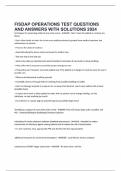
economic system - ANSWER the way a society uses resources to satisfy its
people's wants
traditional economy - ANSWER an economic system in which people produce and
distribute goods according to customs handed down from generation to generation
command economy - ANSWER an economic system in which the government
makes all economic decisions
market economy - ANSWER an economic system in which individual choice and
voluntary exchange direct economic decisions
centrally planned economy - ANSWER a system in which central government
officials make all economic decisions
socialism - ANSWER an economic system in which the government owns some or
all of the factors of production
communism - ANSWER economic system in which the government owns all the
factors of production and there is little to no political freedom
authoritarian - ANSWER systems require absolute obedience to those in power
private property rights - ANSWER are the rights of individuals and groups to own
businesses and resources
market - ANSWER any place where people buy and sell goods and services
laissez faire - ANSWER the principle that the government should not interfere in the
marketplace
capitalism - ANSWER is an economic system that is based on private ownership of
the factors of production
voluntary exchange - ANSWER is a trade in which both traders believe that what
they are getting is worth more than what they are giving up
profit - ANSWER a financial gain that a seller makes from a business transaction
competition - ANSWER involves all the actions sellers, acting independently, do to
get buyers to purchase their products
consumer sovereignty - ANSWER the idea that consumers have the ultimate
control over what is produced because they are free to buy what they want and to
reject what they don't want
, specialization - ANSWER a situation in which people concentrate their efforts in the
activities that they do best
mixed economy - ANSWER an economy that has elements of traditional,
command, and market systems
nationalize - ANSWER means to change from private ownership to government or
public ownership
privatize - ANSWER means to change from government or public ownership to
private ownership
global economy - ANSWER refers to all the economic interactions that cross
international boundaries
Utopia - ANSWER Book by Thomas Moore that describes a society without scarcity
where wants are limited and easily fulfilled. Means "no place" in Greek.
three economic questions - ANSWER 1. What should be produced?
2. How should it be produced?
3. For whom should it be produced?
goal of traditional economy - ANSWER survival
modern-day examples of command economies - ANSWER North Korea, Cuba
5 advantages of traditional economy - ANSWER 1. clearly answers economic
questions
2. produces what best ensures its survival
3. methods of production stay the same
4. systems of distribution are determined by custom and tradition
5. little disagreement over economic goals and roles
4 disadvantages of traditional economy - ANSWER 1. resist change- less
productive than they might be if they adopted new approaches
2. prevent people from doing jobs that they want to do or are best suited to do
3. lower productivity means that people do not acquire the material wealth that
people in other societies do
4. lower standard of living
beliefs of Karl Marx - ANSWER -19th century German philosopher, historian and
economist
-believed that all of history is a struggle between classes
-with means of production owned by the government, the class struggle would be
resolved
Who owns resources in Communism? - ANSWER Government
people's wants
traditional economy - ANSWER an economic system in which people produce and
distribute goods according to customs handed down from generation to generation
command economy - ANSWER an economic system in which the government
makes all economic decisions
market economy - ANSWER an economic system in which individual choice and
voluntary exchange direct economic decisions
centrally planned economy - ANSWER a system in which central government
officials make all economic decisions
socialism - ANSWER an economic system in which the government owns some or
all of the factors of production
communism - ANSWER economic system in which the government owns all the
factors of production and there is little to no political freedom
authoritarian - ANSWER systems require absolute obedience to those in power
private property rights - ANSWER are the rights of individuals and groups to own
businesses and resources
market - ANSWER any place where people buy and sell goods and services
laissez faire - ANSWER the principle that the government should not interfere in the
marketplace
capitalism - ANSWER is an economic system that is based on private ownership of
the factors of production
voluntary exchange - ANSWER is a trade in which both traders believe that what
they are getting is worth more than what they are giving up
profit - ANSWER a financial gain that a seller makes from a business transaction
competition - ANSWER involves all the actions sellers, acting independently, do to
get buyers to purchase their products
consumer sovereignty - ANSWER the idea that consumers have the ultimate
control over what is produced because they are free to buy what they want and to
reject what they don't want
, specialization - ANSWER a situation in which people concentrate their efforts in the
activities that they do best
mixed economy - ANSWER an economy that has elements of traditional,
command, and market systems
nationalize - ANSWER means to change from private ownership to government or
public ownership
privatize - ANSWER means to change from government or public ownership to
private ownership
global economy - ANSWER refers to all the economic interactions that cross
international boundaries
Utopia - ANSWER Book by Thomas Moore that describes a society without scarcity
where wants are limited and easily fulfilled. Means "no place" in Greek.
three economic questions - ANSWER 1. What should be produced?
2. How should it be produced?
3. For whom should it be produced?
goal of traditional economy - ANSWER survival
modern-day examples of command economies - ANSWER North Korea, Cuba
5 advantages of traditional economy - ANSWER 1. clearly answers economic
questions
2. produces what best ensures its survival
3. methods of production stay the same
4. systems of distribution are determined by custom and tradition
5. little disagreement over economic goals and roles
4 disadvantages of traditional economy - ANSWER 1. resist change- less
productive than they might be if they adopted new approaches
2. prevent people from doing jobs that they want to do or are best suited to do
3. lower productivity means that people do not acquire the material wealth that
people in other societies do
4. lower standard of living
beliefs of Karl Marx - ANSWER -19th century German philosopher, historian and
economist
-believed that all of history is a struggle between classes
-with means of production owned by the government, the class struggle would be
resolved
Who owns resources in Communism? - ANSWER Government