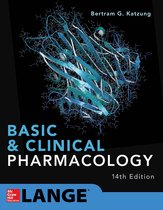
TEST BANK
Basic and Clinical Pharmacology by Bertram Katzung
15th Edition
TEST BANK
, Test Bank For Basic and Clinical Pharmacology 15th Edition by Bertram Katzung
Table of Contents:
Section I: Basic principles
Chapter 1: Introduction: the nature of drugs & drug development & regulation
Chapter 2: Drug receptors & pharmacodynamics
Chapter 3: Pharmacokinetics & pharmacodynamics: rational dosing & the time course of
drug action
Chapter 4: Drug biotransformation
Chapter 5: Pharmacogenomics
Section II: Autonomic drugs
Chapter 6: Introduction to autonomic pharmacology
Chapter 7: Cholinoceptor-activating & cholinesterase-inhibiting drugs
Chapter 8: Cholinoceptor-blocking drugs
Chapter 9: Adrenoceptor agonists & sympathomimetic drugs
Chapter 10: Adrenoceptor antagonist drugs
Section III: Cardiovascular-renal drugs
Chapter 11: Antihypertensive agents
Chapter 12: Vasodilators & the treatment of angina pectoris
Chapter 13: Drugs used in heart failure
Chapter 14: Agents used in cardiac arrhythmias
Chapter 15: Diuretic agents
Section IV: Drugs with important actions on smooth muscle
Chapter 16: Histamine, serotonin, & the ergot alkaloids
Chapter 17: Vasoactive peptides
Chapter 18: The Eicosanoids: prostaglandins, thromboxanes, leukotrienes, & related
compounds
Chapter 19: Nitric oxide
Chapter 20: Drugs used in asthma
Section V: Drugs that act in the central nervous system
Chapter 21: Introduction to the pharmacology of cns drugs
Chapter 22: Sedative-hypnotic drugs
Chapter 23: The Alcohols
Chapter 24: Antiseizure drugs
Chapter 25: General anesthetics
Chapter 26: Local anesthetics
Chapter 27: Skeletal muscle relaxants
Chapter 28: Pharmacologic management of parkinsonism & other movement disorders
Chapter 29: Antipsychotic agents & lithium
Chapter 30: Antidepressant agents
Chapter 31: Opioid agonists & antagonists
Chapter 32: Drugs of abuse
,Section VI: Drugs used to treat diseases of the blood, inflammation, & gout
Chapter 33: Agents used in cytopenias; hematopoietic growth factors
Chapter 34: Drugs used in disorders of coagulation
Chapter 35: Agents used in dyslipidemia
Chapter 36: Nonsteroidal anti-inflammatory drugs, disease-modifying antirheumatic
drugs, nonopioid analgesics, & drugs used in gout
Section VII: Endocrine drugs
Chapter 37: Hypothalamic & pituitary hormones
Chapter 38: Thyroid & antithyroid drugs
Chapter 39: Adrenocorticosteroids & adrenocortical antagonists
Chapter 40: The Gonadal hormones & inhibitors
Chapter 41: Pancreatic hormones & antidiabetic drugs
Chapter 42: Agents that affect bone mineral homeostasis
Section VIII: Chemotherapeutic drugs
Chapter 43: Beta-lactam & other cell wall- & membrane-active antibiotics
Chapter 44: Tetracyclines, macrolides, clindamycin, chloramphenicol, streptogramins, &
oxazolidinones
Chapter 45: Aminoglycosides & spectinomycin
Chapter 46: Sulfonamides, trimethoprim, & quinolones
Chapter 47: Antimycobacterial drugs
Chapter 48: Antifungal agents
Chapter 49: Antiviral agents
Chapter 50: Miscellaneous antimicrobial agents; disinfectants, antiseptics, & sterilants
Chapter 51: Clinical use of antimicrobial agents
Chapter 52: Antiprotozoal drugs
Chapter 53: Clinical pharmacology of the antihelminthic drugs
Chapter 54: Cancer chemotherapy
Chapter 55: Immunopharmacology
Section IX: Toxicology
Chapter 56: Introduction to toxicology: occupational & environmental
Chapter 57: Heavy metal intoxication & chelators
Chapter 58: Management of the poisoned patient
Section X: Special topics
Chapter 59: Special aspects of perinatal & pediatric pharmacology
Chapter 60: Special aspects of geriatric pharmacology
Chapter 61: Dermatologic pharmacology
Chapter 62: Drugs used in the treatment of gastrointestinal diseases
Chapter 63: Therapeutic & toxic potential of over-the-counter agents
Chapter 64: Dietary supplements & herbal medications
Chapter 65: Rational prescribing & prescription writing
Chapter 66: Important drug interactions & their mechanisms
, Bertram Katzung: Basic and Clinical Pharmacology 15th Edition
Chapter 1. Introduction: The Nature of Drugs & Drug Development & Regulation
Multiple Choice
1. A nurse working in radiology administers iodine to a patient who is having a
computed tomography (CT) scan. The nurse working on the oncology unit
administers chemotherapy to patients who have cancer. At the Public Health
Department, a nurse administers a measles-mumps-rubella (MMR) vaccine to
a 14-month-old child as a routine immunization. Which branch of
pharmacology best describes the actions of all three nurses?
A) Pharmacoeconomics
B) Pharmacotherapeutics
C) Pharmacodynamics
D) Pharmacokinetics
Ans: B
Feedback:
Pharmacology is the study of the biologic effects of chemicals. Nurses are
involved with clinical pharmacology or pharmacotherapeutics, which is a
branch of pharmacology that deals with the uses of drugs to treat, prevent,
and diagnose disease. The radiology nurse is administering a drug to help
diagnose a disease. The oncology nurse is administering a drug to help treat a
disease. Pharmacoeconomics includes any costs involved in drug therapy.
Pharmacodynamics involves how a drug affects the body and
pharmacokinetics is how the body acts on the body.
2. A physician has ordered intramuscular (IM) injections of morphine, a
narcotic, every 4 hours as needed for pain in a motor vehicle accident victim.
The nurse is aware this drug has a high abuse potential. Under what category
would morphine be classified?
A) Schedule I
B) Schedule II
WWW.THENURSINGMASTERY.COM
Basic and Clinical Pharmacology by Bertram Katzung
15th Edition
TEST BANK
, Test Bank For Basic and Clinical Pharmacology 15th Edition by Bertram Katzung
Table of Contents:
Section I: Basic principles
Chapter 1: Introduction: the nature of drugs & drug development & regulation
Chapter 2: Drug receptors & pharmacodynamics
Chapter 3: Pharmacokinetics & pharmacodynamics: rational dosing & the time course of
drug action
Chapter 4: Drug biotransformation
Chapter 5: Pharmacogenomics
Section II: Autonomic drugs
Chapter 6: Introduction to autonomic pharmacology
Chapter 7: Cholinoceptor-activating & cholinesterase-inhibiting drugs
Chapter 8: Cholinoceptor-blocking drugs
Chapter 9: Adrenoceptor agonists & sympathomimetic drugs
Chapter 10: Adrenoceptor antagonist drugs
Section III: Cardiovascular-renal drugs
Chapter 11: Antihypertensive agents
Chapter 12: Vasodilators & the treatment of angina pectoris
Chapter 13: Drugs used in heart failure
Chapter 14: Agents used in cardiac arrhythmias
Chapter 15: Diuretic agents
Section IV: Drugs with important actions on smooth muscle
Chapter 16: Histamine, serotonin, & the ergot alkaloids
Chapter 17: Vasoactive peptides
Chapter 18: The Eicosanoids: prostaglandins, thromboxanes, leukotrienes, & related
compounds
Chapter 19: Nitric oxide
Chapter 20: Drugs used in asthma
Section V: Drugs that act in the central nervous system
Chapter 21: Introduction to the pharmacology of cns drugs
Chapter 22: Sedative-hypnotic drugs
Chapter 23: The Alcohols
Chapter 24: Antiseizure drugs
Chapter 25: General anesthetics
Chapter 26: Local anesthetics
Chapter 27: Skeletal muscle relaxants
Chapter 28: Pharmacologic management of parkinsonism & other movement disorders
Chapter 29: Antipsychotic agents & lithium
Chapter 30: Antidepressant agents
Chapter 31: Opioid agonists & antagonists
Chapter 32: Drugs of abuse
,Section VI: Drugs used to treat diseases of the blood, inflammation, & gout
Chapter 33: Agents used in cytopenias; hematopoietic growth factors
Chapter 34: Drugs used in disorders of coagulation
Chapter 35: Agents used in dyslipidemia
Chapter 36: Nonsteroidal anti-inflammatory drugs, disease-modifying antirheumatic
drugs, nonopioid analgesics, & drugs used in gout
Section VII: Endocrine drugs
Chapter 37: Hypothalamic & pituitary hormones
Chapter 38: Thyroid & antithyroid drugs
Chapter 39: Adrenocorticosteroids & adrenocortical antagonists
Chapter 40: The Gonadal hormones & inhibitors
Chapter 41: Pancreatic hormones & antidiabetic drugs
Chapter 42: Agents that affect bone mineral homeostasis
Section VIII: Chemotherapeutic drugs
Chapter 43: Beta-lactam & other cell wall- & membrane-active antibiotics
Chapter 44: Tetracyclines, macrolides, clindamycin, chloramphenicol, streptogramins, &
oxazolidinones
Chapter 45: Aminoglycosides & spectinomycin
Chapter 46: Sulfonamides, trimethoprim, & quinolones
Chapter 47: Antimycobacterial drugs
Chapter 48: Antifungal agents
Chapter 49: Antiviral agents
Chapter 50: Miscellaneous antimicrobial agents; disinfectants, antiseptics, & sterilants
Chapter 51: Clinical use of antimicrobial agents
Chapter 52: Antiprotozoal drugs
Chapter 53: Clinical pharmacology of the antihelminthic drugs
Chapter 54: Cancer chemotherapy
Chapter 55: Immunopharmacology
Section IX: Toxicology
Chapter 56: Introduction to toxicology: occupational & environmental
Chapter 57: Heavy metal intoxication & chelators
Chapter 58: Management of the poisoned patient
Section X: Special topics
Chapter 59: Special aspects of perinatal & pediatric pharmacology
Chapter 60: Special aspects of geriatric pharmacology
Chapter 61: Dermatologic pharmacology
Chapter 62: Drugs used in the treatment of gastrointestinal diseases
Chapter 63: Therapeutic & toxic potential of over-the-counter agents
Chapter 64: Dietary supplements & herbal medications
Chapter 65: Rational prescribing & prescription writing
Chapter 66: Important drug interactions & their mechanisms
, Bertram Katzung: Basic and Clinical Pharmacology 15th Edition
Chapter 1. Introduction: The Nature of Drugs & Drug Development & Regulation
Multiple Choice
1. A nurse working in radiology administers iodine to a patient who is having a
computed tomography (CT) scan. The nurse working on the oncology unit
administers chemotherapy to patients who have cancer. At the Public Health
Department, a nurse administers a measles-mumps-rubella (MMR) vaccine to
a 14-month-old child as a routine immunization. Which branch of
pharmacology best describes the actions of all three nurses?
A) Pharmacoeconomics
B) Pharmacotherapeutics
C) Pharmacodynamics
D) Pharmacokinetics
Ans: B
Feedback:
Pharmacology is the study of the biologic effects of chemicals. Nurses are
involved with clinical pharmacology or pharmacotherapeutics, which is a
branch of pharmacology that deals with the uses of drugs to treat, prevent,
and diagnose disease. The radiology nurse is administering a drug to help
diagnose a disease. The oncology nurse is administering a drug to help treat a
disease. Pharmacoeconomics includes any costs involved in drug therapy.
Pharmacodynamics involves how a drug affects the body and
pharmacokinetics is how the body acts on the body.
2. A physician has ordered intramuscular (IM) injections of morphine, a
narcotic, every 4 hours as needed for pain in a motor vehicle accident victim.
The nurse is aware this drug has a high abuse potential. Under what category
would morphine be classified?
A) Schedule I
B) Schedule II
WWW.THENURSINGMASTERY.COM