Sexual differentiation and development
Sexual differentiation
1. Genetic sex
Determined by sex chromosomes
Genetic male - Has XY pattern
When a sperm containing Y chromosome, fertilizes an ovum, the
Zygote develops into a genetic male
Genetic female - Has XX pattern
When a sperm containing X chromosome, fertilizes an ovum, the
Zygote develops into a genetic female
2. Gonadal sex
Presence of either male gonads (testes) or female gonads(ovary)
3. Phenotypic sex
Defined by the characteristics of the internal genital tract or external genitalia
Is determined by the action of testosterone, MIS, DHT in males
Human chromosome pattern
• 46 chromosomes 22 pairs of autosomes
1 pair of sex chromosomes
(XX or XY)
, • In females one of the two X chromosomes become functionally inactive during
embryonic development and it becomes condense – located near the nuclear
membrane (known as barr body or sex chromatin)
• Also appear as a small drumstick of chromatin projecting from the nuclei of 1-15% of
neutrophils in female
SRY (sex determining region of the Y chromosome
• Testes – determining gene product
• Located near the tip of the short arm of the Y chromosome
• DNA binding regulatory protein – acts as a transcription factor
• Initiates transcription of cascade of genes
Specially the gene for Mullerian Inhibiting Substance(MIS)
Development of gonads, internal genitalia and external genitalia
Genetic male Genetic female
Until 6th week → Primitive gonads primitive gonads
Identical in both
sexes
medulla cortex medulla cortex
During 7th and → develops into a regresses regresses develops
8th weeks testes into an
ovary
Sertoli cells leydig cells no MIS,
testosterone
Secrete secrete
MIS testosterone 5α wolffian mullerian
In 7th week fetus Acts unilaterally reduct system duct
has both primordial on internal -ase regresses system
genital ducts genitalia dihydrotestosterone
, mullerian ducts development of formation of develop into
regresses by male internal male external female
apoptosis on genitalia (vas genitalia and internal
the side it is deferens and male secondary genitalia
secreted epididymis) sexual (uterus and
from wolffian characteristics uterine
duct system tubes)
External genitalia bipotential until 8th week
In male –urogenital slit disappears and male genitalia formed
In female-urogenital slit remains and female genitalia formed
Abnormalities of sexual differentiation
Caused by
• Chromosomal abnormalities
• Hormonal abnormalities
• Nonspecific teratogenic influences
Chromosomal abnormalities
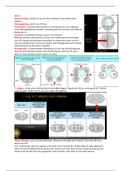
• Due to nondisjunction of sex chromosomes during meiosis
• Nondisjunction- when a pair of chromosomes fails to separate both go to one of the daughter
cells during meiosis
• 4 abnormal zygotes can be formed due to nondisjunction of one of the X chromosomes
XO
XXY
XXX
YO
Sexual differentiation
1. Genetic sex
Determined by sex chromosomes
Genetic male - Has XY pattern
When a sperm containing Y chromosome, fertilizes an ovum, the
Zygote develops into a genetic male
Genetic female - Has XX pattern
When a sperm containing X chromosome, fertilizes an ovum, the
Zygote develops into a genetic female
2. Gonadal sex
Presence of either male gonads (testes) or female gonads(ovary)
3. Phenotypic sex
Defined by the characteristics of the internal genital tract or external genitalia
Is determined by the action of testosterone, MIS, DHT in males
Human chromosome pattern
• 46 chromosomes 22 pairs of autosomes
1 pair of sex chromosomes
(XX or XY)
, • In females one of the two X chromosomes become functionally inactive during
embryonic development and it becomes condense – located near the nuclear
membrane (known as barr body or sex chromatin)
• Also appear as a small drumstick of chromatin projecting from the nuclei of 1-15% of
neutrophils in female
SRY (sex determining region of the Y chromosome
• Testes – determining gene product
• Located near the tip of the short arm of the Y chromosome
• DNA binding regulatory protein – acts as a transcription factor
• Initiates transcription of cascade of genes
Specially the gene for Mullerian Inhibiting Substance(MIS)
Development of gonads, internal genitalia and external genitalia
Genetic male Genetic female
Until 6th week → Primitive gonads primitive gonads
Identical in both
sexes
medulla cortex medulla cortex
During 7th and → develops into a regresses regresses develops
8th weeks testes into an
ovary
Sertoli cells leydig cells no MIS,
testosterone
Secrete secrete
MIS testosterone 5α wolffian mullerian
In 7th week fetus Acts unilaterally reduct system duct
has both primordial on internal -ase regresses system
genital ducts genitalia dihydrotestosterone
, mullerian ducts development of formation of develop into
regresses by male internal male external female
apoptosis on genitalia (vas genitalia and internal
the side it is deferens and male secondary genitalia
secreted epididymis) sexual (uterus and
from wolffian characteristics uterine
duct system tubes)
External genitalia bipotential until 8th week
In male –urogenital slit disappears and male genitalia formed
In female-urogenital slit remains and female genitalia formed
Abnormalities of sexual differentiation
Caused by
• Chromosomal abnormalities
• Hormonal abnormalities
• Nonspecific teratogenic influences
Chromosomal abnormalities
• Due to nondisjunction of sex chromosomes during meiosis
• Nondisjunction- when a pair of chromosomes fails to separate both go to one of the daughter
cells during meiosis
• 4 abnormal zygotes can be formed due to nondisjunction of one of the X chromosomes
XO
XXY
XXX
YO