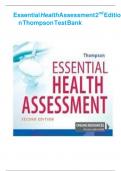
Test Bank for Varcarolis’ Essentials of Psychiatric Mental Health
Nursing: A Communication Approach to Evidence-Based Care 5th
Edition by Chyllia D Fosbre
,Contents
Unit I: Essential Theoretical Concepts for Practice
Chapter 1. Science and the Therapeutic Use of Self in Psychiatric Mental Health Nursing
Chapter 2. Mental Health and Mental Illness
Chapter 3. Theories & Therapies
Chapter 4. Biological Basis for Understanding Psychopharmacology
Chapter 5. Settings for Psychiatric Care
Chapter 6. Legal and Ethical Basis for Practice
Unit II: Tools for Practice of the Art
Chapter 7. The Nursing Process in Psychiatric-Mental Health Nursing
Chapter 8. Communication Skills: Medium for All Nursing Practice
Chapter 9. Therapeutic Relationships and the Clinical Interview
UNIT III: Caring for Patients with Psychobiological Disorders
Chapter 10. Trauma and Stress-Related Disorders and Dissociative Disorders
Chapter 11. Anxiety, Anxiety Disorders, and Obsessive-Compulsive and Related Disorders
Chapter 12. Somatic Symptom Disorders and Related Disorders
Chapter 13. Personality Disorders
Chapter 14. Eating Disorders
Chapter 15. Mood Disorders: Depression
Chapter 16. Bipolar Spectrum Disorders
Chapter 17. Schizophrenia Spectrum Disorders and Other Psychotic Disorders
Chapter 18. Neurocognitive Disorders
Chapter 19. Substance-Related and Addictive Disorders
UNIT IV: Caring for Patients Experiencing Psychiatric Emergencies
Chapter 20. Crisis & Mass Disaster Intervention
Chapter 21. Child, Partner, and Elder Violence
Chapter 22. Sexual Violence
Chapter 23. Suicidal Thoughts and Behaviors
Chapter 24. Anger, Aggression, and Violence
Chapter 25. Care for the Dying and Those Who Grieve
UNIT V: Age-Related Mental Health Disorders
Chapter 26. Children and Adolescents
Chapter 27. Adults
Chapter 28. Older Adults
, Chapter 01: Science and the Therapeutic Use of Self in Psychiatric Mental Health
Nursing
Varcarolis: Essentials of Psychiatric Mental Health N ur as bi inr bg. c:o mA/ t eC
s t ommunication
Approach to Evidence-Based Care, 4th Edition
MULTIPLE CHOICE
1. In caring for a patient with a serious mental illness living in the community, which recovery-based
outcome is most appropriate to expect within three months?
A) Denying suicidal ideation
B) Reporting a sense of well-being
C) Taking medications as prescribed
D) Attending clinic appointments on time
Correct Answer: B
Detailed Rationale:
Recovery in mental health nursing emphasizes helping patients lead meaningful lives despite ongoing
symptoms. It focuses on empowerment, personal growth, wellness, and finding purpose—not just symptom
control. Reporting a sense of well-being reflects internal satisfaction and improved quality of life, aligning
with recovery goals. While medication adherence and attending appointments are important, they are more
compliance-oriented than recovery-focused. Denial of suicidal ideation is also important for safety but does
not reflect the broader goals of recovery.
2. A patient is hospitalized for depression and suicidal thoughts following their spouse's request for
divorce. Which nurse’s comment demonstrates the most compassionate and therapeutic approach?
A) “Let’s talk about healthy ways to cope when you feel suicidal.”
B) “I understand why you're so sad. My divorce devastated me, too.”
C) “You need to forget about your marriage and move forward.”
D) “Why did things get so bad that you had to come here?”
Correct Answer: A
, Detailed Rationale:
Option A uses therapeutic communication that acknowledges the patient’s emotional pain and offers to
help develop coping strategies. It is empathetic without being intrusive or self-centered. Option B makes
the conversation about the nurse rather than the patient, which shifts focus away from the patient’s needs.
Option C is dismissive and invalidates the patient’s emotional experience. Option D uses probing language
that may increase the patient’s feelings of shame or guilt, which is non-therapeutic.
3. During a shift report, a nurse makes a critical comment about a patient who wears heavy makeup. What
response best demonstrates patient advocacy?
A) “This is a psych hospital, so odd behavior is expected.”
B) “We should all wear wild makeup to support the patient.”
C) “That comment is inappropriate. Let’s stick to objective facts.”
D) “Our patients need help learning social skills to function better.”
Correct Answer: D
Detailed Rationale:
Advocacy involves respecting patient individuality while helping them develop behaviors that enhance
their well-being. Supporting self-expression and teaching social norms helps patients adapt to real-world
environments. Option A is dismissive and may reinforce stigma. Option B uses sarcasm, which could mock
the patient. Option C is confrontational toward a colleague and does not promote a collaborative
atmosphere. While it attempts to correct unprofessional behavior, it may escalate conflict rather than
advocate effectively.
4. A nurse assesses a patient newly admitted with major depression. Which statement best represents
“attending” behavior?
Nursing: A Communication Approach to Evidence-Based Care 5th
Edition by Chyllia D Fosbre
,Contents
Unit I: Essential Theoretical Concepts for Practice
Chapter 1. Science and the Therapeutic Use of Self in Psychiatric Mental Health Nursing
Chapter 2. Mental Health and Mental Illness
Chapter 3. Theories & Therapies
Chapter 4. Biological Basis for Understanding Psychopharmacology
Chapter 5. Settings for Psychiatric Care
Chapter 6. Legal and Ethical Basis for Practice
Unit II: Tools for Practice of the Art
Chapter 7. The Nursing Process in Psychiatric-Mental Health Nursing
Chapter 8. Communication Skills: Medium for All Nursing Practice
Chapter 9. Therapeutic Relationships and the Clinical Interview
UNIT III: Caring for Patients with Psychobiological Disorders
Chapter 10. Trauma and Stress-Related Disorders and Dissociative Disorders
Chapter 11. Anxiety, Anxiety Disorders, and Obsessive-Compulsive and Related Disorders
Chapter 12. Somatic Symptom Disorders and Related Disorders
Chapter 13. Personality Disorders
Chapter 14. Eating Disorders
Chapter 15. Mood Disorders: Depression
Chapter 16. Bipolar Spectrum Disorders
Chapter 17. Schizophrenia Spectrum Disorders and Other Psychotic Disorders
Chapter 18. Neurocognitive Disorders
Chapter 19. Substance-Related and Addictive Disorders
UNIT IV: Caring for Patients Experiencing Psychiatric Emergencies
Chapter 20. Crisis & Mass Disaster Intervention
Chapter 21. Child, Partner, and Elder Violence
Chapter 22. Sexual Violence
Chapter 23. Suicidal Thoughts and Behaviors
Chapter 24. Anger, Aggression, and Violence
Chapter 25. Care for the Dying and Those Who Grieve
UNIT V: Age-Related Mental Health Disorders
Chapter 26. Children and Adolescents
Chapter 27. Adults
Chapter 28. Older Adults
, Chapter 01: Science and the Therapeutic Use of Self in Psychiatric Mental Health
Nursing
Varcarolis: Essentials of Psychiatric Mental Health N ur as bi inr bg. c:o mA/ t eC
s t ommunication
Approach to Evidence-Based Care, 4th Edition
MULTIPLE CHOICE
1. In caring for a patient with a serious mental illness living in the community, which recovery-based
outcome is most appropriate to expect within three months?
A) Denying suicidal ideation
B) Reporting a sense of well-being
C) Taking medications as prescribed
D) Attending clinic appointments on time
Correct Answer: B
Detailed Rationale:
Recovery in mental health nursing emphasizes helping patients lead meaningful lives despite ongoing
symptoms. It focuses on empowerment, personal growth, wellness, and finding purpose—not just symptom
control. Reporting a sense of well-being reflects internal satisfaction and improved quality of life, aligning
with recovery goals. While medication adherence and attending appointments are important, they are more
compliance-oriented than recovery-focused. Denial of suicidal ideation is also important for safety but does
not reflect the broader goals of recovery.
2. A patient is hospitalized for depression and suicidal thoughts following their spouse's request for
divorce. Which nurse’s comment demonstrates the most compassionate and therapeutic approach?
A) “Let’s talk about healthy ways to cope when you feel suicidal.”
B) “I understand why you're so sad. My divorce devastated me, too.”
C) “You need to forget about your marriage and move forward.”
D) “Why did things get so bad that you had to come here?”
Correct Answer: A
, Detailed Rationale:
Option A uses therapeutic communication that acknowledges the patient’s emotional pain and offers to
help develop coping strategies. It is empathetic without being intrusive or self-centered. Option B makes
the conversation about the nurse rather than the patient, which shifts focus away from the patient’s needs.
Option C is dismissive and invalidates the patient’s emotional experience. Option D uses probing language
that may increase the patient’s feelings of shame or guilt, which is non-therapeutic.
3. During a shift report, a nurse makes a critical comment about a patient who wears heavy makeup. What
response best demonstrates patient advocacy?
A) “This is a psych hospital, so odd behavior is expected.”
B) “We should all wear wild makeup to support the patient.”
C) “That comment is inappropriate. Let’s stick to objective facts.”
D) “Our patients need help learning social skills to function better.”
Correct Answer: D
Detailed Rationale:
Advocacy involves respecting patient individuality while helping them develop behaviors that enhance
their well-being. Supporting self-expression and teaching social norms helps patients adapt to real-world
environments. Option A is dismissive and may reinforce stigma. Option B uses sarcasm, which could mock
the patient. Option C is confrontational toward a colleague and does not promote a collaborative
atmosphere. While it attempts to correct unprofessional behavior, it may escalate conflict rather than
advocate effectively.
4. A nurse assesses a patient newly admitted with major depression. Which statement best represents
“attending” behavior?