SUMMARY BY EMMA SPRENGERS
SUMMARY IS BASED ON THE BOOK ‘8 QUESTIONS ABOUT THE CONSCIOUS MIND’ BY HANS DOOREMALEN
THE SUMMARY IS NOT BASED ON THE LECTURES OF THIS COURSE GIVEN AT TILBURG UNIVERSITY
THIS SUMMARY DOES NOT GUARANTEE A PASSING GRADE ON THE EXAM, PLEASE STUDY THE MATERIALS
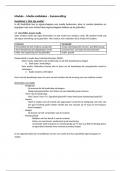
Philosophy of mind summary
Question 1: what is the conscious mind?
Qualia
- Qualitative aspects of experiences
- What-it-is-likeness (Thomas Nagel)
- E.g.: tasting coffee, smelling flowers what does the coffee taste like to me
- Thomas Nagel: when our senses are stimulated, we have all sorts of experiences
Phenomenal experiences
- Characterized by their qualitative feel (what-is-is-likeness). The term ‘phenomenal’ refers to how something
feels, to how it appears to us
Thus, our first type of mental state is formed by phenomenal experiences, which are characterized by their
what-it-is-likeness. Put differently: qualia are the qualitative aspects of our phenomenal experiences.
Cognitive states
- Can be characterized by saying that they possess ‘intentionality’
- Intentionality: being about something/ aboutness
- E.g.: thinking about a friend
- Propositional attitudes: discrete entities, when your PA changes it does not have to affect other PA’s
- E.g.: Paris is in France <> it is raining
Propositions
- Meaning of something
- E.g.: I know you like coffee/ I believe you like coffee/ I think you like coffee
- Both have intentionality (coffee), but they possess different propositions (know/think/believe)
Emotions
- Possess both what-it-is-likeness and aboutness
- E.g.: what it feels like to be in love and who you are in love with/ who your love is about
the conscious mind
, - The unconscious mind can become conscious (not always, such as heartbeat)
- John Searle: ‘the notion of an unconscious mental state implies accessibility to consciousness’
- E.g.: personal memories/ memories about a vacation are unconscious but when someone asks you about
them, they can become conscious
Lecture 1: substance dualism
Views on consciousness
1. Substance dualism
the mind and the body are independent of each other
2. Idealism
the physical world is dependent on the mental world
3. Behaviourism
the mind is behaviour
4. Reductionism/ identity theory
mental states are certain brain states
5. Eliminativism
there is no mind
6. Functionalism
Mental states are realized by brain states
7. Connectionism
mental states are states in a neural network
8. Embodied and embedded theory
there is more to mind than just brain
Substance dualism
- Descartes!
- Substance: that which can exist on its own
- Substance dualism:
- there are two substances
- res cogitans: thinking thing
- res extensa: physical thing
Essential properties
- The essential property of the thinking substance is thinking
- without thought there is no mind
- The essential property of the extended substance is that it takes up a physical place in space
- Movement is the result of collisions (Elizabeth asked Descartes)
, Descartes
1. Radical doubt: doubt everything instead of simply believing it
- Mathematics as the prototype of science
- Cogito ergo sum (I think therefore I exist)
2. Clear and distinct insights should be true
- God exists and is good, god will never lie to me because he is perfect
3. Interaction problem
- Patrick Swayze problem: how can a non-physical substance collide with the physical substance (ghost movie)
- Solution: communication through the pineal gland
Occasionalism
- God is responsible for us because he is the true cause for things in the world
- My thought is the occasion for God to act
- E.g.: I raise my arm to grab something, but actually I thought about grabbing something so God saw this as
an opportunity to raise my arm to do so
- Malebranche: ‘there is only one true cause because there is only one true God; the nature or power of each
thing is but the will of God; all natural causes are not at all true causes but occasional causes’
- Mental event of wanting to lift your am God sees that God lifts your arm interaction problem solved
Parallelism
- If we have 2 clocks that run in sync, it is because they have been made that way
- The same applies for our mind and body
- Geulincx formulated the idea of a pre-established harmony
- Leibniz agreed and called it ‘monia praestabilita’
- If we want to speak and our tongue moves, then the will accompanies the motion of the tongue without
them having a causal relation. The will and the movement both depend on the same supreme designer
Question 2: can the mind function separately from the body?
Separability thesis
- The belief that the mind can exist and function separately from the body
- Descartes: in favour!
- Montaigne: que sais-je?
Descartes method of doubt
SUMMARY IS BASED ON THE BOOK ‘8 QUESTIONS ABOUT THE CONSCIOUS MIND’ BY HANS DOOREMALEN
THE SUMMARY IS NOT BASED ON THE LECTURES OF THIS COURSE GIVEN AT TILBURG UNIVERSITY
THIS SUMMARY DOES NOT GUARANTEE A PASSING GRADE ON THE EXAM, PLEASE STUDY THE MATERIALS
Philosophy of mind summary
Question 1: what is the conscious mind?
Qualia
- Qualitative aspects of experiences
- What-it-is-likeness (Thomas Nagel)
- E.g.: tasting coffee, smelling flowers what does the coffee taste like to me
- Thomas Nagel: when our senses are stimulated, we have all sorts of experiences
Phenomenal experiences
- Characterized by their qualitative feel (what-is-is-likeness). The term ‘phenomenal’ refers to how something
feels, to how it appears to us
Thus, our first type of mental state is formed by phenomenal experiences, which are characterized by their
what-it-is-likeness. Put differently: qualia are the qualitative aspects of our phenomenal experiences.
Cognitive states
- Can be characterized by saying that they possess ‘intentionality’
- Intentionality: being about something/ aboutness
- E.g.: thinking about a friend
- Propositional attitudes: discrete entities, when your PA changes it does not have to affect other PA’s
- E.g.: Paris is in France <> it is raining
Propositions
- Meaning of something
- E.g.: I know you like coffee/ I believe you like coffee/ I think you like coffee
- Both have intentionality (coffee), but they possess different propositions (know/think/believe)
Emotions
- Possess both what-it-is-likeness and aboutness
- E.g.: what it feels like to be in love and who you are in love with/ who your love is about
the conscious mind
, - The unconscious mind can become conscious (not always, such as heartbeat)
- John Searle: ‘the notion of an unconscious mental state implies accessibility to consciousness’
- E.g.: personal memories/ memories about a vacation are unconscious but when someone asks you about
them, they can become conscious
Lecture 1: substance dualism
Views on consciousness
1. Substance dualism
the mind and the body are independent of each other
2. Idealism
the physical world is dependent on the mental world
3. Behaviourism
the mind is behaviour
4. Reductionism/ identity theory
mental states are certain brain states
5. Eliminativism
there is no mind
6. Functionalism
Mental states are realized by brain states
7. Connectionism
mental states are states in a neural network
8. Embodied and embedded theory
there is more to mind than just brain
Substance dualism
- Descartes!
- Substance: that which can exist on its own
- Substance dualism:
- there are two substances
- res cogitans: thinking thing
- res extensa: physical thing
Essential properties
- The essential property of the thinking substance is thinking
- without thought there is no mind
- The essential property of the extended substance is that it takes up a physical place in space
- Movement is the result of collisions (Elizabeth asked Descartes)
, Descartes
1. Radical doubt: doubt everything instead of simply believing it
- Mathematics as the prototype of science
- Cogito ergo sum (I think therefore I exist)
2. Clear and distinct insights should be true
- God exists and is good, god will never lie to me because he is perfect
3. Interaction problem
- Patrick Swayze problem: how can a non-physical substance collide with the physical substance (ghost movie)
- Solution: communication through the pineal gland
Occasionalism
- God is responsible for us because he is the true cause for things in the world
- My thought is the occasion for God to act
- E.g.: I raise my arm to grab something, but actually I thought about grabbing something so God saw this as
an opportunity to raise my arm to do so
- Malebranche: ‘there is only one true cause because there is only one true God; the nature or power of each
thing is but the will of God; all natural causes are not at all true causes but occasional causes’
- Mental event of wanting to lift your am God sees that God lifts your arm interaction problem solved
Parallelism
- If we have 2 clocks that run in sync, it is because they have been made that way
- The same applies for our mind and body
- Geulincx formulated the idea of a pre-established harmony
- Leibniz agreed and called it ‘monia praestabilita’
- If we want to speak and our tongue moves, then the will accompanies the motion of the tongue without
them having a causal relation. The will and the movement both depend on the same supreme designer
Question 2: can the mind function separately from the body?
Separability thesis
- The belief that the mind can exist and function separately from the body
- Descartes: in favour!
- Montaigne: que sais-je?
Descartes method of doubt