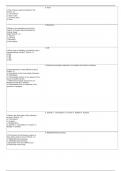
Chest pain is atypical for classic GERD.
GERD Symptoms
Which of the following symptoms are
considered atypical for GERD?
Chest pain
Nausea
Belching
Bloating
H. pylori is the bacteria associated with GERD.
GERD Bacteria
The bacteria that is associated with GERD
is:
Staph aureus
E. Coli
Pseudomonas
H. pylori
The disease is due to the loss of muscle tone at the lower esophageal sphincter.
Gastroesophageal Reflux Disease
A 50-year-old is diagnosed with
gastroesophageal reflux disease. This
condition is caused by:
Fibrosis of the lower third of the esophagus.
Sympathetic nerve stimulation.
Reverse peristalsis of the stomach.
Loss of muscle tone at the lower esophageal
sphincter.
What are the typical presentation symptoms Heart burn and regurgitation are typical symptoms of GERD.
of Gerd?
Obesity is the only choice listed that is a risk factor to developing GERD. Obesity
exerts pressure on the lower esophageal sphincter which causes the up-flow of acid
What is a risk factor for GERD? from the stomach into the esophagus.
GERD is caused by gastric contents that enters the esophagus primarily due to the
relaxation of the lower esophageal sphincter (LES). The influx of chyme from the
What is the cause of GERD? stomach into the esophagus results in inflammation leading to reflux esophagitis. It is
typically caused by an incompetent LES, hiatal hernia, gastroparesis, and obesity.
Typical symptoms of Gerd? Heartburn and regurgitation
Asthma, chronic laryngitis, hoarseness, cough, globus sensation, noncardiac chest
Atypical symptoms of GERD pain, dental erosions, sleep apnea
associated symptoms of Gerd Nausea, Belching, Dyspepsia, bloating, epigastric pain
some medications can worsen GERD symptoms, such as calcium channel blockers,
antibiotics and bisphosphonates.
GERD causes Obesity (Barretts esophagus, esophageal cancer. Hiatal hernia.
H. Pylori
Symptoms
DYsphagia
Odynophagia (Pain on swallowing)
Nausea and vomiting
weight loss
Warning signs of GERD Melena
Early satiety
, PPI are the gold standard for treatment.
For example, in mild, intermittent GERD (<2 episodes/week) with no evidence of
erosive esophagitis, the patient may be started on 10 mg once daily. The dose can be
increased to 20 mg daily after 4-8 weeks. Once the patient is asymptomatic for 8
weeks, the medication should be discontinued to avoid any associated side effects.
non-pharmacological treatment.
Weight loss, especially if body mass index (BMI) is 25 or >
Elevating the head of bed
GERD treatment Avoiding food 2-3 hours prior to bedtime
Eliminating trigger foods.
Although trigger foods can vary for individuals, some of the universal trigger foods
include chocolate, caffeine, alcohol or spicy and acidic food.
The gold standard for the treatment of GERD is proton-pump inhibitors.
The gold standard for the treatment of
GERD is:
Antacids.
Calcium carbonate.
H2 antagonists.
Proton-pump inhibitors (PPIs).
Prior to starting medications, avoiding trigger foods can be tried since a specific food,
tomatoes were identified, and the patient reports no alarm symptoms.
A 37-year -old female complains of a 7-
month history of intermittent heart burn that
occurs after eating tomatoes. She denies
any weight loss. On exam, the NP identifies
epigastric tenderness. As first line therapy
for this patient, the NP should advise the
patient to:
Avoid trigger foods.
Drink addition fluids with food intake.
Take an antacid prior to eating.
Use a prokinetic agent.
Iron-deficiency anemia is an alarm system that can indicate bleeding.
Which of the following is an "alarm" finding
in a person with GERD symptoms?
Abdominal pain.
Hypotension.
Iron-deficiency anemia
Weight gain.
Reclining will exacerbate GERD symptoms.
The NP provides education to a patient with
a new diagnosis of GERD. Which statement
below would indicate that the patient needs
further teaching?
“I will eat small meals throughout day
instead of 3 large ones.”
“I will not eat just before bedtime.”
“After I eat, I will recline to help decrease the
pressure on the lower esophageal sphincter
(LES).”
“I will drink ginger tea instead of mint tea.”
Volvulus occurs when a loop of intestine twists around itself and the mesentery
A volvulus is the twisting of the bowel. that supplies it, causing a bowel obstruction. Symptoms include abdominal
True distension, pain, vomiting, constipation, and bloody stools. The onset of symptoms may
False be insidious or sudden.
, The patient with a hiatal hernia can be asymptomatic. The remaining choices are not
true of hernias.
Hiatal Hernia
Which of the following is true?
A hiatal hernia protrudes through the
inguinal canal.
Hiatal hernia symptoms usually develop
early in the disease.
Patients with a hiatal hernia can be
asymptomatic.
Hiatal hernias are strongly associated with
colon cancer.
Intussusception refers to part of the bowel that invaginates itself. (telescopes)
Intussusception occurs when a part of the
small bowel herniates through the
diaphragm.
True
False
A pseudo obstruction does not involve actual matter that causes an obstruction.
Pseudo Bowel Obstruction Rather, it is related to myopathy (bowel does not function) or neuropathy (innervation of
A pseudo bowel obstruction is due to a the nerves is altered).
myopathy or neuropathy.
True
False
All are complications of a bowel obstruction.
Bowel Obstruction Complications
Which of the following are complications of
bowel obstruction?
Ischemic bowel.
Perforation.
Peritonitis.
All of the above.
A hiatal hernia is a diaphragmatic hernia that protrudes (herniates) through the upper
part of the stomach through the diaphragm and into the thorax due to dilation of the
Hiatal hernia definition gastroesophageal junction (GJ).
GERD Symptoms
Which of the following symptoms are
considered atypical for GERD?
Chest pain
Nausea
Belching
Bloating
H. pylori is the bacteria associated with GERD.
GERD Bacteria
The bacteria that is associated with GERD
is:
Staph aureus
E. Coli
Pseudomonas
H. pylori
The disease is due to the loss of muscle tone at the lower esophageal sphincter.
Gastroesophageal Reflux Disease
A 50-year-old is diagnosed with
gastroesophageal reflux disease. This
condition is caused by:
Fibrosis of the lower third of the esophagus.
Sympathetic nerve stimulation.
Reverse peristalsis of the stomach.
Loss of muscle tone at the lower esophageal
sphincter.
What are the typical presentation symptoms Heart burn and regurgitation are typical symptoms of GERD.
of Gerd?
Obesity is the only choice listed that is a risk factor to developing GERD. Obesity
exerts pressure on the lower esophageal sphincter which causes the up-flow of acid
What is a risk factor for GERD? from the stomach into the esophagus.
GERD is caused by gastric contents that enters the esophagus primarily due to the
relaxation of the lower esophageal sphincter (LES). The influx of chyme from the
What is the cause of GERD? stomach into the esophagus results in inflammation leading to reflux esophagitis. It is
typically caused by an incompetent LES, hiatal hernia, gastroparesis, and obesity.
Typical symptoms of Gerd? Heartburn and regurgitation
Asthma, chronic laryngitis, hoarseness, cough, globus sensation, noncardiac chest
Atypical symptoms of GERD pain, dental erosions, sleep apnea
associated symptoms of Gerd Nausea, Belching, Dyspepsia, bloating, epigastric pain
some medications can worsen GERD symptoms, such as calcium channel blockers,
antibiotics and bisphosphonates.
GERD causes Obesity (Barretts esophagus, esophageal cancer. Hiatal hernia.
H. Pylori
Symptoms
DYsphagia
Odynophagia (Pain on swallowing)
Nausea and vomiting
weight loss
Warning signs of GERD Melena
Early satiety
, PPI are the gold standard for treatment.
For example, in mild, intermittent GERD (<2 episodes/week) with no evidence of
erosive esophagitis, the patient may be started on 10 mg once daily. The dose can be
increased to 20 mg daily after 4-8 weeks. Once the patient is asymptomatic for 8
weeks, the medication should be discontinued to avoid any associated side effects.
non-pharmacological treatment.
Weight loss, especially if body mass index (BMI) is 25 or >
Elevating the head of bed
GERD treatment Avoiding food 2-3 hours prior to bedtime
Eliminating trigger foods.
Although trigger foods can vary for individuals, some of the universal trigger foods
include chocolate, caffeine, alcohol or spicy and acidic food.
The gold standard for the treatment of GERD is proton-pump inhibitors.
The gold standard for the treatment of
GERD is:
Antacids.
Calcium carbonate.
H2 antagonists.
Proton-pump inhibitors (PPIs).
Prior to starting medications, avoiding trigger foods can be tried since a specific food,
tomatoes were identified, and the patient reports no alarm symptoms.
A 37-year -old female complains of a 7-
month history of intermittent heart burn that
occurs after eating tomatoes. She denies
any weight loss. On exam, the NP identifies
epigastric tenderness. As first line therapy
for this patient, the NP should advise the
patient to:
Avoid trigger foods.
Drink addition fluids with food intake.
Take an antacid prior to eating.
Use a prokinetic agent.
Iron-deficiency anemia is an alarm system that can indicate bleeding.
Which of the following is an "alarm" finding
in a person with GERD symptoms?
Abdominal pain.
Hypotension.
Iron-deficiency anemia
Weight gain.
Reclining will exacerbate GERD symptoms.
The NP provides education to a patient with
a new diagnosis of GERD. Which statement
below would indicate that the patient needs
further teaching?
“I will eat small meals throughout day
instead of 3 large ones.”
“I will not eat just before bedtime.”
“After I eat, I will recline to help decrease the
pressure on the lower esophageal sphincter
(LES).”
“I will drink ginger tea instead of mint tea.”
Volvulus occurs when a loop of intestine twists around itself and the mesentery
A volvulus is the twisting of the bowel. that supplies it, causing a bowel obstruction. Symptoms include abdominal
True distension, pain, vomiting, constipation, and bloody stools. The onset of symptoms may
False be insidious or sudden.
, The patient with a hiatal hernia can be asymptomatic. The remaining choices are not
true of hernias.
Hiatal Hernia
Which of the following is true?
A hiatal hernia protrudes through the
inguinal canal.
Hiatal hernia symptoms usually develop
early in the disease.
Patients with a hiatal hernia can be
asymptomatic.
Hiatal hernias are strongly associated with
colon cancer.
Intussusception refers to part of the bowel that invaginates itself. (telescopes)
Intussusception occurs when a part of the
small bowel herniates through the
diaphragm.
True
False
A pseudo obstruction does not involve actual matter that causes an obstruction.
Pseudo Bowel Obstruction Rather, it is related to myopathy (bowel does not function) or neuropathy (innervation of
A pseudo bowel obstruction is due to a the nerves is altered).
myopathy or neuropathy.
True
False
All are complications of a bowel obstruction.
Bowel Obstruction Complications
Which of the following are complications of
bowel obstruction?
Ischemic bowel.
Perforation.
Peritonitis.
All of the above.
A hiatal hernia is a diaphragmatic hernia that protrudes (herniates) through the upper
part of the stomach through the diaphragm and into the thorax due to dilation of the
Hiatal hernia definition gastroesophageal junction (GJ).