BTEC Level 3 90 Credit Diploma in Applied Science
Samuel James
Unit 12 – Physiology of Human Reg & Reproduction
Osmoregulation
The kidneys are an organ, around 4 to 5 inches in length and are located in the lower part of the
spine, in which there is one either side. The kidneys have multiple jobs within the body, which
involve filtering the blood, controlling the fluid balance within the body and also keeping a constant
level of electrolytes. The kidneys are vital is osmoregulation as they regulate water reabsorption
from glomerular filtrate within the kidney tubules. The term osmoregulation describes the constant
osmotic pressure of the fluids within the body, using water and salt concentrations. (BBC, 2014)
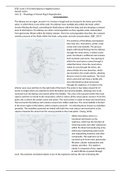
The anatomy of the kidney encompasses
the renal vein, renal artery, ureter, renal
cortex and renal medulla. The process
begins with blood flowing into the kidneys
through the renal artery, in which at this
point, the blood is unfiltered and contains
both nutrients and toxins. The opening in
which the renal artery comes through is
called the hilum. Once the renal artery
makes its way through the hilum, the
artery divides into two branches, which
also branches into small arteries, allowing
blood to travel to the nephrons. The renal
artery and renal vein have a similar job,
once the blood has been processed
through the nephrons, it is taken to the
inferior vena cava and then to the right side of the heart. The ureter is two tubes around 10-12
inches in length which are attached to both the kidney and urinary bladder, allowing urine to be
removed from the kidneys and stored within the bladder. The urine is first present within the renal
calyces and then is moved to the renal pelvis, which is where all the renal calyces connect. From this
point, this is where the ureters come into action. The renal cortex is a layer of tissue and renal fascia
that surrounds the kidneys and contains around one million nephrons. The renal medulla is located
in the inner region of the kidney, which contains around 8 – 12 collecting ducts, known as medullary
pyramids. The medullary pyramids are linked with both the renal calyces and renal pelvis as the
calycles channels the urine from the renal pyramids to the renal pelvis. (Young, 2014)
Within the kidney, there is a
functional unit known as the
nephrons, which has the function of
removing waste and other substances
within the blood and producing urine,
whilst also maintaining water levels
and reabsorbing nutrients and other
compounds. The nephrons can be
summed up in three roles, glomerular
filtration, tubular reabsorption and
tubular secretion. The nephron
tubule is composed of four segments
in which filtrate is passed through
each. The proximal convoluted tubule is one of the segments and has the role of draining the
Samuel James
Unit 12 – Physiology of Human Reg & Reproduction
Osmoregulation
The kidneys are an organ, around 4 to 5 inches in length and are located in the lower part of the
spine, in which there is one either side. The kidneys have multiple jobs within the body, which
involve filtering the blood, controlling the fluid balance within the body and also keeping a constant
level of electrolytes. The kidneys are vital is osmoregulation as they regulate water reabsorption
from glomerular filtrate within the kidney tubules. The term osmoregulation describes the constant
osmotic pressure of the fluids within the body, using water and salt concentrations. (BBC, 2014)
The anatomy of the kidney encompasses
the renal vein, renal artery, ureter, renal
cortex and renal medulla. The process
begins with blood flowing into the kidneys
through the renal artery, in which at this
point, the blood is unfiltered and contains
both nutrients and toxins. The opening in
which the renal artery comes through is
called the hilum. Once the renal artery
makes its way through the hilum, the
artery divides into two branches, which
also branches into small arteries, allowing
blood to travel to the nephrons. The renal
artery and renal vein have a similar job,
once the blood has been processed
through the nephrons, it is taken to the
inferior vena cava and then to the right side of the heart. The ureter is two tubes around 10-12
inches in length which are attached to both the kidney and urinary bladder, allowing urine to be
removed from the kidneys and stored within the bladder. The urine is first present within the renal
calyces and then is moved to the renal pelvis, which is where all the renal calyces connect. From this
point, this is where the ureters come into action. The renal cortex is a layer of tissue and renal fascia
that surrounds the kidneys and contains around one million nephrons. The renal medulla is located
in the inner region of the kidney, which contains around 8 – 12 collecting ducts, known as medullary
pyramids. The medullary pyramids are linked with both the renal calyces and renal pelvis as the
calycles channels the urine from the renal pyramids to the renal pelvis. (Young, 2014)
Within the kidney, there is a
functional unit known as the
nephrons, which has the function of
removing waste and other substances
within the blood and producing urine,
whilst also maintaining water levels
and reabsorbing nutrients and other
compounds. The nephrons can be
summed up in three roles, glomerular
filtration, tubular reabsorption and
tubular secretion. The nephron
tubule is composed of four segments
in which filtrate is passed through
each. The proximal convoluted tubule is one of the segments and has the role of draining the