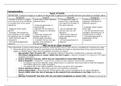
,Chapter Topic Subtopics
Guiding Psychopharmacology Principles;
Additional Guiding Principles; Organization and
1 Getting Started
Overview; Selected Changes and Updates in Third
Edition
Rationale for the Conceptual Framework; Group 1
Conceptual Framework for
Medications for ADHD, Anxiety, and Depression;
2 Prescribing Psychotropic
Group 2 Medications; Group 3 Medications;
Medications
References
Overview; Diagnosis of Common Disorders
(ADHD, Anxiety, Depression); Diagnosis of
Common Comorbidities; Recognizing Other
3 Making a Diagnosis
Psychiatric Disorders; Determine if Medication Is
Indicated; Recognize Need for Referral;
References
Formulation; Feedback; Nonmedication
Interventions; Informed Consent; Specific
Consent Issues; Off-label Prescribing; FDA
4 Laying the Groundwork
Boxed Warnings; Triage for Psychiatric and
Social Emergencies; Important Considerations for
Safe and Effective Prescribing; References
Group 1 Medications for General Guidance; Methylphenidate;
5 Attention-Deficit/Hyperactivity Amphetamine; Guanfacine; Clonidine;
Disorder Atomoxetine; Viloxazine; Summary; References
General Guidance; SSRIs;
Group 1 Medications for Anxiety
6 Serotonin-Noradrenergic Reuptake Inhibitor
and Depression
(Duloxetine); Summary; References
Group 2 Medications:
Rationale; Antipsychotics; The Mood Stabilizer
7 FDA-Approved Antipsychotics
Lithium; Summary; References
and Mood Stabilizers
Other Antidepressants; Other Antipsychotics;
Group 3 Medications: Others
8 Other Mood Stabilizers; Anxiolytics; Sleep Aids;
Commonly Prescribed
Future Considerations; References
Reevaluate Therapies; Reevaluate Medication;
Discontinuing Group 1 Medications; Switching
Group 1 Medications; When to Consider Group 2
9 Fine Tuning Treatment or Lithium; When to Consider Group 3
(Off-label); Drug Levels or Genetic Testing; Can
Genotyping Improve Response?; Consultation or
Second Opinion; References
Reassess Diagnoses; Complex Psychosocial
10 Managing Treatment Impasses Presentations; Expert Consultation or Referral;
References
,Chapter 1.
Q1. Which principle best describes the pediatric prescribing
maxim “start low, go slow”?
A. Begin at the usual adult dose and taper based on response
B. Begin at a low dose and titrate upward gradually
C. Use a fixed dose regardless of clinical response
D. Initiate treatment at the highest tolerable dose for quicker
effect
Correct Answer: B
Rationale: “Start low, go slow” means initiating at the lowest
effective dose and increasing slowly to monitor efficacy and
tolerability. Adult doses aren’t appropriate for children (A); fixed
doses ignore individual response (C); high initial doses risk
adverse effects (D).
Q2. Which factor is least important when assessing safety
before prescribing psychotropic medications in children?
A. Developmental stage
B. Concomitant medical conditions
C. Family history of psychiatric disorders
D. Color preference of the medication
Correct Answer: D
Rationale: Developmental stage (A), medical comorbidities (B),
, and family history (C) all influence drug selection and risk. Color
preference (D) has no bearing on pharmacology or safety.
Q3. Informed consent in pediatric psychopharmacology must
include all except:
A. Explanation of diagnosis
B. Discussion of alternative treatments
C. Guarantee of symptom resolution
D. Potential side effects
Correct Answer: C
Rationale: Providers must explain diagnosis (A), alternatives (B),
and side effects (D). They cannot guarantee resolution (C), as
individual responses vary.
Q4. Which statement best reflects a guiding principle of
integrated care in pediatric psychopharmacology?
A. Medication alone is sufficient for all patients
B. Psychosocial interventions should be deferred until
medications work
C. Medications are one component within a broader
biopsychosocial approach
D. Referrals for therapy are unnecessary if medication is
prescribed
Correct Answer: C
Guiding Psychopharmacology Principles;
Additional Guiding Principles; Organization and
1 Getting Started
Overview; Selected Changes and Updates in Third
Edition
Rationale for the Conceptual Framework; Group 1
Conceptual Framework for
Medications for ADHD, Anxiety, and Depression;
2 Prescribing Psychotropic
Group 2 Medications; Group 3 Medications;
Medications
References
Overview; Diagnosis of Common Disorders
(ADHD, Anxiety, Depression); Diagnosis of
Common Comorbidities; Recognizing Other
3 Making a Diagnosis
Psychiatric Disorders; Determine if Medication Is
Indicated; Recognize Need for Referral;
References
Formulation; Feedback; Nonmedication
Interventions; Informed Consent; Specific
Consent Issues; Off-label Prescribing; FDA
4 Laying the Groundwork
Boxed Warnings; Triage for Psychiatric and
Social Emergencies; Important Considerations for
Safe and Effective Prescribing; References
Group 1 Medications for General Guidance; Methylphenidate;
5 Attention-Deficit/Hyperactivity Amphetamine; Guanfacine; Clonidine;
Disorder Atomoxetine; Viloxazine; Summary; References
General Guidance; SSRIs;
Group 1 Medications for Anxiety
6 Serotonin-Noradrenergic Reuptake Inhibitor
and Depression
(Duloxetine); Summary; References
Group 2 Medications:
Rationale; Antipsychotics; The Mood Stabilizer
7 FDA-Approved Antipsychotics
Lithium; Summary; References
and Mood Stabilizers
Other Antidepressants; Other Antipsychotics;
Group 3 Medications: Others
8 Other Mood Stabilizers; Anxiolytics; Sleep Aids;
Commonly Prescribed
Future Considerations; References
Reevaluate Therapies; Reevaluate Medication;
Discontinuing Group 1 Medications; Switching
Group 1 Medications; When to Consider Group 2
9 Fine Tuning Treatment or Lithium; When to Consider Group 3
(Off-label); Drug Levels or Genetic Testing; Can
Genotyping Improve Response?; Consultation or
Second Opinion; References
Reassess Diagnoses; Complex Psychosocial
10 Managing Treatment Impasses Presentations; Expert Consultation or Referral;
References
,Chapter 1.
Q1. Which principle best describes the pediatric prescribing
maxim “start low, go slow”?
A. Begin at the usual adult dose and taper based on response
B. Begin at a low dose and titrate upward gradually
C. Use a fixed dose regardless of clinical response
D. Initiate treatment at the highest tolerable dose for quicker
effect
Correct Answer: B
Rationale: “Start low, go slow” means initiating at the lowest
effective dose and increasing slowly to monitor efficacy and
tolerability. Adult doses aren’t appropriate for children (A); fixed
doses ignore individual response (C); high initial doses risk
adverse effects (D).
Q2. Which factor is least important when assessing safety
before prescribing psychotropic medications in children?
A. Developmental stage
B. Concomitant medical conditions
C. Family history of psychiatric disorders
D. Color preference of the medication
Correct Answer: D
Rationale: Developmental stage (A), medical comorbidities (B),
, and family history (C) all influence drug selection and risk. Color
preference (D) has no bearing on pharmacology or safety.
Q3. Informed consent in pediatric psychopharmacology must
include all except:
A. Explanation of diagnosis
B. Discussion of alternative treatments
C. Guarantee of symptom resolution
D. Potential side effects
Correct Answer: C
Rationale: Providers must explain diagnosis (A), alternatives (B),
and side effects (D). They cannot guarantee resolution (C), as
individual responses vary.
Q4. Which statement best reflects a guiding principle of
integrated care in pediatric psychopharmacology?
A. Medication alone is sufficient for all patients
B. Psychosocial interventions should be deferred until
medications work
C. Medications are one component within a broader
biopsychosocial approach
D. Referrals for therapy are unnecessary if medication is
prescribed
Correct Answer: C