ESTUDYR
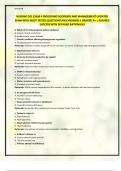
NURSING 201 EXAM 4 ENDOCRINE DISORDERS AND MANAGEMENT UPDATED
EXAM WITH MOST TESTED QUESTIONS AND ANSWERS | GRADED A+ | ASSURED
SUCCESS WITH DETAILED RATIONALES
Which of the following best defines diabetes?
A. Excess cortisol production
B. Acute muscle spasm disorder
C. Chronic condition affecting blood glucose regulation
D. Overproduction of thyroid hormone
Rationale: Diabetes involves impaired insulin secretion or action, leading to abnormal glucose levels.
Hypersecretion refers to:
A. Underproduction of hormones
B. Excessive hormone production by a gland
C. Normal hormone levels
D. Periodic hormone release
Rationale: Hypersecretion means too much hormone is secreted.
SIADH is characterized by:
A. Excess sodium excretion
B. Dehydration and hypernatremia
C. Water retention and hyponatremia
D. Elevated potassium levels
Rationale: SIADH causes inappropriate ADH release → water retention and low serum sodium.
Acromegaly results from:
A. Growth hormone deficiency
B. Cortisol excess
C. Excess growth hormone in adulthood
D. Thyroid hormone deficiency
Rationale: Excess GH after epiphyseal closure enlarges hands, face, feet.
Tetany is a sign of:
A. Hyperkalemia
B. Hyperglycemia
C. Hypocalcemia–related muscle spasms
D. Hypernatremia
Rationale: Low calcium increases neuromuscular irritability, causing tetany.
Addison’s disease is:
A. Excess adrenal cortex activity
B. Thyroid overactivity
C. Primary adrenal insufficiency
,ESTUDYR
D. Growth hormone excess
Rationale: Autoimmune destruction of adrenal cortex → cortisol/aldosterone deficiency.
Cushing’s syndrome features all EXCEPT:
A. Weight gain
B. Hypertension
C. Hypoglycemia
D. Moon face
Rationale: Cortisol excess causes hyperglycemia, not low blood sugar.
Methylprednisolone is used primarily as a:
A. Diuretic
B. Anti-inflammatory corticosteroid
C. Insulin sensitizer
D. Thyroid hormone
Rationale: It mimics cortisol to suppress inflammation.
Stridor indicates:
A. Lower airway obstruction
B. Cardiac murmur
C. Upper airway obstruction
D. Diaphragmatic paralysis
Rationale: High-pitched sound from turbulent airflow at the larynx/trachea.
Hypoglycemia symptoms include all EXCEPT:
A. Confusion
B. Irritability
C. Sweating
D. Polyuria
Rationale: Polyuria is sign of hyperglycemia, not low blood sugar.
Levothyroxine treats:
A. Hyperthyroidism
B. Diabetes insipidus
C. Hypothyroidism
D. Cushing’s syndrome
Rationale: Synthetic T4 replaces deficient thyroid hormone.
A blood glucose reading of 65 mg/dL is considered:
A. Normal
B. Hypoglycemic
C. Diabetic
D. Hyperglycemic
Rationale: Values <70 mg/dL are typically hypoglycemia.
, ESTUDYR
Fluid intake restriction is a key management for:
A. Diabetes mellitus
B. SIADH
C. Hypothyroidism
D. Addison’s disease
Rationale: Limiting free water helps correct hyponatremia in SIADH.
Daily weight monitoring is crucial to assess:
A. Blood sugar control
B. Thyroid function
C. Fluid balance
D. Cortisol levels
Rationale: Weight changes reflect fluid retention or loss.
An emergency tracheostomy is indicated when:
A. Blood glucose falls
B. Airway obstruction is life-threatening
C. Thyroid storm occurs
D. Electrolytes are abnormal
Answer: B
Rationale: A surgical airway secures ventilation when upper airway is compromised.
Monitoring potassium levels is critical for:
A. Thyroid hormone dosing
B. Cardiac function
C. Growth hormone therapy
D. Cortisol replacement
Rationale: Potassium directly affects cardiac conduction and muscle function.
Hypotension in adrenal crisis results from:
A. Excess aldosterone
B. Increased cortisol
C. Aldosterone deficiency
D. Thyroid dysfunction
Rationale: Low aldosterone → sodium/water loss → low blood pressure.
Tingling in fingers often signals:
A. Hyperglycemia
B. Electrolyte imbalance (e.g., hypocalcemia)
C. Excess cortisol
D. Insulin overdose
Rationale: Neuropathy or low calcium frequently causes paresthesias.
NURSING 201 EXAM 4 ENDOCRINE DISORDERS AND MANAGEMENT UPDATED
EXAM WITH MOST TESTED QUESTIONS AND ANSWERS | GRADED A+ | ASSURED
SUCCESS WITH DETAILED RATIONALES
Which of the following best defines diabetes?
A. Excess cortisol production
B. Acute muscle spasm disorder
C. Chronic condition affecting blood glucose regulation
D. Overproduction of thyroid hormone
Rationale: Diabetes involves impaired insulin secretion or action, leading to abnormal glucose levels.
Hypersecretion refers to:
A. Underproduction of hormones
B. Excessive hormone production by a gland
C. Normal hormone levels
D. Periodic hormone release
Rationale: Hypersecretion means too much hormone is secreted.
SIADH is characterized by:
A. Excess sodium excretion
B. Dehydration and hypernatremia
C. Water retention and hyponatremia
D. Elevated potassium levels
Rationale: SIADH causes inappropriate ADH release → water retention and low serum sodium.
Acromegaly results from:
A. Growth hormone deficiency
B. Cortisol excess
C. Excess growth hormone in adulthood
D. Thyroid hormone deficiency
Rationale: Excess GH after epiphyseal closure enlarges hands, face, feet.
Tetany is a sign of:
A. Hyperkalemia
B. Hyperglycemia
C. Hypocalcemia–related muscle spasms
D. Hypernatremia
Rationale: Low calcium increases neuromuscular irritability, causing tetany.
Addison’s disease is:
A. Excess adrenal cortex activity
B. Thyroid overactivity
C. Primary adrenal insufficiency
,ESTUDYR
D. Growth hormone excess
Rationale: Autoimmune destruction of adrenal cortex → cortisol/aldosterone deficiency.
Cushing’s syndrome features all EXCEPT:
A. Weight gain
B. Hypertension
C. Hypoglycemia
D. Moon face
Rationale: Cortisol excess causes hyperglycemia, not low blood sugar.
Methylprednisolone is used primarily as a:
A. Diuretic
B. Anti-inflammatory corticosteroid
C. Insulin sensitizer
D. Thyroid hormone
Rationale: It mimics cortisol to suppress inflammation.
Stridor indicates:
A. Lower airway obstruction
B. Cardiac murmur
C. Upper airway obstruction
D. Diaphragmatic paralysis
Rationale: High-pitched sound from turbulent airflow at the larynx/trachea.
Hypoglycemia symptoms include all EXCEPT:
A. Confusion
B. Irritability
C. Sweating
D. Polyuria
Rationale: Polyuria is sign of hyperglycemia, not low blood sugar.
Levothyroxine treats:
A. Hyperthyroidism
B. Diabetes insipidus
C. Hypothyroidism
D. Cushing’s syndrome
Rationale: Synthetic T4 replaces deficient thyroid hormone.
A blood glucose reading of 65 mg/dL is considered:
A. Normal
B. Hypoglycemic
C. Diabetic
D. Hyperglycemic
Rationale: Values <70 mg/dL are typically hypoglycemia.
, ESTUDYR
Fluid intake restriction is a key management for:
A. Diabetes mellitus
B. SIADH
C. Hypothyroidism
D. Addison’s disease
Rationale: Limiting free water helps correct hyponatremia in SIADH.
Daily weight monitoring is crucial to assess:
A. Blood sugar control
B. Thyroid function
C. Fluid balance
D. Cortisol levels
Rationale: Weight changes reflect fluid retention or loss.
An emergency tracheostomy is indicated when:
A. Blood glucose falls
B. Airway obstruction is life-threatening
C. Thyroid storm occurs
D. Electrolytes are abnormal
Answer: B
Rationale: A surgical airway secures ventilation when upper airway is compromised.
Monitoring potassium levels is critical for:
A. Thyroid hormone dosing
B. Cardiac function
C. Growth hormone therapy
D. Cortisol replacement
Rationale: Potassium directly affects cardiac conduction and muscle function.
Hypotension in adrenal crisis results from:
A. Excess aldosterone
B. Increased cortisol
C. Aldosterone deficiency
D. Thyroid dysfunction
Rationale: Low aldosterone → sodium/water loss → low blood pressure.
Tingling in fingers often signals:
A. Hyperglycemia
B. Electrolyte imbalance (e.g., hypocalcemia)
C. Excess cortisol
D. Insulin overdose
Rationale: Neuropathy or low calcium frequently causes paresthesias.