Chapter 10: Bacterial Diversity
MULTIPLE CHOICE
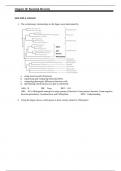
1. The evolutionary relationships in this figure were determined by
a. using fossil records of bacteria.
b. sequencing and comparing ribosomal RNA.
c. comparing phenotypic differences between cells.
d. determining which bacteria are able to interbreed.
ANS: B DIF: Easy REF: 10.1
OBJ: 10.1a Distinguish among five major groups of bacteria: Gram-positive bacteria, Gram-negative
bacteria,spirochetes, Cyanobacteria, and Chlamydias. MSC: Understanding
2. Using the figure shown, which genus is most closely related to Chlamydia?
, a. Treponema c. Clostridium
b. Verrucomicrobium d. Pseudomonas
ANS: B DIF: Easy REF: 10.1
OBJ: 10.1a Distinguish among five major groups of bacteria: Gram-positive bacteria, Gram-negative
bacteria,spirochetes, Cyanobacteria, and Chlamydias. MSC: Applying
3. An environmental sample from the ocean contains phototrophic bacteria that produce oxygen. How
would you classify these bacteria?
a. Information about the cell wall would be required to determine whether these bacteria are
Gram positive or Gram negative.
b. These bacteria must be cyanobacteria based on their production of oxygen.
c. It is highly probable that these bacteria are Gram-negative bacteria based on their presence
in a marine environment.
d. These bacteria must be chlamydia found within unicellular organisms.
ANS: B DIF: Easy REF: 10.1
OBJ: 10.1a Distinguish among five major groups of bacteria: Gram-positive bacteria, Gram-negative
bacteria,spirochetes, Cyanobacteria, and Chlamydias. MSC: Analyzing
4. Which of the following statements would most likely indicate an isolate is a Gram-positive bacterium
and excludes other bacteria?
a. The isolate was found in a soil sample.
b. The isolate forms dormant endospores.
c. The isolate is an intracellular pathogen.
d. The isolate produces oxygen.
ANS: B DIF: Moderate REF: 10.1
OBJ: 10.1a Distinguish among five major groups of bacteria: Gram-positive bacteria, Gram-negative
bacteria,spirochetes, Cyanobacteria, and Chlamydias. MSC: Analyzing
5. Which of the following is NOT an example of a positive role that bacteria play in an ecosystem?
a. fixation of carbon dioxide into biomass
, b. oxygen production
c. breakdown of pollutants
d. pathogenic relationship with humans
ANS: D DIF: Easy REF: 10.1
OBJ: 10.1b Describe the positive roles of bacteria in ecosystems.
MSC: Understanding
6. A bacterial disease previously known to only infect dogs begins to cause respiratory infections in
humans who are in close contact with infected dogs. Which of the following explanations most likely
explains the emergence of this new human pathogen?
a. The genome of the bacterium changed through horizontal gene transfer within the
microbiota of the dog.
b. There was a mutation in the human genome that allowed the bacterium to attack human
cells more vigorously.
c. The bacterium became infected by a mutation-inducing virus transmitted through flea
bites on the dog.
d. The bacterium forms dormant endospores that remain in the environment even after the
infected dogs are removed.
ANS: A DIF: Difficult REF: 10.1
OBJ: 10.1c Describe how new pathogens emerge to cause new diseases.
MSC: Analyzing
7. A soil sample taken shortly after a large chemical spill has occurred reveals only a few living bacteria.
Six months later, a second sample from the same site reveals only a single bacterial species, which is
present in high numbers. What may have caused this change?
a. This bacterial species was most likely left at the site by the original sampling equipment.
b. Animals passing through the area most likely deposited fecal matter full of microbiota.
c. The bacterial species found in high numbers contains at least one gene that provides a
competitive advantage.
d. The single bacterial species must have been within the gut of a shelter species.
ANS: C DIF: Difficult REF: 10.1
OBJ: 10.1c Describe how new pathogens emerge to cause new diseases.
MSC: Evaluating
8. Which of the following characteristics is associated with bacteria in the phylum Firmicutes and most
likely helps them survive dryness?
a. a thick waxy coat that excludes Gram stain
b. horizontal gene transfer between two cells
c. thick cell walls with multiple layers of peptidoglycan
d. an ability to ferment sugars to lactic acid
ANS: C DIF: Easy REF: 10.2
OBJ: 10.2a Describe the traits that enable Firmicutes to survive dryness and persist for long periods.
MSC: Applying
9. Which of the following most likely preceded the division shown?
MULTIPLE CHOICE
1. The evolutionary relationships in this figure were determined by
a. using fossil records of bacteria.
b. sequencing and comparing ribosomal RNA.
c. comparing phenotypic differences between cells.
d. determining which bacteria are able to interbreed.
ANS: B DIF: Easy REF: 10.1
OBJ: 10.1a Distinguish among five major groups of bacteria: Gram-positive bacteria, Gram-negative
bacteria,spirochetes, Cyanobacteria, and Chlamydias. MSC: Understanding
2. Using the figure shown, which genus is most closely related to Chlamydia?
, a. Treponema c. Clostridium
b. Verrucomicrobium d. Pseudomonas
ANS: B DIF: Easy REF: 10.1
OBJ: 10.1a Distinguish among five major groups of bacteria: Gram-positive bacteria, Gram-negative
bacteria,spirochetes, Cyanobacteria, and Chlamydias. MSC: Applying
3. An environmental sample from the ocean contains phototrophic bacteria that produce oxygen. How
would you classify these bacteria?
a. Information about the cell wall would be required to determine whether these bacteria are
Gram positive or Gram negative.
b. These bacteria must be cyanobacteria based on their production of oxygen.
c. It is highly probable that these bacteria are Gram-negative bacteria based on their presence
in a marine environment.
d. These bacteria must be chlamydia found within unicellular organisms.
ANS: B DIF: Easy REF: 10.1
OBJ: 10.1a Distinguish among five major groups of bacteria: Gram-positive bacteria, Gram-negative
bacteria,spirochetes, Cyanobacteria, and Chlamydias. MSC: Analyzing
4. Which of the following statements would most likely indicate an isolate is a Gram-positive bacterium
and excludes other bacteria?
a. The isolate was found in a soil sample.
b. The isolate forms dormant endospores.
c. The isolate is an intracellular pathogen.
d. The isolate produces oxygen.
ANS: B DIF: Moderate REF: 10.1
OBJ: 10.1a Distinguish among five major groups of bacteria: Gram-positive bacteria, Gram-negative
bacteria,spirochetes, Cyanobacteria, and Chlamydias. MSC: Analyzing
5. Which of the following is NOT an example of a positive role that bacteria play in an ecosystem?
a. fixation of carbon dioxide into biomass
, b. oxygen production
c. breakdown of pollutants
d. pathogenic relationship with humans
ANS: D DIF: Easy REF: 10.1
OBJ: 10.1b Describe the positive roles of bacteria in ecosystems.
MSC: Understanding
6. A bacterial disease previously known to only infect dogs begins to cause respiratory infections in
humans who are in close contact with infected dogs. Which of the following explanations most likely
explains the emergence of this new human pathogen?
a. The genome of the bacterium changed through horizontal gene transfer within the
microbiota of the dog.
b. There was a mutation in the human genome that allowed the bacterium to attack human
cells more vigorously.
c. The bacterium became infected by a mutation-inducing virus transmitted through flea
bites on the dog.
d. The bacterium forms dormant endospores that remain in the environment even after the
infected dogs are removed.
ANS: A DIF: Difficult REF: 10.1
OBJ: 10.1c Describe how new pathogens emerge to cause new diseases.
MSC: Analyzing
7. A soil sample taken shortly after a large chemical spill has occurred reveals only a few living bacteria.
Six months later, a second sample from the same site reveals only a single bacterial species, which is
present in high numbers. What may have caused this change?
a. This bacterial species was most likely left at the site by the original sampling equipment.
b. Animals passing through the area most likely deposited fecal matter full of microbiota.
c. The bacterial species found in high numbers contains at least one gene that provides a
competitive advantage.
d. The single bacterial species must have been within the gut of a shelter species.
ANS: C DIF: Difficult REF: 10.1
OBJ: 10.1c Describe how new pathogens emerge to cause new diseases.
MSC: Evaluating
8. Which of the following characteristics is associated with bacteria in the phylum Firmicutes and most
likely helps them survive dryness?
a. a thick waxy coat that excludes Gram stain
b. horizontal gene transfer between two cells
c. thick cell walls with multiple layers of peptidoglycan
d. an ability to ferment sugars to lactic acid
ANS: C DIF: Easy REF: 10.2
OBJ: 10.2a Describe the traits that enable Firmicutes to survive dryness and persist for long periods.
MSC: Applying
9. Which of the following most likely preceded the division shown?