6/30/25, 10:46 AM NUR356 Exam / Flashcards | Quizlet
NUR356 Exam /
Save
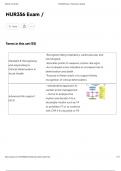
Terms in this set (93)
-Recognise failing respiratory, cardiovascular, and
neurological
Standard 8: Recognising
-Allocates points to measure routine vital signs.
and responding to
-An increased score indicates an increased risk of
Clinical Deterioration in
deterioration and death.
Acute Health.
-Purpose of these charts is to support timely
recognition of clinical deterioration.
- standardised approach to
cardiac arrest management
-• Nurse to analyses the
Advanced life support
rhythm and decide if it's a
(ALS)
shockable rhythm such as VF
or pulseless VT or to continue
with CPR if it's Asystole or PE
https://quizlet.com/1057685502/nur356-exam-flash-cards/?new 1/19
,6/30/25, 10:46 AM NUR356 Exam / Flashcards | Quizlet
Adrenaline: Shockable and Non-Shockable
-1mg bolus (10ml of 1:10,000) or (1ml 1:1000)
• Vasoconstriction leads to an increase in coronary
and cerebral perfusion
• Increases coronary and cerebral blood flow
ALS Drugs
Amiodarone: Shockable Only
-300mg bolus diluted in 20ml of 5% dextrose
• Anti-arrhythmic
• Increases the duration of the action potential and
refractory period in atrial and myocardium
• AV conduction is slowed
Ventricular Fibrillation (VF) & Ventricular
Shockable
Tachycardia (VT)
-Asystole
Non-Shockable
-Pulseless Electrical Activity (PEA
-Hypoxia
-Hypovolaemia
-Hypokalaemia
-Hypothermia
4 Hs and 4 T's
-Tension pneumothorax
-Tamponade
-Toxins
-Thrombosis
-Re-evaluate A-E
-12 lead ecg
Post resus care -Treat precipitating cause
-Aim for Sp02 94-98%
-Targeted temperature management
https://quizlet.com/1057685502/nur356-exam-flash-cards/?new 2/19
, 6/30/25, 10:46 AM NUR356 Exam / Flashcards | Quizlet
Indications:
• Upper airway obstruction
• Apnea
• High-risk aspirations
Endotracheal Tube (ETT)
Equipment:
• Suction
• Laryngoscope
• Cuffed ETT tube
• Lubricant
• Observing the physical signs of the patient
• Observe Tidal volume and pressure.
• Gas exchange
Nursing care of an • Lung auscultation every 2-4hrs for presence of
intubated patient secretions
• Maintain humidification
• Monitor vital signs
Oral hygiene every 2hrs (Prevent VAP
Benefits:
• Immediate access to the central venous system
• Reduced need for venepuncture
• Allows for continuous and rapid administration of
Central Line Catheter
medications and fluids
CVC
Risks:
• Increased risk of systemic infection
• Invasiveness of the procedure
-It is the the positive pressure that will remain in the
airways at the end of the respiratory cycle through
positive end-expiratory
the use of a peep valve causing resistant/pressure
pressure (PEEP)
in the lungs which causing lungs not to fully
deflate.
https://quizlet.com/1057685502/nur356-exam-flash-cards/?new 3/19
NUR356 Exam /
Save
Terms in this set (93)
-Recognise failing respiratory, cardiovascular, and
neurological
Standard 8: Recognising
-Allocates points to measure routine vital signs.
and responding to
-An increased score indicates an increased risk of
Clinical Deterioration in
deterioration and death.
Acute Health.
-Purpose of these charts is to support timely
recognition of clinical deterioration.
- standardised approach to
cardiac arrest management
-• Nurse to analyses the
Advanced life support
rhythm and decide if it's a
(ALS)
shockable rhythm such as VF
or pulseless VT or to continue
with CPR if it's Asystole or PE
https://quizlet.com/1057685502/nur356-exam-flash-cards/?new 1/19
,6/30/25, 10:46 AM NUR356 Exam / Flashcards | Quizlet
Adrenaline: Shockable and Non-Shockable
-1mg bolus (10ml of 1:10,000) or (1ml 1:1000)
• Vasoconstriction leads to an increase in coronary
and cerebral perfusion
• Increases coronary and cerebral blood flow
ALS Drugs
Amiodarone: Shockable Only
-300mg bolus diluted in 20ml of 5% dextrose
• Anti-arrhythmic
• Increases the duration of the action potential and
refractory period in atrial and myocardium
• AV conduction is slowed
Ventricular Fibrillation (VF) & Ventricular
Shockable
Tachycardia (VT)
-Asystole
Non-Shockable
-Pulseless Electrical Activity (PEA
-Hypoxia
-Hypovolaemia
-Hypokalaemia
-Hypothermia
4 Hs and 4 T's
-Tension pneumothorax
-Tamponade
-Toxins
-Thrombosis
-Re-evaluate A-E
-12 lead ecg
Post resus care -Treat precipitating cause
-Aim for Sp02 94-98%
-Targeted temperature management
https://quizlet.com/1057685502/nur356-exam-flash-cards/?new 2/19
, 6/30/25, 10:46 AM NUR356 Exam / Flashcards | Quizlet
Indications:
• Upper airway obstruction
• Apnea
• High-risk aspirations
Endotracheal Tube (ETT)
Equipment:
• Suction
• Laryngoscope
• Cuffed ETT tube
• Lubricant
• Observing the physical signs of the patient
• Observe Tidal volume and pressure.
• Gas exchange
Nursing care of an • Lung auscultation every 2-4hrs for presence of
intubated patient secretions
• Maintain humidification
• Monitor vital signs
Oral hygiene every 2hrs (Prevent VAP
Benefits:
• Immediate access to the central venous system
• Reduced need for venepuncture
• Allows for continuous and rapid administration of
Central Line Catheter
medications and fluids
CVC
Risks:
• Increased risk of systemic infection
• Invasiveness of the procedure
-It is the the positive pressure that will remain in the
airways at the end of the respiratory cycle through
positive end-expiratory
the use of a peep valve causing resistant/pressure
pressure (PEEP)
in the lungs which causing lungs not to fully
deflate.
https://quizlet.com/1057685502/nur356-exam-flash-cards/?new 3/19