Ahip 2025 Module 3
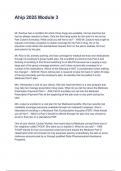
Mr. Zachow has a condition for which three drugs are available. He has tried two but
had an allergic reaction to them. Only the third drug works for him and it is not on his
Part D plan's formulary. What could you tell him to do? - ANS Mr. Zachow has a right to
request a formulary exception to obtain coverage for his Part D drug. He or his
physician could obtain the standardized request form on the plan's website, fill it out,
and submit it to his plan.
Mr. Rice is 68, actively working, and has coverage for medical services and medications
through his employer's group health plan. He is entitled to premium free Part A and
thinking of enrolling in Part B and switching to an MA-PD because he is paying a very
large part of his group coverage premium, and it does not provide coverage for a
number of his medications. Which of the following is NOT a consideration when making
the change? - ANS Mr. Rice's retiree plan is required to take him back if, within 63 days
of having voluntarily quit the employer's plan, he decides that he prefers it to his
Medicare Part D plan.
Mrs. Hernandez is one of your clients. She has read that there is a new program that
may help her manage prescription drug costs. What do you tell her about the Medicare
Prescription Payment Plan? - ANS Part D enrollees can opt into the Medicare
Prescription Payment Plan at the beginning of the plan year or any point during the
year.
Mrs. Lopez is enrolled in a cost plan for her Medicare benefits. She has recently lost
creditable coverage previously available through her husband's employer. She is
interested in enrolling in a Medicare Part D prescription drug plan (PDP). What should
you tell her? - ANS If a Part D benefit is offered through her plan she may choose to
enroll in that plan or a standalone PDP.
One of your clients, Lauren Nichols, has heard about a Medicare concept from one of
her neighbors called TrOOP. She asks you to explain it. What do you say? - ANS
TrOOP stands for true out-of-pocket costs that count toward the Medicare Part D
catastrophic limit and include not only expenses paid by a beneficiary but also in some
instances amounts paid by or through qualified State Pharmaceutical Assistance
Programs.
Mr. Zachow has a condition for which three drugs are available. He has tried two but
had an allergic reaction to them. Only the third drug works for him and it is not on his
Part D plan's formulary. What could you tell him to do? - ANS Mr. Zachow has a right to
request a formulary exception to obtain coverage for his Part D drug. He or his
physician could obtain the standardized request form on the plan's website, fill it out,
and submit it to his plan.
Mr. Rice is 68, actively working, and has coverage for medical services and medications
through his employer's group health plan. He is entitled to premium free Part A and
thinking of enrolling in Part B and switching to an MA-PD because he is paying a very
large part of his group coverage premium, and it does not provide coverage for a
number of his medications. Which of the following is NOT a consideration when making
the change? - ANS Mr. Rice's retiree plan is required to take him back if, within 63 days
of having voluntarily quit the employer's plan, he decides that he prefers it to his
Medicare Part D plan.
Mrs. Hernandez is one of your clients. She has read that there is a new program that
may help her manage prescription drug costs. What do you tell her about the Medicare
Prescription Payment Plan? - ANS Part D enrollees can opt into the Medicare
Prescription Payment Plan at the beginning of the plan year or any point during the
year.
Mrs. Lopez is enrolled in a cost plan for her Medicare benefits. She has recently lost
creditable coverage previously available through her husband's employer. She is
interested in enrolling in a Medicare Part D prescription drug plan (PDP). What should
you tell her? - ANS If a Part D benefit is offered through her plan she may choose to
enroll in that plan or a standalone PDP.
One of your clients, Lauren Nichols, has heard about a Medicare concept from one of
her neighbors called TrOOP. She asks you to explain it. What do you say? - ANS
TrOOP stands for true out-of-pocket costs that count toward the Medicare Part D
catastrophic limit and include not only expenses paid by a beneficiary but also in some
instances amounts paid by or through qualified State Pharmaceutical Assistance
Programs.