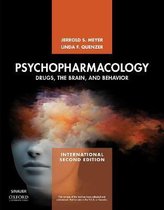
Psychopharmacology Drugs the Brain And Behavior 3rd Edition meyer Nursing
Test Bank
,Psychopharmacology Drugs the Brain And Behavior 3rd Edition meyer Nursing
Test Bank
Test Bank
to accompany
Psychopharmacology, Third Edition
Meyer • Quenzer
Chapter 1: Principles of Pharmacology
Multiple Choice
1. refer(s) to specific molecular changes that occur when a drug binds to a
particular target site or receptor, while are the resulting widespread alterations
in function.
a. Drug action; therapeutic effects
b. Side effects; drug effects
c. Therapeutic effects; side effects
d. Drug action; drug effects
Answer: d
Textbook Reference: Pharmacology: The Science of Drug Action
2. After drug administration has occurred, the amount of drug in the blood that is free to
bind at specific target sites is referred to as
a. the therapeutic dose.
b. first-pass effects.
c. bioavailability.
d. ED50.
Answer: c
Textbook Reference: Pharmacokinetic Factors Determining Drug Action
3. The specific molecular changes that occur when a drug binds to a particular target site
or receptor are referred to as
a. drug effects.
b. drug action.
c. side effects.
d. placebo effects.
Answer: b
Textbook Reference: Pharmacology: The Science of Drug Action
4. Which of the following is not a possible explanation for placebo effects?
a. Pavlovian conditioning
b. Genetic variation
c. Drug competition
d. Expectation of outcome
Answer: c
Textbook Reference: Pharmacology: The Science of Drug Action
WWW.THENURSINGMASTERY.COM
Page 1 of 247
,Psychopharmacology Drugs the Brain And Behavior 3rd Edition meyer Nursing
Test Bank
5. The administration of oxytocin has been proposed as a treatment for autism.
a. intravenous
b. oral
c. intranasal
d. intracerebral
Answer: c
Textbook Reference: Pharmacokinetic Factors Determining Drug Action
6. Which factor does not affect the pharmacokinetics of a drug?
a. Route of administration
b. Lipid solubility
c. Depot binding
d. Drug action
Answer: d
Textbook Reference: Pharmacokinetic Factors Determining Drug Action
7. First-pass fmetabolism foccurs fwhen fdrugs fare ftaken
a. orally.
b. intravenously.
c. subcutaneously.
d. nasally.
Answer: fa
Textbook fReference: fPharmacokinetic fFactors fDetermining fDrug fAction
8. The farea fpostrema fis fone farea fin fthe fbrain fwhere fthe is fnot fcomplete.
a. cerebrospinal ffluid
b. blood–brain fbarrier
c. choroid fplexus
d. phospholipid fmembrane
Answer: fb
Textbook fReference: fPharmacokinetic fFactors fDetermining fDrug fAction
9. First-pass fmetabolism foccurs fwith forally fadministered fdrugs fbecause
a. their fabsorption fis fslowed fby ffood.
b. drugs fabsorbed finto fthe fbloodstream ffrom fthe fstomach fgo fto fthe fliver fon fthe
fway ftofgeneral fcirculation.
c. drugs fmust ffirst fsurvive fthe facidic fenvironment fof fthe fstomach.
d. salivary fenzymes fin fthe fmouth fbegin fthe fprocess fof fmetabolism.
Answer: fb
Textbook fReference: fPharmacokinetic fFactors fDetermining fDrug fAction
10. Toxic fsubstances fin fthe fblood ftrigger fa fvomiting fresponse fby factivating fthe
a. blood–brain fbarrier.
b. choroid fplexus.
c. area fpostrema.
d. median feminence.
WWW.THENURSINGMASTERY.COM
Page 2 of 247
, Psychopharmacology Drugs the Brain And Behavior 3rd Edition meyer Nursing
Test Bank
Answer: fc
Textbook fReference: fPharmacokinetic fFactors fDetermining fDrug fAction
11. Drugs fadministered f_ have fthe fmost frapid fonset fof faction.
a. subcutaneously
b. intramuscularly
c. orally
d. intravenously
Answer: fd
Textbook fReference: fPharmacokinetic fFactors fDetermining fDrug fAction
12. Ionization fof fa fdrug fdepends fon fthe of fthe fsolution fand fthe of
fthefdrug.
a. pH; fpKa
b. pKa; fpH
c. concentration; flipid fsolubility
d. pH; fconcentration
Answer: fa
Textbook fReference: fPharmacokinetic fFactors fDetermining fDrug fAction
13. The fabsorption fof fa fdrug fdepends fon fall fof fthe ffollowing fexcept
a. lipid fsolubility.
b. ionization.
c. body ftemperature.
d. the fconcentration fof fthe fdrug.
Answer: fc
Textbook fReference: fPharmacokinetic fFactors fDetermining fDrug fAction
14. Drugs fthat fare should fbe favoided fby fwomen fof fchildbearing fage.
a. teratogenic
b. able fto fcross fthe fplacental fbarrier
c. psychoactive
d. highly flipid-soluble
Answer: fa
Textbook fReference: fPharmacokinetic fFactors fDetermining fDrug fAction
15. Agents fthat finduce fdevelopmental fabnormalities fin fa ffetus fare fknown fas
a. psychoactive fdrugs.
b. illicit fdrugs.
c. teratogens.
d. placental fdrugs.
Answer: fc
Textbook fReference: fPharmacokinetic fFactors fDetermining fDrug fAction
16. Depot fbinding fis fsaid fto foccur fwhen fdrugs
a. bind fto ftheir ftarget fsites.
WWW.THENURSINGMASTERY.COM
Page 3 of 247
Test Bank
,Psychopharmacology Drugs the Brain And Behavior 3rd Edition meyer Nursing
Test Bank
Test Bank
to accompany
Psychopharmacology, Third Edition
Meyer • Quenzer
Chapter 1: Principles of Pharmacology
Multiple Choice
1. refer(s) to specific molecular changes that occur when a drug binds to a
particular target site or receptor, while are the resulting widespread alterations
in function.
a. Drug action; therapeutic effects
b. Side effects; drug effects
c. Therapeutic effects; side effects
d. Drug action; drug effects
Answer: d
Textbook Reference: Pharmacology: The Science of Drug Action
2. After drug administration has occurred, the amount of drug in the blood that is free to
bind at specific target sites is referred to as
a. the therapeutic dose.
b. first-pass effects.
c. bioavailability.
d. ED50.
Answer: c
Textbook Reference: Pharmacokinetic Factors Determining Drug Action
3. The specific molecular changes that occur when a drug binds to a particular target site
or receptor are referred to as
a. drug effects.
b. drug action.
c. side effects.
d. placebo effects.
Answer: b
Textbook Reference: Pharmacology: The Science of Drug Action
4. Which of the following is not a possible explanation for placebo effects?
a. Pavlovian conditioning
b. Genetic variation
c. Drug competition
d. Expectation of outcome
Answer: c
Textbook Reference: Pharmacology: The Science of Drug Action
WWW.THENURSINGMASTERY.COM
Page 1 of 247
,Psychopharmacology Drugs the Brain And Behavior 3rd Edition meyer Nursing
Test Bank
5. The administration of oxytocin has been proposed as a treatment for autism.
a. intravenous
b. oral
c. intranasal
d. intracerebral
Answer: c
Textbook Reference: Pharmacokinetic Factors Determining Drug Action
6. Which factor does not affect the pharmacokinetics of a drug?
a. Route of administration
b. Lipid solubility
c. Depot binding
d. Drug action
Answer: d
Textbook Reference: Pharmacokinetic Factors Determining Drug Action
7. First-pass fmetabolism foccurs fwhen fdrugs fare ftaken
a. orally.
b. intravenously.
c. subcutaneously.
d. nasally.
Answer: fa
Textbook fReference: fPharmacokinetic fFactors fDetermining fDrug fAction
8. The farea fpostrema fis fone farea fin fthe fbrain fwhere fthe is fnot fcomplete.
a. cerebrospinal ffluid
b. blood–brain fbarrier
c. choroid fplexus
d. phospholipid fmembrane
Answer: fb
Textbook fReference: fPharmacokinetic fFactors fDetermining fDrug fAction
9. First-pass fmetabolism foccurs fwith forally fadministered fdrugs fbecause
a. their fabsorption fis fslowed fby ffood.
b. drugs fabsorbed finto fthe fbloodstream ffrom fthe fstomach fgo fto fthe fliver fon fthe
fway ftofgeneral fcirculation.
c. drugs fmust ffirst fsurvive fthe facidic fenvironment fof fthe fstomach.
d. salivary fenzymes fin fthe fmouth fbegin fthe fprocess fof fmetabolism.
Answer: fb
Textbook fReference: fPharmacokinetic fFactors fDetermining fDrug fAction
10. Toxic fsubstances fin fthe fblood ftrigger fa fvomiting fresponse fby factivating fthe
a. blood–brain fbarrier.
b. choroid fplexus.
c. area fpostrema.
d. median feminence.
WWW.THENURSINGMASTERY.COM
Page 2 of 247
, Psychopharmacology Drugs the Brain And Behavior 3rd Edition meyer Nursing
Test Bank
Answer: fc
Textbook fReference: fPharmacokinetic fFactors fDetermining fDrug fAction
11. Drugs fadministered f_ have fthe fmost frapid fonset fof faction.
a. subcutaneously
b. intramuscularly
c. orally
d. intravenously
Answer: fd
Textbook fReference: fPharmacokinetic fFactors fDetermining fDrug fAction
12. Ionization fof fa fdrug fdepends fon fthe of fthe fsolution fand fthe of
fthefdrug.
a. pH; fpKa
b. pKa; fpH
c. concentration; flipid fsolubility
d. pH; fconcentration
Answer: fa
Textbook fReference: fPharmacokinetic fFactors fDetermining fDrug fAction
13. The fabsorption fof fa fdrug fdepends fon fall fof fthe ffollowing fexcept
a. lipid fsolubility.
b. ionization.
c. body ftemperature.
d. the fconcentration fof fthe fdrug.
Answer: fc
Textbook fReference: fPharmacokinetic fFactors fDetermining fDrug fAction
14. Drugs fthat fare should fbe favoided fby fwomen fof fchildbearing fage.
a. teratogenic
b. able fto fcross fthe fplacental fbarrier
c. psychoactive
d. highly flipid-soluble
Answer: fa
Textbook fReference: fPharmacokinetic fFactors fDetermining fDrug fAction
15. Agents fthat finduce fdevelopmental fabnormalities fin fa ffetus fare fknown fas
a. psychoactive fdrugs.
b. illicit fdrugs.
c. teratogens.
d. placental fdrugs.
Answer: fc
Textbook fReference: fPharmacokinetic fFactors fDetermining fDrug fAction
16. Depot fbinding fis fsaid fto foccur fwhen fdrugs
a. bind fto ftheir ftarget fsites.
WWW.THENURSINGMASTERY.COM
Page 3 of 247