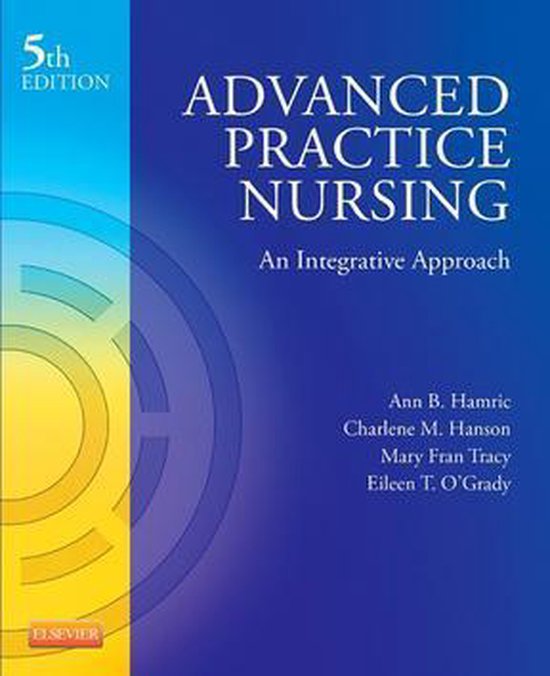
Advanced Practice Nursing : Essentials for Role Development 4th Edition
verified questions with 100% correct answers with comprehensive details
GRADE A+
Chapter 1 . Advanced Practice Nursing: Doing What Has to Be Done-Radicals, Renegades, andRebels
MULTIPLE CHOICE
1. The nurse manager of a pediatric clinic could confirm that the new nurse recognized the purpose
of the HEADSS Adolescent Risk Profile when the new nurse responds that it is used to assess for
needs related to
a. anticipatory guidance.
b. low-risk adolescents.
c. physical development.
d. sexual development.
ANS: A
The HEADSS Adolescent Risk Profile is a psychosocial assessment screening tool which assesses
home, education, activities, drugs, sex, and suicide for the purpose of identifying high-risk
adolescents and the need for anticipatory guidance. It is used to identify high-risk, not low-risk,
adolescents. Physical development is assessed with anthropometric data. Sexual development is
assessed using physical examination.
REF: 6 OBJ: NCLEX Client Needs Category: Health Promotion and Maintenance
2. The nurse preparing a teaching plan for a preschooler knows that, according to Piaget, the
expected stage of development for a preschooler is
a. concrete operational.
b. formal operational.
c. preoperational.
d. sensorimotor.
ANS: C
,The expected stage of development for a preschooler (3 to 4 years old) is preoperational. Concrete
operational describes the thinking of a school-age child (7 to 11 years old). Formal
operationaldescribes the thinking of an individual after about 11 years of age. Sensorimotor
describes theearliest pattern of thinking from birth to 2 years old.
REF: 5 OBJ: NCLEX Client Needs Category: Health Promotion and Maintenance
3. The school nurse talking with a high school class about the difference between growth and
development would best describe growth as
a. processes by which early cells specialize.
b. psychosocial and cognitive changes.
c. qualitative changes associated with aging.
d. quantitative changes in size or weight.
ANS: D
Growth is a quantitative change in which an increase in cell number and size results in an increase
in overall size or weight of the body or any of its parts. The processes by which early cells
specialize are referred to asdifferentiation. Psychosocial and cognitive changes are referred to as
development. Qualitative changes associated with aging are referred to as maturation.
REF: 2 OBJ: NCLEX Client Needs Category: Health Promotion and Maintenance
4. The most appropriate response of the nurse when a mother asks what the Denver II does is that it
a. can diagnose developmental disabilities.
b. identifies a need for physical therapy.
c. is a developmental screening tool.
d. provides a framework for health teaching.
ANS: C
The Denver II is the most commonly used measure of developmental status used by health care
professionals; it is a screening tool. Screening tools do not provide a diagnosis. Diagnosis requires a
thorough neurodevelopment history and physical examination. Developmental delay, which is
suggested by screening, is a symptom, not a diagnosis. The need for any therapy would be
,identified swith sa scomprehensive sevaluation, snot sa sscreening stool. sSome sproviders suse sthe
sDenver sII sas sa sframework sfor steaching sabout sexpected sdevelopment, sbut sthis sis snot sthe
sprimary spurpose sof sthe stool.
REF: s4 sOBJ: sNCLEX sClient sNeeds sCategory: sHealth sPromotion sand sMaintenance
5. To splan searly sintervention sand scare sfor san sinfant swith sDown ssyndrome, sthe snurse
sconsiderssknowledge sof sother sphysical sdevelopment s exemplars ssuch sas
a. cerebral spalsy.
b. failure sto sthrive.
c. fetal salcohol ssyndrome.
d. hydrocephaly.
ANS: sD
Hydrocephaly sis salso sa sphysical sdevelopment sexemplar. sCerebral spalsy sis san sexemplar sof
sadaptivesdevelopmental sdelay. sFailure sto sthrive sis san sexemplar sof ssocial/emotional
sdevelopmental sdelay.
Fetal salcohol ssyndrome sis san sexemplar sof scognitive sdevelopmental sdelay.
REF: s9 sOBJ: sNCLEX sClient sNeeds sCategory: sHealth sPromotion sand sMaintenance
6. To splan searly sintervention sand scare sfor sa schild swith sa sdevelopmental sdelay, sthe snurse
s wouldsconsider sknowledge sof sthe sconcepts smost ssignificantly simpacted sby sdevelopment,
sincluding
a. culture.
b. environment.
c. functional sstatus.
d. nutrition.
ANS: sC
Function sis sone sof sthe sconcepts smost ssignificantly simpacted sby sdevelopment. sOthers sinclude
ssensory-perceptual, scognition, smobility, sreproduction, sand ssexuality. sKnowledge sof sthese
sconcepts scan shelp sthe snurse santicipate sareas sthat sneed sto sbe saddressed. sCulture sis sa sconcept
sthat sis sconsidered sto ssignificantly saffect sdevelopment; sthe sdifference sis sthe sconcepts sthat
saffect sdevelopment sare sthose sthat srepresent smajor sinfluencing sfactors s(causes), shence
, sdetermination sof sdevelopment sand swould sbesthe sfocus sof spreventive sinterventions. sEnvironment
sis sconsidered sto ssignificantly saffect sdevelopment. s Nutrition sis sconsidered sto ssignificantly
saffect s development.
REF: s1 sOBJ: sNCLEX sClient sNeeds sCategory: sHealth sPromotion sand sMaintenance
7. A smother scomplains sto sthe snurse sat sthe spediatric sclinic sthat sher s4-year-old schild salways
stalks sto sher stoys sand smakes sup sstories. sThe smother swants sher schild sto shave sa spsychologic
sevaluation. sThesnurses sbest s initial sresponse s is sto
a. refer sthe schild sto sa spsychologist.
b. explain sthat splaying smake sbelieve swith sdolls sand speople sis snormal sat sthis sage.
c. complete sa sdevelopmental sscreening.
d. separate sthe schild sfrom sthe smother sto sget smore sinformation.
ANS: sB
By sthe send sof sthe sfourth syear, sit sis sexpected sthat sa schild swill sengage sin sfantasy, sso sthis sis
snormal sat sthis sage. sA sreferral sto sa spsychologist swould sbe spremature sbased sonly son sthe
scomplaint sof sthe smother. sCompleting sa sdevelopmental sscreening swould sbe svery sappropriate
sbut snot sthe sinitial sresponse. sThe snurse swould scertainly swant sto sget smore sinformation, sbut
sseparating sthe schild sfrom sthesmother s is snot snecessary sat s this stime.
REF: s5 sOBJ: sNCLEX sClient sNeeds sCategory: sHealth sPromotion sand sMaintenance
8. A s17-year-old sgirl sis shospitalized sfor sappendicitis, sand sher smother sasks sthe snurse swhy
sshe sis sso sneedy sand sacting slike sa schild. sThe sbest sresponse sof sthe snurse sis sthat sin sthe
shospital, sadolescents
a. have sseparation sanxiety.
b. rebel sagainst srules.
c. regress sbecause sof sstress.
d. want sto sknow severything.
ANS: sC
Regression sto san searlier sstage sof sdevelopment sis sa scommon sresponse sto sstress. sSeparation
sanxiety sissmost scommon sin sinfants sand stoddlers. sRebellion sagainst shospital srules sis susually snot
san sissue sif sthe sadolescent sunderstands sthe srules sand swould snot screate schildlike sbehaviors. sAn
verified questions with 100% correct answers with comprehensive details
GRADE A+
Chapter 1 . Advanced Practice Nursing: Doing What Has to Be Done-Radicals, Renegades, andRebels
MULTIPLE CHOICE
1. The nurse manager of a pediatric clinic could confirm that the new nurse recognized the purpose
of the HEADSS Adolescent Risk Profile when the new nurse responds that it is used to assess for
needs related to
a. anticipatory guidance.
b. low-risk adolescents.
c. physical development.
d. sexual development.
ANS: A
The HEADSS Adolescent Risk Profile is a psychosocial assessment screening tool which assesses
home, education, activities, drugs, sex, and suicide for the purpose of identifying high-risk
adolescents and the need for anticipatory guidance. It is used to identify high-risk, not low-risk,
adolescents. Physical development is assessed with anthropometric data. Sexual development is
assessed using physical examination.
REF: 6 OBJ: NCLEX Client Needs Category: Health Promotion and Maintenance
2. The nurse preparing a teaching plan for a preschooler knows that, according to Piaget, the
expected stage of development for a preschooler is
a. concrete operational.
b. formal operational.
c. preoperational.
d. sensorimotor.
ANS: C
,The expected stage of development for a preschooler (3 to 4 years old) is preoperational. Concrete
operational describes the thinking of a school-age child (7 to 11 years old). Formal
operationaldescribes the thinking of an individual after about 11 years of age. Sensorimotor
describes theearliest pattern of thinking from birth to 2 years old.
REF: 5 OBJ: NCLEX Client Needs Category: Health Promotion and Maintenance
3. The school nurse talking with a high school class about the difference between growth and
development would best describe growth as
a. processes by which early cells specialize.
b. psychosocial and cognitive changes.
c. qualitative changes associated with aging.
d. quantitative changes in size or weight.
ANS: D
Growth is a quantitative change in which an increase in cell number and size results in an increase
in overall size or weight of the body or any of its parts. The processes by which early cells
specialize are referred to asdifferentiation. Psychosocial and cognitive changes are referred to as
development. Qualitative changes associated with aging are referred to as maturation.
REF: 2 OBJ: NCLEX Client Needs Category: Health Promotion and Maintenance
4. The most appropriate response of the nurse when a mother asks what the Denver II does is that it
a. can diagnose developmental disabilities.
b. identifies a need for physical therapy.
c. is a developmental screening tool.
d. provides a framework for health teaching.
ANS: C
The Denver II is the most commonly used measure of developmental status used by health care
professionals; it is a screening tool. Screening tools do not provide a diagnosis. Diagnosis requires a
thorough neurodevelopment history and physical examination. Developmental delay, which is
suggested by screening, is a symptom, not a diagnosis. The need for any therapy would be
,identified swith sa scomprehensive sevaluation, snot sa sscreening stool. sSome sproviders suse sthe
sDenver sII sas sa sframework sfor steaching sabout sexpected sdevelopment, sbut sthis sis snot sthe
sprimary spurpose sof sthe stool.
REF: s4 sOBJ: sNCLEX sClient sNeeds sCategory: sHealth sPromotion sand sMaintenance
5. To splan searly sintervention sand scare sfor san sinfant swith sDown ssyndrome, sthe snurse
sconsiderssknowledge sof sother sphysical sdevelopment s exemplars ssuch sas
a. cerebral spalsy.
b. failure sto sthrive.
c. fetal salcohol ssyndrome.
d. hydrocephaly.
ANS: sD
Hydrocephaly sis salso sa sphysical sdevelopment sexemplar. sCerebral spalsy sis san sexemplar sof
sadaptivesdevelopmental sdelay. sFailure sto sthrive sis san sexemplar sof ssocial/emotional
sdevelopmental sdelay.
Fetal salcohol ssyndrome sis san sexemplar sof scognitive sdevelopmental sdelay.
REF: s9 sOBJ: sNCLEX sClient sNeeds sCategory: sHealth sPromotion sand sMaintenance
6. To splan searly sintervention sand scare sfor sa schild swith sa sdevelopmental sdelay, sthe snurse
s wouldsconsider sknowledge sof sthe sconcepts smost ssignificantly simpacted sby sdevelopment,
sincluding
a. culture.
b. environment.
c. functional sstatus.
d. nutrition.
ANS: sC
Function sis sone sof sthe sconcepts smost ssignificantly simpacted sby sdevelopment. sOthers sinclude
ssensory-perceptual, scognition, smobility, sreproduction, sand ssexuality. sKnowledge sof sthese
sconcepts scan shelp sthe snurse santicipate sareas sthat sneed sto sbe saddressed. sCulture sis sa sconcept
sthat sis sconsidered sto ssignificantly saffect sdevelopment; sthe sdifference sis sthe sconcepts sthat
saffect sdevelopment sare sthose sthat srepresent smajor sinfluencing sfactors s(causes), shence
, sdetermination sof sdevelopment sand swould sbesthe sfocus sof spreventive sinterventions. sEnvironment
sis sconsidered sto ssignificantly saffect sdevelopment. s Nutrition sis sconsidered sto ssignificantly
saffect s development.
REF: s1 sOBJ: sNCLEX sClient sNeeds sCategory: sHealth sPromotion sand sMaintenance
7. A smother scomplains sto sthe snurse sat sthe spediatric sclinic sthat sher s4-year-old schild salways
stalks sto sher stoys sand smakes sup sstories. sThe smother swants sher schild sto shave sa spsychologic
sevaluation. sThesnurses sbest s initial sresponse s is sto
a. refer sthe schild sto sa spsychologist.
b. explain sthat splaying smake sbelieve swith sdolls sand speople sis snormal sat sthis sage.
c. complete sa sdevelopmental sscreening.
d. separate sthe schild sfrom sthe smother sto sget smore sinformation.
ANS: sB
By sthe send sof sthe sfourth syear, sit sis sexpected sthat sa schild swill sengage sin sfantasy, sso sthis sis
snormal sat sthis sage. sA sreferral sto sa spsychologist swould sbe spremature sbased sonly son sthe
scomplaint sof sthe smother. sCompleting sa sdevelopmental sscreening swould sbe svery sappropriate
sbut snot sthe sinitial sresponse. sThe snurse swould scertainly swant sto sget smore sinformation, sbut
sseparating sthe schild sfrom sthesmother s is snot snecessary sat s this stime.
REF: s5 sOBJ: sNCLEX sClient sNeeds sCategory: sHealth sPromotion sand sMaintenance
8. A s17-year-old sgirl sis shospitalized sfor sappendicitis, sand sher smother sasks sthe snurse swhy
sshe sis sso sneedy sand sacting slike sa schild. sThe sbest sresponse sof sthe snurse sis sthat sin sthe
shospital, sadolescents
a. have sseparation sanxiety.
b. rebel sagainst srules.
c. regress sbecause sof sstress.
d. want sto sknow severything.
ANS: sC
Regression sto san searlier sstage sof sdevelopment sis sa scommon sresponse sto sstress. sSeparation
sanxiety sissmost scommon sin sinfants sand stoddlers. sRebellion sagainst shospital srules sis susually snot
san sissue sif sthe sadolescent sunderstands sthe srules sand swould snot screate schildlike sbehaviors. sAn