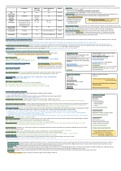
The Genre and Context
A Streetcar Named Desire
, Just as in any piece of
literature we can categorie
these works into different
genres.
By the time we get into
more modern drama piece
Genre we can see a blur or blend
different genres in one
piece.
Here are some of the genr
which influenced Williams’
play.
, Romanticism and the Romantic
Period of Literature 1790-1850
Major elements of Romanticism include:
• Focus on the feelings and inner life of the character who may be very
emotional and/or irrational or melancholic What exam
these can w
• The elevation of the common man and individuality, inspired by
‘A Streetcar
Enlightenment* and revolutionary ideals Desire
• The idealisation of women and their innocence, and the need to protect
them
• Flowery/lofty language
• Sometimes exotic, or highly imaginative, beautiful settings
• Stories of epic heroism, love, virtue, and/or the overcoming of one's
enemies
• High use of imagination to make a story more appealing and fantastical
• Characters often portrayed in larger-than-life depictions
*The Enlightenment was an intellectual and philosophical movement that dominated Europe in the 17th and 18th centuries with global influences. The
included ideas centered on the value of human happiness, the pursuit of knowledge obtained by means of reason and the evidence of the senses, and ideal
, progress, toler
, Realism and the Realistic What exam
these can w
Genre ‘A Streetca
Desir
• Major Elements include:
• Relatability to the reader
• Realistic themes that do not rely on lofty literary devices; focus on mundane/common experienc
people
• Stories often featured lower- and middle-class people in ordinary places and times
• Stories and situations based on science and realism in the belief that this is how life should be v
• Real dialects and unique features from a region
• Main focus on character development in order for readers to view them as real people the read
know/recognise in their own lives
• Harsh truths of reality exposed, including: personal struggles, social class, race, war, poverty,
materialism, etc.
• No real attempts to glorify harsh realities/stories
• Presence of social issues and/or commentary
• Realistic characters are more important than complicated plots
A Streetcar Named Desire
, Just as in any piece of
literature we can categorie
these works into different
genres.
By the time we get into
more modern drama piece
Genre we can see a blur or blend
different genres in one
piece.
Here are some of the genr
which influenced Williams’
play.
, Romanticism and the Romantic
Period of Literature 1790-1850
Major elements of Romanticism include:
• Focus on the feelings and inner life of the character who may be very
emotional and/or irrational or melancholic What exam
these can w
• The elevation of the common man and individuality, inspired by
‘A Streetcar
Enlightenment* and revolutionary ideals Desire
• The idealisation of women and their innocence, and the need to protect
them
• Flowery/lofty language
• Sometimes exotic, or highly imaginative, beautiful settings
• Stories of epic heroism, love, virtue, and/or the overcoming of one's
enemies
• High use of imagination to make a story more appealing and fantastical
• Characters often portrayed in larger-than-life depictions
*The Enlightenment was an intellectual and philosophical movement that dominated Europe in the 17th and 18th centuries with global influences. The
included ideas centered on the value of human happiness, the pursuit of knowledge obtained by means of reason and the evidence of the senses, and ideal
, progress, toler
, Realism and the Realistic What exam
these can w
Genre ‘A Streetca
Desir
• Major Elements include:
• Relatability to the reader
• Realistic themes that do not rely on lofty literary devices; focus on mundane/common experienc
people
• Stories often featured lower- and middle-class people in ordinary places and times
• Stories and situations based on science and realism in the belief that this is how life should be v
• Real dialects and unique features from a region
• Main focus on character development in order for readers to view them as real people the read
know/recognise in their own lives
• Harsh truths of reality exposed, including: personal struggles, social class, race, war, poverty,
materialism, etc.
• No real attempts to glorify harsh realities/stories
• Presence of social issues and/or commentary
• Realistic characters are more important than complicated plots