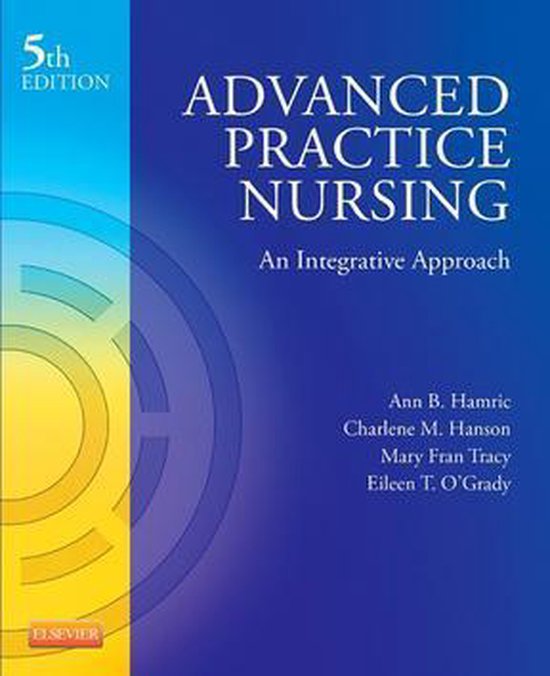
Advanced Practice Nursing : Essentials for Role Development 4th Edition
verified questions with 100% correct answers with comprehensive details
GRADE A+
Chapter 1 . Advanced Practice Nursing: Doing What Has to Be Done-Radicals, Renegades, andRebels
MULTIPLE CHOICE
1. The nurse manager of a pediatric clinic could confirm that the new nurse recognized the purpose
of the HEADSS Adolescent Risk Profile when the new nurse responds that it is used to assess for
needs related to
a. anticipatory guidance.
b. low-risk adolescents.
c. physical development.
d. sexual development.
ANS: A
The HEADSS Adolescent Risk Profile is a psychosocial assessment screening tool which assesses
home, education, activities, drugs, sex, and suicide for the purpose of identifying high-risk
adolescents and the need for anticipatory guidance. It is used to identify high-risk, not low-risk,
adolescents. Physical development is assessed with anthropometric data. Sexual development is
assessed using physical examination.
REF: 6 OBJ: NCLEX Client Needs Category: Health Promotion and Maintenance
2. The nurse preparing a teaching plan for a preschooler knows that, according to Piaget, the
expected stage of development for a preschooler is
a. concrete operational.
b. formal operational.
c. preoperational.
d. sensorimotor.
ANS: C
,The expected stage of development for a preschooler (3 to 4 years old) is preoperational. Concrete
operational describes the thinking of a school-age child (7 to 11 years old). Formal
operationaldescribes the thinking of an individual after about 11 years of age. Sensorimotor
describes theearliest pattern of thinking from birth to 2 years old.
REF: 5 OBJ: NCLEX Client Needs Category: Health Promotion and Maintenance
3. The school nurse talking with a high school class about the difference between growth and
development would best describe growth as
a. processes by which early cells specialize.
b. psychosocial and cognitive changes.
c. qualitative changes associated with aging.
d. quantitative changes in size or weight.
ANS: D
Growth is a quantitative change in which an increase in cell number and size results in an increase
in overall size or weight of the body or any of its parts. The processes by which early cells
specialize are referred to asdifferentiation. Psychosocial and cognitive changes are referred to as
development. Qualitative changes associated with aging are referred to as maturation.
REF: 2 OBJ: NCLEX Client Needs Category: Health Promotion and Maintenance
4. The most appropriate response of the nurse when a mother asks what the Denver II does is that it
a. can diagnose developmental disabilities.
b. identifies a need for physical therapy.
c. is a developmental screening tool.
d. provides a framework for health teaching.
ANS: C
The Denver II is the most commonly used measure of developmental status used by health care
professionals; it is a screening tool. Screening tools do not provide a diagnosis. Diagnosis requires a
thorough neurodevelopment history and physical examination. Developmental delay, which is
suggested by screening, is a symptom, not a diagnosis. The need for any therapy would be
,identified awith aa acomprehensive aevaluation, anot aa ascreening atool. aSome aproviders ause athe
aDenver aII aas aa aframework afor ateaching aabout aexpected adevelopment, abut athis ais anot athe
aprimary apurpose aof athe atool.
REF: a4 aOBJ: aNCLEX aClient aNeeds aCategory: aHealth aPromotion aand aMaintenance
5. To aplan aearly aintervention aand acare afor aan ainfant awith aDown asyndrome, athe anurse
aconsidersaknowledge aof aother aphysical adevelopment a exemplars asuch aas
a. cerebral apalsy.
b. failure ato athrive.
c. fetal aalcohol asyndrome.
d. hydrocephaly.
ANS: aD
Hydrocephaly ais aalso aa aphysical adevelopment aexemplar. aCerebral apalsy ais aan aexemplar aof
aadaptiveadevelopmental adelay. aFailure ato athrive ais aan aexemplar aof asocial/emotional
adevelopmental adelay.
Fetal aalcohol asyndrome ais aan aexemplar aof acognitive adevelopmental adelay.
REF: a9 aOBJ: aNCLEX aClient aNeeds aCategory: aHealth aPromotion aand aMaintenance
6. To aplan aearly aintervention aand acare afor aa achild awith aa adevelopmental adelay, athe anurse
a wouldaconsider aknowledge aof athe aconcepts amost asignificantly aimpacted aby adevelopment,
aincluding
a. culture.
b. environment.
c. functional astatus.
d. nutrition.
ANS: aC
Function ais aone aof athe aconcepts amost asignificantly aimpacted aby adevelopment. aOthers ainclude
asensory-perceptual, acognition, amobility, areproduction, aand asexuality. aKnowledge aof athese
aconcepts acan ahelp athe anurse aanticipate aareas athat aneed ato abe aaddressed. aCulture ais aa aconcept
athat ais aconsidered ato asignificantly aaffect adevelopment; athe adifference ais athe aconcepts athat
aaffect adevelopment aare athose athat arepresent amajor ainfluencing afactors a(causes), ahence
, adetermination aof adevelopment aand awould abeathe afocus aof apreventive ainterventions.
aEnvironment ais aconsidered ato asignificantly aaffect adevelopment. a Nutrition ais aconsidered ato
asignificantly aaffect a development.
REF: a1 aOBJ: aNCLEX aClient aNeeds aCategory: aHealth aPromotion aand aMaintenance
7. A amother acomplains ato athe anurse aat athe apediatric aclinic athat aher a4-year-old achild aalways
atalks atoaher atoys aand amakes aup astories. aThe amother awants aher achild ato ahave aa apsychologic
aevaluation. aTheanurses abest a initial aresponse a is ato
a. refer athe achild ato aa apsychologist.
b. explain athat aplaying amake abelieve awith adolls aand apeople ais anormal aat athis aage.
c. complete aa adevelopmental ascreening.
d. separate athe achild afrom athe amother ato aget amore ainformation.
ANS: aB
By athe aend aof athe afourth ayear, ait ais aexpected athat aa achild awill aengage ain afantasy, aso athis ais
anormal aat athis aage. aA areferral ato aa apsychologist awould abe apremature abased aonly aon athe
acomplaint aof athe amother. aCompleting aa adevelopmental ascreening awould abe avery aappropriate
abut anot athe ainitial aresponse. aThe anurse awould acertainly awant ato aget amore ainformation, abut
aseparating athe achild afrom atheamother a is a not anecessary aat a this atime.
REF: a5 aOBJ: aNCLEX aClient aNeeds aCategory: aHealth aPromotion aand aMaintenance
8. A a17-year-old agirl ais ahospitalized afor aappendicitis, aand aher amother aasks athe anurse awhy
ashe ais aso aneedy aand aacting alike aa achild. aThe abest a response aof athe anurse ais a that ain athe
ahospital, aadolescents
a. have aseparation aanxiety.
b. rebel aagainst arules.
c. regress abecause aof astress.
d. want ato aknow aeverything.
ANS: aC
Regression ato aan aearlier astage aof adevelopment ais aa acommon aresponse ato astress. aSeparation
aanxiety aisamost acommon ain ainfants aand atoddlers. aRebellion aagainst ahospital arules ais ausually
anot aan aissue aif athe aadolescent aunderstands athe arules aand awould anot acreate achildlike
verified questions with 100% correct answers with comprehensive details
GRADE A+
Chapter 1 . Advanced Practice Nursing: Doing What Has to Be Done-Radicals, Renegades, andRebels
MULTIPLE CHOICE
1. The nurse manager of a pediatric clinic could confirm that the new nurse recognized the purpose
of the HEADSS Adolescent Risk Profile when the new nurse responds that it is used to assess for
needs related to
a. anticipatory guidance.
b. low-risk adolescents.
c. physical development.
d. sexual development.
ANS: A
The HEADSS Adolescent Risk Profile is a psychosocial assessment screening tool which assesses
home, education, activities, drugs, sex, and suicide for the purpose of identifying high-risk
adolescents and the need for anticipatory guidance. It is used to identify high-risk, not low-risk,
adolescents. Physical development is assessed with anthropometric data. Sexual development is
assessed using physical examination.
REF: 6 OBJ: NCLEX Client Needs Category: Health Promotion and Maintenance
2. The nurse preparing a teaching plan for a preschooler knows that, according to Piaget, the
expected stage of development for a preschooler is
a. concrete operational.
b. formal operational.
c. preoperational.
d. sensorimotor.
ANS: C
,The expected stage of development for a preschooler (3 to 4 years old) is preoperational. Concrete
operational describes the thinking of a school-age child (7 to 11 years old). Formal
operationaldescribes the thinking of an individual after about 11 years of age. Sensorimotor
describes theearliest pattern of thinking from birth to 2 years old.
REF: 5 OBJ: NCLEX Client Needs Category: Health Promotion and Maintenance
3. The school nurse talking with a high school class about the difference between growth and
development would best describe growth as
a. processes by which early cells specialize.
b. psychosocial and cognitive changes.
c. qualitative changes associated with aging.
d. quantitative changes in size or weight.
ANS: D
Growth is a quantitative change in which an increase in cell number and size results in an increase
in overall size or weight of the body or any of its parts. The processes by which early cells
specialize are referred to asdifferentiation. Psychosocial and cognitive changes are referred to as
development. Qualitative changes associated with aging are referred to as maturation.
REF: 2 OBJ: NCLEX Client Needs Category: Health Promotion and Maintenance
4. The most appropriate response of the nurse when a mother asks what the Denver II does is that it
a. can diagnose developmental disabilities.
b. identifies a need for physical therapy.
c. is a developmental screening tool.
d. provides a framework for health teaching.
ANS: C
The Denver II is the most commonly used measure of developmental status used by health care
professionals; it is a screening tool. Screening tools do not provide a diagnosis. Diagnosis requires a
thorough neurodevelopment history and physical examination. Developmental delay, which is
suggested by screening, is a symptom, not a diagnosis. The need for any therapy would be
,identified awith aa acomprehensive aevaluation, anot aa ascreening atool. aSome aproviders ause athe
aDenver aII aas aa aframework afor ateaching aabout aexpected adevelopment, abut athis ais anot athe
aprimary apurpose aof athe atool.
REF: a4 aOBJ: aNCLEX aClient aNeeds aCategory: aHealth aPromotion aand aMaintenance
5. To aplan aearly aintervention aand acare afor aan ainfant awith aDown asyndrome, athe anurse
aconsidersaknowledge aof aother aphysical adevelopment a exemplars asuch aas
a. cerebral apalsy.
b. failure ato athrive.
c. fetal aalcohol asyndrome.
d. hydrocephaly.
ANS: aD
Hydrocephaly ais aalso aa aphysical adevelopment aexemplar. aCerebral apalsy ais aan aexemplar aof
aadaptiveadevelopmental adelay. aFailure ato athrive ais aan aexemplar aof asocial/emotional
adevelopmental adelay.
Fetal aalcohol asyndrome ais aan aexemplar aof acognitive adevelopmental adelay.
REF: a9 aOBJ: aNCLEX aClient aNeeds aCategory: aHealth aPromotion aand aMaintenance
6. To aplan aearly aintervention aand acare afor aa achild awith aa adevelopmental adelay, athe anurse
a wouldaconsider aknowledge aof athe aconcepts amost asignificantly aimpacted aby adevelopment,
aincluding
a. culture.
b. environment.
c. functional astatus.
d. nutrition.
ANS: aC
Function ais aone aof athe aconcepts amost asignificantly aimpacted aby adevelopment. aOthers ainclude
asensory-perceptual, acognition, amobility, areproduction, aand asexuality. aKnowledge aof athese
aconcepts acan ahelp athe anurse aanticipate aareas athat aneed ato abe aaddressed. aCulture ais aa aconcept
athat ais aconsidered ato asignificantly aaffect adevelopment; athe adifference ais athe aconcepts athat
aaffect adevelopment aare athose athat arepresent amajor ainfluencing afactors a(causes), ahence
, adetermination aof adevelopment aand awould abeathe afocus aof apreventive ainterventions.
aEnvironment ais aconsidered ato asignificantly aaffect adevelopment. a Nutrition ais aconsidered ato
asignificantly aaffect a development.
REF: a1 aOBJ: aNCLEX aClient aNeeds aCategory: aHealth aPromotion aand aMaintenance
7. A amother acomplains ato athe anurse aat athe apediatric aclinic athat aher a4-year-old achild aalways
atalks atoaher atoys aand amakes aup astories. aThe amother awants aher achild ato ahave aa apsychologic
aevaluation. aTheanurses abest a initial aresponse a is ato
a. refer athe achild ato aa apsychologist.
b. explain athat aplaying amake abelieve awith adolls aand apeople ais anormal aat athis aage.
c. complete aa adevelopmental ascreening.
d. separate athe achild afrom athe amother ato aget amore ainformation.
ANS: aB
By athe aend aof athe afourth ayear, ait ais aexpected athat aa achild awill aengage ain afantasy, aso athis ais
anormal aat athis aage. aA areferral ato aa apsychologist awould abe apremature abased aonly aon athe
acomplaint aof athe amother. aCompleting aa adevelopmental ascreening awould abe avery aappropriate
abut anot athe ainitial aresponse. aThe anurse awould acertainly awant ato aget amore ainformation, abut
aseparating athe achild afrom atheamother a is a not anecessary aat a this atime.
REF: a5 aOBJ: aNCLEX aClient aNeeds aCategory: aHealth aPromotion aand aMaintenance
8. A a17-year-old agirl ais ahospitalized afor aappendicitis, aand aher amother aasks athe anurse awhy
ashe ais aso aneedy aand aacting alike aa achild. aThe abest a response aof athe anurse ais a that ain athe
ahospital, aadolescents
a. have aseparation aanxiety.
b. rebel aagainst arules.
c. regress abecause aof astress.
d. want ato aknow aeverything.
ANS: aC
Regression ato aan aearlier astage aof adevelopment ais aa acommon aresponse ato astress. aSeparation
aanxiety aisamost acommon ain ainfants aand atoddlers. aRebellion aagainst ahospital arules ais ausually
anot aan aissue aif athe aadolescent aunderstands athe arules aand awould anot acreate achildlike