Summary Articles Health
Communication
Master track Persuasive Communication
Course Health Communication
Year 2020-2021
Ivo Martens
, 2
Index
Brown and West, 2014...........................................................................................................................3
Kok, 2016................................................................................................................................................4
Tannenbaum et al., 2015........................................................................................................................5
Witte and Allen, 2000.............................................................................................................................9
Fishbein and Cappella, 2006.................................................................................................................12
Jordan et al., 2012................................................................................................................................15
De Bruijn et al. 2017.............................................................................................................................18
Ajzen, n.d..............................................................................................................................................20
Rothman et al., 2009............................................................................................................................22
Papies and Hamstra, 2010....................................................................................................................27
McGowan et al., 2013...........................................................................................................................29
Prentice, 2008......................................................................................................................................32
Stok et al., 2012....................................................................................................................................35
Mollen et al., 2013................................................................................................................................38
UvA, Persuasive Communication, Health Communication Ivo Martens
, 3
Week 1 Affective appeals
Brown and West, 2014.
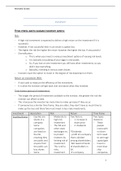
Sequencing the threat and recommendation components of persuasive message
differentially improves the effectiveness of high- and low-distressing imagery in an
anti-alcohol message in students.
What does it research?
Threat appraisals and the order of the message in combination with recommendation
Which research method is used?
Experiment. 2x2 design. Textual message accompanied by high- or low- distressing imagery in either
a threat-recommendation or recommendation-threat sequence.
What is the hypothesis?
Distressing imagery would lead to greater persuasion when recommendation-threat than a threat-
recommendation. This would be reversed for non-distressing imagery.
What is the main outcome?
Recommendation-threat sequence increased the persuasiveness of high distressing imagery.
Threat-recommendation sequence improved the persuasiveness of low distressing imagery.
The object of the current study was to determine whether presenting the recommendation before
the threat would increase persuasiveness of a threat message, and whether this would occur
because the recommendation-threat sequence reduces attentional avoidance.
They used imagery because imagery creates threat by triggering powerful and reflexive associations
between stimuli and the emotional responses they elicit.
Generally, persuasion theories recommend a threat-recommendation structure.
Pre-threat interventions are effective in laboratory conditions, but self—affirmation or self-efficacy
interventions require performance of effortful and supervised exercises, and it is unclear as to how
they can be implemented into a mass-reach format. If a recommendation is presented before a
threat, that recommendation might help audiences reduce defensiveness generally and attentional
avoidance in particular. This is not specifically a self-affirmation or self-efficacy manipulation, but it
seems reasonable that such a manipulation might affirm self-perceptions of adequacy and agency.
Traditional health messages use a threat-recommendation sequence, where the recommendation
offers an opportunity to reduce threat through behavioural change. However, threatening imagery
may invoke automated attentional avoidance responses that disrupt attention to the message and,
consequently, persuasion.
Empirical evidence for this is currently mixed.
A 2 x 2 design was used, presenting a textual message accompanied by high- or low distressing
imagery in either a threat-recommendation or a recommendation-threat sequence. We expected
that presenting a threat message accompanied by distressing imagery would lead to greater
persuasion when preceded by a behavioural recommendation than a threat-recommendation
sequence and that this effect would be reversed for non-distressing imagery.
UvA, Persuasive Communication, Health Communication Ivo Martens
, 4
As predicted, we found that using a recommendation-threat sequence increased the persuasiveness
of a message containing distressing imagery and that a threat-recommendation sequence improved
persuasiveness of a message containing less-distressing images. Besides, self-determined exposure to
the threat message mediated the experimental effects on intention in the high-distress images
condition but not the low-distress images condition. Exposure to the threat information did not
mediate the experimental effects on message evaluation.
The study provides further confirmation of the idea that sequence effects occur because exposure to
recommendation before threat components reduces the influence of defensiveness. We link this
specifically to attentional avoidance, which we believe to be a more pertinent defence to distressing
imagery.
Kok, 2016.
Social Psychology Applied: Politics, Theories, and the Future
Politics
This paper discusses the example of fear appeals in the form of scary pictures on cigarette packaging,
because it demonstrates nicely how scientific insights are ignored because they are either
counterintuitive and/or politically inconvenient.
Theory and evidence
When people are emotionally confronted with the negative effects of their behavior, they will change
their behavior. This reasoning is simple and intuitive, but wrong. Theory and evidence has indicated
that using scare-tactics could in fact be counterproductive.
Four variables influence behavior change: 1) severity 2) susceptibility 3) response-efficacy 4) self-
efficacy.
Severity and susceptibility combine to from a perceived threat. Response-efficacy and self-efficacy
combine into efficacy.
The theory proposed by Kok predicts that smokers, because their self-efficacy in relation to quitting is
low, will react defensively to scary pictures. In fact, they may actually smoke more in order to deal
with the stress.
Hundreds of publications have studied the effect of using scary pictures. None of those studies,
however, fulfil all three criteria of an experimental design : 1) different interventions or conditions, 2)
random assignment 3) behavior as an outcome measure.
Meta-analysis
What we found was almost exactly what the theory predicted. When the threat was high as
compared to low, people changed their behavior in the advised direction only when efficacy was
high, and not when efficacy was low. In fact, when efficacy was low, the behavior change showed, if
anything, and effect in the wrong direction.
Neuroscientific brain research
UvA, Persuasive Communication, Health Communication Ivo Martens
Communication
Master track Persuasive Communication
Course Health Communication
Year 2020-2021
Ivo Martens
, 2
Index
Brown and West, 2014...........................................................................................................................3
Kok, 2016................................................................................................................................................4
Tannenbaum et al., 2015........................................................................................................................5
Witte and Allen, 2000.............................................................................................................................9
Fishbein and Cappella, 2006.................................................................................................................12
Jordan et al., 2012................................................................................................................................15
De Bruijn et al. 2017.............................................................................................................................18
Ajzen, n.d..............................................................................................................................................20
Rothman et al., 2009............................................................................................................................22
Papies and Hamstra, 2010....................................................................................................................27
McGowan et al., 2013...........................................................................................................................29
Prentice, 2008......................................................................................................................................32
Stok et al., 2012....................................................................................................................................35
Mollen et al., 2013................................................................................................................................38
UvA, Persuasive Communication, Health Communication Ivo Martens
, 3
Week 1 Affective appeals
Brown and West, 2014.
Sequencing the threat and recommendation components of persuasive message
differentially improves the effectiveness of high- and low-distressing imagery in an
anti-alcohol message in students.
What does it research?
Threat appraisals and the order of the message in combination with recommendation
Which research method is used?
Experiment. 2x2 design. Textual message accompanied by high- or low- distressing imagery in either
a threat-recommendation or recommendation-threat sequence.
What is the hypothesis?
Distressing imagery would lead to greater persuasion when recommendation-threat than a threat-
recommendation. This would be reversed for non-distressing imagery.
What is the main outcome?
Recommendation-threat sequence increased the persuasiveness of high distressing imagery.
Threat-recommendation sequence improved the persuasiveness of low distressing imagery.
The object of the current study was to determine whether presenting the recommendation before
the threat would increase persuasiveness of a threat message, and whether this would occur
because the recommendation-threat sequence reduces attentional avoidance.
They used imagery because imagery creates threat by triggering powerful and reflexive associations
between stimuli and the emotional responses they elicit.
Generally, persuasion theories recommend a threat-recommendation structure.
Pre-threat interventions are effective in laboratory conditions, but self—affirmation or self-efficacy
interventions require performance of effortful and supervised exercises, and it is unclear as to how
they can be implemented into a mass-reach format. If a recommendation is presented before a
threat, that recommendation might help audiences reduce defensiveness generally and attentional
avoidance in particular. This is not specifically a self-affirmation or self-efficacy manipulation, but it
seems reasonable that such a manipulation might affirm self-perceptions of adequacy and agency.
Traditional health messages use a threat-recommendation sequence, where the recommendation
offers an opportunity to reduce threat through behavioural change. However, threatening imagery
may invoke automated attentional avoidance responses that disrupt attention to the message and,
consequently, persuasion.
Empirical evidence for this is currently mixed.
A 2 x 2 design was used, presenting a textual message accompanied by high- or low distressing
imagery in either a threat-recommendation or a recommendation-threat sequence. We expected
that presenting a threat message accompanied by distressing imagery would lead to greater
persuasion when preceded by a behavioural recommendation than a threat-recommendation
sequence and that this effect would be reversed for non-distressing imagery.
UvA, Persuasive Communication, Health Communication Ivo Martens
, 4
As predicted, we found that using a recommendation-threat sequence increased the persuasiveness
of a message containing distressing imagery and that a threat-recommendation sequence improved
persuasiveness of a message containing less-distressing images. Besides, self-determined exposure to
the threat message mediated the experimental effects on intention in the high-distress images
condition but not the low-distress images condition. Exposure to the threat information did not
mediate the experimental effects on message evaluation.
The study provides further confirmation of the idea that sequence effects occur because exposure to
recommendation before threat components reduces the influence of defensiveness. We link this
specifically to attentional avoidance, which we believe to be a more pertinent defence to distressing
imagery.
Kok, 2016.
Social Psychology Applied: Politics, Theories, and the Future
Politics
This paper discusses the example of fear appeals in the form of scary pictures on cigarette packaging,
because it demonstrates nicely how scientific insights are ignored because they are either
counterintuitive and/or politically inconvenient.
Theory and evidence
When people are emotionally confronted with the negative effects of their behavior, they will change
their behavior. This reasoning is simple and intuitive, but wrong. Theory and evidence has indicated
that using scare-tactics could in fact be counterproductive.
Four variables influence behavior change: 1) severity 2) susceptibility 3) response-efficacy 4) self-
efficacy.
Severity and susceptibility combine to from a perceived threat. Response-efficacy and self-efficacy
combine into efficacy.
The theory proposed by Kok predicts that smokers, because their self-efficacy in relation to quitting is
low, will react defensively to scary pictures. In fact, they may actually smoke more in order to deal
with the stress.
Hundreds of publications have studied the effect of using scary pictures. None of those studies,
however, fulfil all three criteria of an experimental design : 1) different interventions or conditions, 2)
random assignment 3) behavior as an outcome measure.
Meta-analysis
What we found was almost exactly what the theory predicted. When the threat was high as
compared to low, people changed their behavior in the advised direction only when efficacy was
high, and not when efficacy was low. In fact, when efficacy was low, the behavior change showed, if
anything, and effect in the wrong direction.
Neuroscientific brain research
UvA, Persuasive Communication, Health Communication Ivo Martens