110
Pediatrics
© 11
, 111
Tipsfor Pediatrics
nurse in the making
Class
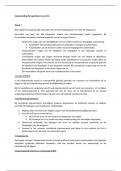
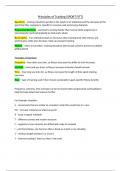
Tipsfor answeringgrowth&developmentquestions
• Try NOT to relate to real-life scenarios.
• The NCLEX has very specific standards in place.
Passing requires knowing and remembering these.
• Every milestone is different, just like every child is different!
In the NCLEX world, the children should follow the outlined trajectory.
Newborn/neonate Infant Toddler Preschool School age Adolescence
First 4 weeks of life 1 month–1 year 1–2 years 3–5 years 6–12 years 13–17 years
Childrenare not just smalladults
Many conditions are Pediatric vital signs, Administering medication to children is
specific to infants blood volume, and very critical because many dosages are
and children; be sure presentation will differ calculated based on weight and a child's
to learn about these from an adult; response to the medication can differ
conditions & how to be sure to learn significantly from an adult's response.
intervene. about these.
© 11
, 112
PediatricMilestones
nurse in the making
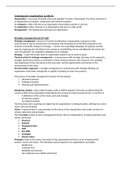
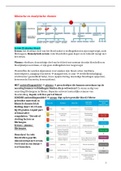
Stagesof Play
age group Type of play Key Points Description
Solitary
Infancy Play
Playing
alone
The child is playing all by
them self with a toy
(1 month - 1 year)
Onlooker The child is watching other
2 years (spectator)
Watching
other children
kids play, but does not want
to engage in the play
The children will play next to each
Toddlers Parallel
play
Next to, but
not interacting
other, but not WITH each other
(not interacting
with each other)
1 - 2 years
Children are playing the same
Interacting,
Preschool Associative
Play
but not working
game or building the same thing,
but not working together or con-
together
necting with each other
3 - 5 years
Children are playing the same
SchoolAge Cooperative
Play
Working
together
game or building the same thing
and are working together
6 - 12 years
Milestonesare brokendowninto different categories:
GROSSMOTOR FINE MOTORSKILLS LANGUAGE COGNITIVE
Gross
SKILLSmotor skills think Fine motor skills are more Language includes Cognition is how the child
LARGERmovements or INTRICATEand involve communication through understands the world
movement which uses one part of the body verbal, crying, and around them. Cognitive
the whole body. (often the hands). nonverbal expressions. function can be shown as
Examples: expression of emotion,
• Holding action, or play.
gross = large • Touching Fine motorskills
in medicalterms • Tapping think Fingers
© 11
, 113
PediatricMilestones
nurse in the making
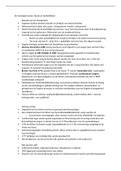
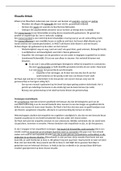
Thereare MANYpediatric milestones
but these are the mostcommonlytestedon.
AGE GROSSMOTOR FINE MOTORSKILLS LANGUAGE COGNITIVE
SKILLS
Head lag Palmar grasp reflex
This is when a baby
1 involuntary wraps their
fingers around
Communicates
Watches moving
things & tracks
an adult’s
through crying
Month fingers when
with eyes
the palm is
touched
2- 3 Able to raise Palmar grasp reflex is Makes
Should be
smiling
head & chest disappearing/absent cooing noises
Months Secondmonth
think Smiling
Attempts to
Rolls from grasp objects
prone to supine (Example: a stuffed
animal)
4- 5 Babbling
Remembers faces
& cries when
(“ba”, “ga”, etc.)
Months Rollsonthe floor Yougrasp something
left alone
rhymeswithfour! with5 fingers at
5 months
Able to sit in
a tripod position
6- 7 Transfers items
from one hand
Starts to
Stranger anxiety
imitate sounds
Months Thisposition to the other starts to develop
kind of makesa
6 (6 months)
Developing Object permanence
pincer grasp Realizing that objects
Cruising: that are out of sight
Uses index finger
8- 9 Standing up &
stepping while
& thumb to lift or
More expressive
(screeching,
still exist
grab something
Months holding onto couch
or table
squealing, giggling)
Pincer grasp
think Pinch
© 11
Pediatrics
© 11
, 111
Tipsfor Pediatrics
nurse in the making
Class
Tipsfor answeringgrowth&developmentquestions
• Try NOT to relate to real-life scenarios.
• The NCLEX has very specific standards in place.
Passing requires knowing and remembering these.
• Every milestone is different, just like every child is different!
In the NCLEX world, the children should follow the outlined trajectory.
Newborn/neonate Infant Toddler Preschool School age Adolescence
First 4 weeks of life 1 month–1 year 1–2 years 3–5 years 6–12 years 13–17 years
Childrenare not just smalladults
Many conditions are Pediatric vital signs, Administering medication to children is
specific to infants blood volume, and very critical because many dosages are
and children; be sure presentation will differ calculated based on weight and a child's
to learn about these from an adult; response to the medication can differ
conditions & how to be sure to learn significantly from an adult's response.
intervene. about these.
© 11
, 112
PediatricMilestones
nurse in the making
Stagesof Play
age group Type of play Key Points Description
Solitary
Infancy Play
Playing
alone
The child is playing all by
them self with a toy
(1 month - 1 year)
Onlooker The child is watching other
2 years (spectator)
Watching
other children
kids play, but does not want
to engage in the play
The children will play next to each
Toddlers Parallel
play
Next to, but
not interacting
other, but not WITH each other
(not interacting
with each other)
1 - 2 years
Children are playing the same
Interacting,
Preschool Associative
Play
but not working
game or building the same thing,
but not working together or con-
together
necting with each other
3 - 5 years
Children are playing the same
SchoolAge Cooperative
Play
Working
together
game or building the same thing
and are working together
6 - 12 years
Milestonesare brokendowninto different categories:
GROSSMOTOR FINE MOTORSKILLS LANGUAGE COGNITIVE
Gross
SKILLSmotor skills think Fine motor skills are more Language includes Cognition is how the child
LARGERmovements or INTRICATEand involve communication through understands the world
movement which uses one part of the body verbal, crying, and around them. Cognitive
the whole body. (often the hands). nonverbal expressions. function can be shown as
Examples: expression of emotion,
• Holding action, or play.
gross = large • Touching Fine motorskills
in medicalterms • Tapping think Fingers
© 11
, 113
PediatricMilestones
nurse in the making
Thereare MANYpediatric milestones
but these are the mostcommonlytestedon.
AGE GROSSMOTOR FINE MOTORSKILLS LANGUAGE COGNITIVE
SKILLS
Head lag Palmar grasp reflex
This is when a baby
1 involuntary wraps their
fingers around
Communicates
Watches moving
things & tracks
an adult’s
through crying
Month fingers when
with eyes
the palm is
touched
2- 3 Able to raise Palmar grasp reflex is Makes
Should be
smiling
head & chest disappearing/absent cooing noises
Months Secondmonth
think Smiling
Attempts to
Rolls from grasp objects
prone to supine (Example: a stuffed
animal)
4- 5 Babbling
Remembers faces
& cries when
(“ba”, “ga”, etc.)
Months Rollsonthe floor Yougrasp something
left alone
rhymeswithfour! with5 fingers at
5 months
Able to sit in
a tripod position
6- 7 Transfers items
from one hand
Starts to
Stranger anxiety
imitate sounds
Months Thisposition to the other starts to develop
kind of makesa
6 (6 months)
Developing Object permanence
pincer grasp Realizing that objects
Cruising: that are out of sight
Uses index finger
8- 9 Standing up &
stepping while
& thumb to lift or
More expressive
(screeching,
still exist
grab something
Months holding onto couch
or table
squealing, giggling)
Pincer grasp
think Pinch
© 11