Digestive System Test with Verified Answers
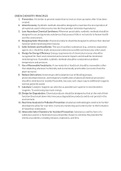
Gastrointestinal System - ANS -Known as GI system or digestive tract
Alimentary canal - ANS -Long tube that runs from the mouth to the anus. Also known
as the gastrointestinal tract
How long is the GI tract? - ANS -29-30 feet!
Primary organs of the GI system - ANS -mouth, pharynx, esophagus, stomach small
intestine, large intestine, rectum, anus
accessory organs of the GI system - ANS -teeth, tongue, salivary glands, pancreas,
liver, gallbladder, appendix
6 main activities of digestion - ANS -ingestion, propulsion, mechanical breakdown,
chemical breakdown, absorption, defectation
Ingestion - ANS -getting food into the body, involves the mouth, teeth, lips and tongue
Propulsion - ANS -the way the body moves food through the GI tract,
Peristalsis - ANS -contraction of muscles that moves food through the GI tract
mechanical breakdown - ANS -Makes food smaller. Chewing by teeth and churning in
the stomach and small intestine.
1
Page
, Chemical breakdown - ANS -enzymes break larger molecules into smaller molecules
so they can be absorbed
Absorption - ANS -moves the small food molecules from the lumen of the small
intestine into the blood
Lumen - ANS -inside or hallow space
Defecation - ANS -any food that is not absorbed is turned into stool and exits the
body through the anus . . . another name for pooping
Feces - ANS -stool, poop, waste products . . . it's all the same
What is another name for the serosa layer in the abdominal cavity? - ANS -
Peritoneum
2 layers of the peritoneum - ANS -Visceral and Parietal
Peritoneal layer on the abdominal organs - ANS -Visceral peritoneum
Peritoneal layer on the outer wall (way from the organs) - ANS -Parietal peritoneum
What is in the peritoneum? - ANS -Peritoneal fluid
What is the purpose of the peritoneum? - ANS -decrease friction, allow movement.
2
Page
Gastrointestinal System - ANS -Known as GI system or digestive tract
Alimentary canal - ANS -Long tube that runs from the mouth to the anus. Also known
as the gastrointestinal tract
How long is the GI tract? - ANS -29-30 feet!
Primary organs of the GI system - ANS -mouth, pharynx, esophagus, stomach small
intestine, large intestine, rectum, anus
accessory organs of the GI system - ANS -teeth, tongue, salivary glands, pancreas,
liver, gallbladder, appendix
6 main activities of digestion - ANS -ingestion, propulsion, mechanical breakdown,
chemical breakdown, absorption, defectation
Ingestion - ANS -getting food into the body, involves the mouth, teeth, lips and tongue
Propulsion - ANS -the way the body moves food through the GI tract,
Peristalsis - ANS -contraction of muscles that moves food through the GI tract
mechanical breakdown - ANS -Makes food smaller. Chewing by teeth and churning in
the stomach and small intestine.
1
Page
, Chemical breakdown - ANS -enzymes break larger molecules into smaller molecules
so they can be absorbed
Absorption - ANS -moves the small food molecules from the lumen of the small
intestine into the blood
Lumen - ANS -inside or hallow space
Defecation - ANS -any food that is not absorbed is turned into stool and exits the
body through the anus . . . another name for pooping
Feces - ANS -stool, poop, waste products . . . it's all the same
What is another name for the serosa layer in the abdominal cavity? - ANS -
Peritoneum
2 layers of the peritoneum - ANS -Visceral and Parietal
Peritoneal layer on the abdominal organs - ANS -Visceral peritoneum
Peritoneal layer on the outer wall (way from the organs) - ANS -Parietal peritoneum
What is in the peritoneum? - ANS -Peritoneal fluid
What is the purpose of the peritoneum? - ANS -decrease friction, allow movement.
2
Page