.
TEST BANK;
hp
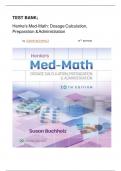
Henke's Med-Math: Dosage Calculation,
hp hp hp
Preparation & Administration
hp hp
by SUSAN BUCHHOLZ
hp hp 10TH EDITION
hp
, .
Table of Contents hp hp
Chapter 1, Arithmetic Needed for Dosage
hp hp hp hp hp
Chapter 2, Metric and Household Systems of Measurement Chapt
hp hp hp hp hp hp hp hp
er 3, Drug Abbreviations, Labels, and Packaging
hp hp hp hp hp hp
Chapter 4, Calculation of Oral Medications—
hp hp hp hp hp
Solids and Liquids Chapter 5, Liquids for Injection
hp hp hp hp hp hp hp
Chapter 6, Calculation of Basic IV Drip Rates Chapt
hp hp hp hp hp hp hp hp
er 7, Special Types of IV Calculations
hp hp hp hp hp hp
Chapter 8, Dosage Problems for Infants and Children
hp hp hp hp hp hp hp
Chapter 9, Information Basic to Administering Drug
hp hp hp hp hp hp hp
s Chapter 10, Administration Procedures
hp hp hp hp
, .
Chapter 1, Arithmetic Needed for Dosage hp hp hp hp hp
.
Format: Multiple Choice Chaptehp hp hp
r: 1 hp
Client Needs: Physiological Integrity: Basic Care and comfort
hp h p hp hp hp hp hp h
p Cognitive Level: Apply hp h p
Difficulty: h p Moderate .
Page and Header: 2, Dividing Whole Numbers; 3, Fractions Integra
hp hp hp hp hp hp hp hp hp
ted Process: Teaching/Learning
hp h p
.
Objective: h p 1, 2 hp
1. A patient/client was instructed to drink 25 oz of water within 2 hours but
hp hp hp hp hp hp hp hp hp hp hp hp hp hp
was only able to drink 15 oz. What portion of the water remained?
hp hp hp hp hp hp hp hp hp hp hp hp
A) 2/5
B) 3/5 .
C) 2/25
D) 25/25
Ans: A .
Feedback: Subtract the quantity of water the client drank (15 oz) from the total ava
hp hp hp hp hp hp hp hp hp hp hp hp hp hp
ilable quantity (25 oz): 10 oz remain. To determine ta hb i reb . cpo om r/ t te is ot n of the water that rem
hp hp hp hp hp hp hp hp hp hp hp hp hp hp hp
ains, create a fraction by dividing 10 oz (remaining portion) by 25 oz (total
hp hp hp hp hp hp hp hp hp hp hp hp hp
portion). Therefore, 10 divided by 25 = 10/25. To reduce fractions, find the largest
hp hp hp hp hp hp hp hp hp hp hp hp hp
.
number that can be divided evenly into the numerator and the denominator (5). Ten
hp hp hp hp hp hp hp hp hp hp hp hp hp hp
divided by 5 (10/5) = 2; 25/5 = 5. The fraction 10/25 can be reduced to its lowest
hp hp hp hp hp hp hp hp hp hp hp hp hp hp hp hp hp
terms of 2/5. hp hp
.
Format: Multiple Choice hp hp
.
Chapter: 1 hp
Client Needs: hp h p Physiological Integrity: Basic Care and Comfort hp hp hp hp hp
.
Cognitive Level: Apply hp hp
Difficulty: h p Moderate
Page and Header: 2, Dividing Whole Numbers; 3, Fractiaobinrbs.
hp hp h p hp hp hp hp hp
.
Page 1 hp
, .
Integrated Process: Teaching/Learning hp hp
Objective: h p 1, 2 hp
2. A patient/client was prescribed 240 mL of Ensure by mouth and a supplemen
hp hp hp hp hp hp hp hp hp hp hp hp
t but consumed only 100 mL. What portion of the Ensure remained?
hp hp hp hp hp hp hp hp hp hp hp
A) 5/12
.
B) 7/12
C) 100/240
D) 240/240 .
Ans: B
Feedback: Subtract the quantity of Ensure the client c o na sb i ur bm
hp . c oe
md/ t e s(t 1 0 0 mL) from the t
hp hp hp hp hp hp hp hp hp hp hp
otal available quantity (240 mL): 140 mL remain. To determine the portion of the
hp hp hp hp hp hp hp hp hp hp hp hp hp hp
Ensure that remains, create a fraction by dividing 140 mL (remaining portion) by 240
hp hp hp hp hp hp hp hp hp hp hp hp hp
.
mL (total portion). Therefore, 140 divided by 240 = 7/12. To reduce fractions, find the
hp hp hp hp hp hp hp hp hp hp hp hp hp hp
largest number that can be divided evenly into the numerator and the denominator
hp hp hp hp hp hp hp hp hp hp hp hp
(20); 140 divided by 20 (140/20) = 7; 240/20 = 12. The fractio 140/240 can be
hp hp hp hp hp hp hp hp hp hp hp hp hp hp
n reduced to its lowest terms of 7/12.
hp hp hp hp hp hp hp
.
Format: Multiple Choice Chapte hp hp hp
r: 1 hp
Client Needs: Physiological Integrity: Basic Care and comfort
hp h p hp hp hp hp hp h
p Cognitive Level: Analyze hp h p
Difficulty: Difficult h p .
Page and Header: 2, Multiplying Whole Numbers; 3, Fraction
hp hp h p hp hp hp hp hp
s Integrated Process: Communication and Documentation
hp hp h p hp hp
.
Objective: h p 1, 2 hp
1 1
3. A patient/client consumed 2 4 oz. of coffee, 2/3 oz. of ice cream, and 21
hp hp hp hp hp hp hp hp hp hp hp hp
a b i r b . c o m / t e s t hp
oz. of beef broth. What is the total number of ounces c o n s u m e d t h a t shoul
hp hp hp hp hp hp hp hp hp hp hp
d be documented for the patient/client?
hp hp hp hp hp
A) 3 3/4hp .
B) 4 5/12
hp
C) 4 2/3hp
.
D) 4 4/9hp
.
Page 2 hp
TEST BANK;
hp
Henke's Med-Math: Dosage Calculation,
hp hp hp
Preparation & Administration
hp hp
by SUSAN BUCHHOLZ
hp hp 10TH EDITION
hp
, .
Table of Contents hp hp
Chapter 1, Arithmetic Needed for Dosage
hp hp hp hp hp
Chapter 2, Metric and Household Systems of Measurement Chapt
hp hp hp hp hp hp hp hp
er 3, Drug Abbreviations, Labels, and Packaging
hp hp hp hp hp hp
Chapter 4, Calculation of Oral Medications—
hp hp hp hp hp
Solids and Liquids Chapter 5, Liquids for Injection
hp hp hp hp hp hp hp
Chapter 6, Calculation of Basic IV Drip Rates Chapt
hp hp hp hp hp hp hp hp
er 7, Special Types of IV Calculations
hp hp hp hp hp hp
Chapter 8, Dosage Problems for Infants and Children
hp hp hp hp hp hp hp
Chapter 9, Information Basic to Administering Drug
hp hp hp hp hp hp hp
s Chapter 10, Administration Procedures
hp hp hp hp
, .
Chapter 1, Arithmetic Needed for Dosage hp hp hp hp hp
.
Format: Multiple Choice Chaptehp hp hp
r: 1 hp
Client Needs: Physiological Integrity: Basic Care and comfort
hp h p hp hp hp hp hp h
p Cognitive Level: Apply hp h p
Difficulty: h p Moderate .
Page and Header: 2, Dividing Whole Numbers; 3, Fractions Integra
hp hp hp hp hp hp hp hp hp
ted Process: Teaching/Learning
hp h p
.
Objective: h p 1, 2 hp
1. A patient/client was instructed to drink 25 oz of water within 2 hours but
hp hp hp hp hp hp hp hp hp hp hp hp hp hp
was only able to drink 15 oz. What portion of the water remained?
hp hp hp hp hp hp hp hp hp hp hp hp
A) 2/5
B) 3/5 .
C) 2/25
D) 25/25
Ans: A .
Feedback: Subtract the quantity of water the client drank (15 oz) from the total ava
hp hp hp hp hp hp hp hp hp hp hp hp hp hp
ilable quantity (25 oz): 10 oz remain. To determine ta hb i reb . cpo om r/ t te is ot n of the water that rem
hp hp hp hp hp hp hp hp hp hp hp hp hp hp hp
ains, create a fraction by dividing 10 oz (remaining portion) by 25 oz (total
hp hp hp hp hp hp hp hp hp hp hp hp hp
portion). Therefore, 10 divided by 25 = 10/25. To reduce fractions, find the largest
hp hp hp hp hp hp hp hp hp hp hp hp hp
.
number that can be divided evenly into the numerator and the denominator (5). Ten
hp hp hp hp hp hp hp hp hp hp hp hp hp hp
divided by 5 (10/5) = 2; 25/5 = 5. The fraction 10/25 can be reduced to its lowest
hp hp hp hp hp hp hp hp hp hp hp hp hp hp hp hp hp
terms of 2/5. hp hp
.
Format: Multiple Choice hp hp
.
Chapter: 1 hp
Client Needs: hp h p Physiological Integrity: Basic Care and Comfort hp hp hp hp hp
.
Cognitive Level: Apply hp hp
Difficulty: h p Moderate
Page and Header: 2, Dividing Whole Numbers; 3, Fractiaobinrbs.
hp hp h p hp hp hp hp hp
.
Page 1 hp
, .
Integrated Process: Teaching/Learning hp hp
Objective: h p 1, 2 hp
2. A patient/client was prescribed 240 mL of Ensure by mouth and a supplemen
hp hp hp hp hp hp hp hp hp hp hp hp
t but consumed only 100 mL. What portion of the Ensure remained?
hp hp hp hp hp hp hp hp hp hp hp
A) 5/12
.
B) 7/12
C) 100/240
D) 240/240 .
Ans: B
Feedback: Subtract the quantity of Ensure the client c o na sb i ur bm
hp . c oe
md/ t e s(t 1 0 0 mL) from the t
hp hp hp hp hp hp hp hp hp hp hp
otal available quantity (240 mL): 140 mL remain. To determine the portion of the
hp hp hp hp hp hp hp hp hp hp hp hp hp hp
Ensure that remains, create a fraction by dividing 140 mL (remaining portion) by 240
hp hp hp hp hp hp hp hp hp hp hp hp hp
.
mL (total portion). Therefore, 140 divided by 240 = 7/12. To reduce fractions, find the
hp hp hp hp hp hp hp hp hp hp hp hp hp hp
largest number that can be divided evenly into the numerator and the denominator
hp hp hp hp hp hp hp hp hp hp hp hp
(20); 140 divided by 20 (140/20) = 7; 240/20 = 12. The fractio 140/240 can be
hp hp hp hp hp hp hp hp hp hp hp hp hp hp
n reduced to its lowest terms of 7/12.
hp hp hp hp hp hp hp
.
Format: Multiple Choice Chapte hp hp hp
r: 1 hp
Client Needs: Physiological Integrity: Basic Care and comfort
hp h p hp hp hp hp hp h
p Cognitive Level: Analyze hp h p
Difficulty: Difficult h p .
Page and Header: 2, Multiplying Whole Numbers; 3, Fraction
hp hp h p hp hp hp hp hp
s Integrated Process: Communication and Documentation
hp hp h p hp hp
.
Objective: h p 1, 2 hp
1 1
3. A patient/client consumed 2 4 oz. of coffee, 2/3 oz. of ice cream, and 21
hp hp hp hp hp hp hp hp hp hp hp hp
a b i r b . c o m / t e s t hp
oz. of beef broth. What is the total number of ounces c o n s u m e d t h a t shoul
hp hp hp hp hp hp hp hp hp hp hp
d be documented for the patient/client?
hp hp hp hp hp
A) 3 3/4hp .
B) 4 5/12
hp
C) 4 2/3hp
.
D) 4 4/9hp
.
Page 2 hp