SOLUTION MANUAL FOR
sd sd sd
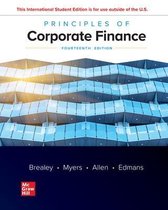
Principles Of Corporate Finance
sd sd sd sd
14th Edition By Richard Brealey, Stewart Myers, ALL
sd sd sd sd sd sd sd
Chapters (1 - 34)
sd sd sd sd
, TABLE OF CONTENTS SD SD
Chapter sd 1: sd Introduction to Corporate Finance sd sd sd
Chapter sd 2: sd How to Calculate Present Values
sd sd sd sd
Chapter sd 3: sd Valuing Bonds sd
Chapter sd 4: sd Valuing Stocks sd
Chapter sd 5: sd Net Present Value and Other Investment Criteria
sd sd sd sd sd sd
Chapter sd 6: sd Making Investment Decisions with the Net Present Value Rule
sd sd sd sd sd sd sd sd sd
Chapter 7: Introduction to Risk, Diversification, and Portfolio Selection
sd sd sd sd sd sd sd sd
Chapter 8: The Capital Asset Pricing Model
sd sd sd sd sd sd
Chapter 9: Risk and the Cost of Capital
sd sd sd sd sd sd sd
Chapter 10: Project Analysis
sd sd sd
Chapter 11: How to Ensure That Projects Truly Have PositiveNPVs
sd sd sd sd sd sd sd sd sd sd
Chapter 12: Efficient Markets and Behavioral Finance
sd sd sd sd sd sd
Chapter 13: An Overview of Corporate Financing
sd sd sd sd sd sd
Chapter 14: How Corporations Issue Securities
sd sd sd sd sd sd
Chapter sd 15: sd Payout Policy sd
Chapter sd 16: sd Does Debt Policy Matter?
sd sd sd
Chapter sd 17: sd How Much Should a Corporation Borrow?
sd sd sd sd sd
Chapter sd 18: sd Financing and Valuation sd sd sd
Chapter 19: Agency Problems and Corporate Governance
sd sd sd sd sd sd
Chapter 20: Stakeholder Capitalism and Responsible Business
sd sd sd sd sd sd sd
Chapter 21: Understanding Options
sd sd sd
Chapter 22: Valuing Options
sd sd sd
Chapter 23: Real Options
sd sd sd sd
Chapter 24: Credit Risk and the Value of Corporate Debt
sd sd sd sd sd sd sd sd sd
Chapter 25: The Many Different Kinds of Debt
sd sd sd sd sd sd sd
Chapter 26: Leasing
sd sd
Chapter 27: Managing Risk
sd sd sd
Chapter 28: International Financial Management
sd sd sd sd sd
Chapter 29: Financial Analysis
sd sd sd
Chapter 30: Financial Planning
sd sd sd
Chapter 31: Working Capital Management
sd sd sd sd
Chapter 32: Mergers
sd sd
Chapter 33: Corporate Restructuring
sd sd sd sd
,Chapter 34: Conclusion: What We Do and Do Not Know about Finance
sd sd sd sd sd sd sd sd sd sd sd
CHAPTER 1 sd
Introduction to Corporate Finance sd sd sd
The values shown in the solutions may be rounded for display purposes. However, the answers
sd sd sd sd sd sd sd sd sd sd sd sd sd sd
werederived using a spreadsheet without any intermediate rounding.
sd sd sd sd sd sd sd sd sd
Answers to Problem Sets
sd sd sd
1. a. real
b. executive airplanes sd
c. brand names sd
d. financial
e. bonds
*f. investment or capital expenditure sd sd sd
*g. capital budgeting or investmentsd sd sd
h. financing
*Note that f and g are interchangeable in the question.
sd sd sd sd sd sd sd sd sd
Est time: 01-05
sd sd
2. A trademark, a factory, undeveloped land, and your work force (c, d, e, and g) are all real
sd sd sd sd sd sd sd sd sd sd sd sd sd sd sd sd sd
assets. Real assets are identifiable as items with intrinsic value. The others in the list are
sd sd sd sd sd sd sd sd sd sd sd sd sd sd sd sd
financial assets,that is, these assets derive value because of a contractual claim.
sd sd sd sd sd sd sd sd sd sd sd sd sd
Est time: 01-05
sd sd
3. a. Financial assets, such as stocks or bank loans, are claims held by investors.
sd sd sd sd sd sd sd sd sd sd sd sd
Corporations sell financial assets to raise the cash to invest in real assets such as
sd sd sd sd sd sd sd sd sd sd sd sd sd sd sd
plantand equipment. Some real assets are intangible.
sd sd sd sd sd sd sd sd
b. Capital expenditure means investment in real assets. Financing means raising the
sd sd sd sd sd sd sd sd sd sd
cashfor this investment.
sd sd sd sd
, c. The shares of public corporations are traded on stock exchanges and can be
sd sd sd sd sd sd sd sd sd sd sd sd
purchasedby a wide range of investors. The shares of closely held corporations are
sd sd sd sd sd sd sd sd sd sd sd sd sd sd
not publicly traded and are held by a small group of private investors.
sd sd sd sd sd sd sd sd sd sd sd sd sd
d. Unlimited liability: Investors are responsible for all the firm‘s debts. A sole proprietor
sd sd sd sd sd sd sd sd sd sd sd sd
hasunlimited liability. Investors in corporations have limited liability. They can lose
sd sd sd sd sd sd sd sd sd sd sd sd
their investment, but no more.
sd sd sd sd sd
Est time: 01-05
sd sd
sd sd sd
Principles Of Corporate Finance
sd sd sd sd
14th Edition By Richard Brealey, Stewart Myers, ALL
sd sd sd sd sd sd sd
Chapters (1 - 34)
sd sd sd sd
, TABLE OF CONTENTS SD SD
Chapter sd 1: sd Introduction to Corporate Finance sd sd sd
Chapter sd 2: sd How to Calculate Present Values
sd sd sd sd
Chapter sd 3: sd Valuing Bonds sd
Chapter sd 4: sd Valuing Stocks sd
Chapter sd 5: sd Net Present Value and Other Investment Criteria
sd sd sd sd sd sd
Chapter sd 6: sd Making Investment Decisions with the Net Present Value Rule
sd sd sd sd sd sd sd sd sd
Chapter 7: Introduction to Risk, Diversification, and Portfolio Selection
sd sd sd sd sd sd sd sd
Chapter 8: The Capital Asset Pricing Model
sd sd sd sd sd sd
Chapter 9: Risk and the Cost of Capital
sd sd sd sd sd sd sd
Chapter 10: Project Analysis
sd sd sd
Chapter 11: How to Ensure That Projects Truly Have PositiveNPVs
sd sd sd sd sd sd sd sd sd sd
Chapter 12: Efficient Markets and Behavioral Finance
sd sd sd sd sd sd
Chapter 13: An Overview of Corporate Financing
sd sd sd sd sd sd
Chapter 14: How Corporations Issue Securities
sd sd sd sd sd sd
Chapter sd 15: sd Payout Policy sd
Chapter sd 16: sd Does Debt Policy Matter?
sd sd sd
Chapter sd 17: sd How Much Should a Corporation Borrow?
sd sd sd sd sd
Chapter sd 18: sd Financing and Valuation sd sd sd
Chapter 19: Agency Problems and Corporate Governance
sd sd sd sd sd sd
Chapter 20: Stakeholder Capitalism and Responsible Business
sd sd sd sd sd sd sd
Chapter 21: Understanding Options
sd sd sd
Chapter 22: Valuing Options
sd sd sd
Chapter 23: Real Options
sd sd sd sd
Chapter 24: Credit Risk and the Value of Corporate Debt
sd sd sd sd sd sd sd sd sd
Chapter 25: The Many Different Kinds of Debt
sd sd sd sd sd sd sd
Chapter 26: Leasing
sd sd
Chapter 27: Managing Risk
sd sd sd
Chapter 28: International Financial Management
sd sd sd sd sd
Chapter 29: Financial Analysis
sd sd sd
Chapter 30: Financial Planning
sd sd sd
Chapter 31: Working Capital Management
sd sd sd sd
Chapter 32: Mergers
sd sd
Chapter 33: Corporate Restructuring
sd sd sd sd
,Chapter 34: Conclusion: What We Do and Do Not Know about Finance
sd sd sd sd sd sd sd sd sd sd sd
CHAPTER 1 sd
Introduction to Corporate Finance sd sd sd
The values shown in the solutions may be rounded for display purposes. However, the answers
sd sd sd sd sd sd sd sd sd sd sd sd sd sd
werederived using a spreadsheet without any intermediate rounding.
sd sd sd sd sd sd sd sd sd
Answers to Problem Sets
sd sd sd
1. a. real
b. executive airplanes sd
c. brand names sd
d. financial
e. bonds
*f. investment or capital expenditure sd sd sd
*g. capital budgeting or investmentsd sd sd
h. financing
*Note that f and g are interchangeable in the question.
sd sd sd sd sd sd sd sd sd
Est time: 01-05
sd sd
2. A trademark, a factory, undeveloped land, and your work force (c, d, e, and g) are all real
sd sd sd sd sd sd sd sd sd sd sd sd sd sd sd sd sd
assets. Real assets are identifiable as items with intrinsic value. The others in the list are
sd sd sd sd sd sd sd sd sd sd sd sd sd sd sd sd
financial assets,that is, these assets derive value because of a contractual claim.
sd sd sd sd sd sd sd sd sd sd sd sd sd
Est time: 01-05
sd sd
3. a. Financial assets, such as stocks or bank loans, are claims held by investors.
sd sd sd sd sd sd sd sd sd sd sd sd
Corporations sell financial assets to raise the cash to invest in real assets such as
sd sd sd sd sd sd sd sd sd sd sd sd sd sd sd
plantand equipment. Some real assets are intangible.
sd sd sd sd sd sd sd sd
b. Capital expenditure means investment in real assets. Financing means raising the
sd sd sd sd sd sd sd sd sd sd
cashfor this investment.
sd sd sd sd
, c. The shares of public corporations are traded on stock exchanges and can be
sd sd sd sd sd sd sd sd sd sd sd sd
purchasedby a wide range of investors. The shares of closely held corporations are
sd sd sd sd sd sd sd sd sd sd sd sd sd sd
not publicly traded and are held by a small group of private investors.
sd sd sd sd sd sd sd sd sd sd sd sd sd
d. Unlimited liability: Investors are responsible for all the firm‘s debts. A sole proprietor
sd sd sd sd sd sd sd sd sd sd sd sd
hasunlimited liability. Investors in corporations have limited liability. They can lose
sd sd sd sd sd sd sd sd sd sd sd sd
their investment, but no more.
sd sd sd sd sd
Est time: 01-05
sd sd