STEDI.org Substitute Teacher Handbook i,- i,- i,- i,-
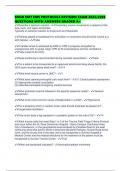
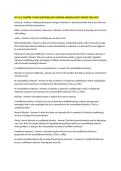
9th Edition Ch.'s 1-5 Test with Verified
i,- i,- i,- i,- i,- i,- i,-
Answers |100% Correct. i,- i,-
Ability to teach expectations: types of expectations: 2
i,- i,- i,- i,- i,- i,- i,- i,- i,-
Instructional expectations and procedural expectations: explain in
i,- i,- i,- i,- i,- i,- i,-
form of step by step process helps students remember the
i,- i,- i,- i,- i,- i,- i,- i,- i,- i,-
expectations and complete the corresponding task appropriately
i,- i,- i,- i,- i,- i,-
Ability to teach expectations: types of expectations: 3
i,- i,- Never i,- i,- i,- i,- i,- i,- i,- i,-
repeat an expectation a student already knows, question the
i,- i,- i,- i,- i,- i,- i,- i,- i,-
students regarding expectations instead i,- i,- i,-
Ability to teach expectations: types of expectations: 4
i,- i,- i,- i,- i,- i,- i,- i,- i,-
Minimize time during transitions (give worksheets while students
i,- i,- i,- i,- i,- i,- i,- i,-
are working on a previous assignment)
i,- i,- i,- i,- i,-
Ability to get and keep students on task
i,- Begin instructions
i,- i,- i,- i,- i,- i,- i,- i,- i,- i,-
immediately, manage behavior by walking around, seat chart i,- i,- i,- i,- i,- i,- i,-
Other on task strategies
i,- i,- i,- i,- i,- whisper, captivate and redirect, writer i,- i,- i,- i,- i,-
and erasei,-
,Ability to maintain high rate of positive interactions 1
i,- i,- Give i,- i,- i,- i,- i,- i,- i,- i,- i,-
specific praise (praise a specific action rather than general good
i,- i,- i,- i,- i,- i,- i,- i,- i,- i,-
job)
Ability to maintain high rate of positive interactions 2
i,- i,- i,- i,- i,- i,- i,- i,- i,- i,-
Negative and corrective interactions should be outnumbered by
i,- i,- i,- i,- i,- i,- i,- i,-
positive interactions, with a ratio of 1 negative or corrective
i,- i,- i,- i,- i,- i,- i,- i,- i,- i,-
interaction to 8 positive interactions
i,- i,- i,- i,-
Ability to maintain high rate of positive interactions 3
i,- i,- i,- i,- i,- i,- i,- i,- i,- i,- The i,-
behavior you are trying to control is your own
i,- i,- i,- i,- i,- i,- i,- i,-
Ability to teach expectations: types of expectations: 1
i,- i,- i,- i,- i,- i,- i,- i,- i,-
classroom expectations (rules)- be clear, concise and give specific
i,- i,- i,- i,- i,- i,- i,- i,- i,-
instructions for student behavior (i.e.: follow directions the first
i,- i,- i,- i,- i,- i,- i,- i,- i,-
time given)
i,-
Consequential behavior: have significant negative effect in the
i,- i,- i,- i,- i,- i,- i,- i,- i,-
learning environment and interfere with the rights of other
i,- i,- i,- i,- i,- i,- i,- i,- i,-
students to learn i,- i,-
Consequential behaviors are: 1 i,- i,- i,- i,- i,- persistent and disruptive i,- i,-
, Consequential behaviors are: 2 i,- i,- i,- i,- i,-Destructive to learning i,- i,- i,-
environment
Consequential behaviors are: 3 i,- i,- i,- i,- i,-Physically or verbally abusive
i,- i,- i,-
Respond non-coercively to consequential behavior
i,- i,- i,- i,- i,- i,-Reinforce i,-
appropriate behavior i,-
i,-• Redirect student behavior
i,- i,- i,-
i,-• Reevaluate the situation
i,- i,- i,-
i,-• Use proximity
i,- i,-
i,-• Restate expectations
i,- i,-
i,-• State the facts
i,- i,- i,-
i,-• Acknowledge and restate
i,- i,- i,-
i,-• Use the I understand method
i,- i,- i,- i,- i,-
i,-• Remove, identify, and redirect
i,- i,- i,- i,-
i,-• Use assertive statements
i,- i,- i,-
i,-• Establish consequences
i,- i,-
Inconsequential behavior: behaviors that the classroom i,- i,- i,- i,- i,- i,- i,-
environment would be better off without but their negative
i,- i,- i,- i,- i,- i,- i,- i,- i,-
9th Edition Ch.'s 1-5 Test with Verified
i,- i,- i,- i,- i,- i,- i,-
Answers |100% Correct. i,- i,-
Ability to teach expectations: types of expectations: 2
i,- i,- i,- i,- i,- i,- i,- i,- i,-
Instructional expectations and procedural expectations: explain in
i,- i,- i,- i,- i,- i,- i,-
form of step by step process helps students remember the
i,- i,- i,- i,- i,- i,- i,- i,- i,- i,-
expectations and complete the corresponding task appropriately
i,- i,- i,- i,- i,- i,-
Ability to teach expectations: types of expectations: 3
i,- i,- Never i,- i,- i,- i,- i,- i,- i,- i,-
repeat an expectation a student already knows, question the
i,- i,- i,- i,- i,- i,- i,- i,- i,-
students regarding expectations instead i,- i,- i,-
Ability to teach expectations: types of expectations: 4
i,- i,- i,- i,- i,- i,- i,- i,- i,-
Minimize time during transitions (give worksheets while students
i,- i,- i,- i,- i,- i,- i,- i,-
are working on a previous assignment)
i,- i,- i,- i,- i,-
Ability to get and keep students on task
i,- Begin instructions
i,- i,- i,- i,- i,- i,- i,- i,- i,- i,-
immediately, manage behavior by walking around, seat chart i,- i,- i,- i,- i,- i,- i,-
Other on task strategies
i,- i,- i,- i,- i,- whisper, captivate and redirect, writer i,- i,- i,- i,- i,-
and erasei,-
,Ability to maintain high rate of positive interactions 1
i,- i,- Give i,- i,- i,- i,- i,- i,- i,- i,- i,-
specific praise (praise a specific action rather than general good
i,- i,- i,- i,- i,- i,- i,- i,- i,- i,-
job)
Ability to maintain high rate of positive interactions 2
i,- i,- i,- i,- i,- i,- i,- i,- i,- i,-
Negative and corrective interactions should be outnumbered by
i,- i,- i,- i,- i,- i,- i,- i,-
positive interactions, with a ratio of 1 negative or corrective
i,- i,- i,- i,- i,- i,- i,- i,- i,- i,-
interaction to 8 positive interactions
i,- i,- i,- i,-
Ability to maintain high rate of positive interactions 3
i,- i,- i,- i,- i,- i,- i,- i,- i,- i,- The i,-
behavior you are trying to control is your own
i,- i,- i,- i,- i,- i,- i,- i,-
Ability to teach expectations: types of expectations: 1
i,- i,- i,- i,- i,- i,- i,- i,- i,-
classroom expectations (rules)- be clear, concise and give specific
i,- i,- i,- i,- i,- i,- i,- i,- i,-
instructions for student behavior (i.e.: follow directions the first
i,- i,- i,- i,- i,- i,- i,- i,- i,-
time given)
i,-
Consequential behavior: have significant negative effect in the
i,- i,- i,- i,- i,- i,- i,- i,- i,-
learning environment and interfere with the rights of other
i,- i,- i,- i,- i,- i,- i,- i,- i,-
students to learn i,- i,-
Consequential behaviors are: 1 i,- i,- i,- i,- i,- persistent and disruptive i,- i,-
, Consequential behaviors are: 2 i,- i,- i,- i,- i,-Destructive to learning i,- i,- i,-
environment
Consequential behaviors are: 3 i,- i,- i,- i,- i,-Physically or verbally abusive
i,- i,- i,-
Respond non-coercively to consequential behavior
i,- i,- i,- i,- i,- i,-Reinforce i,-
appropriate behavior i,-
i,-• Redirect student behavior
i,- i,- i,-
i,-• Reevaluate the situation
i,- i,- i,-
i,-• Use proximity
i,- i,-
i,-• Restate expectations
i,- i,-
i,-• State the facts
i,- i,- i,-
i,-• Acknowledge and restate
i,- i,- i,-
i,-• Use the I understand method
i,- i,- i,- i,- i,-
i,-• Remove, identify, and redirect
i,- i,- i,- i,-
i,-• Use assertive statements
i,- i,- i,-
i,-• Establish consequences
i,- i,-
Inconsequential behavior: behaviors that the classroom i,- i,- i,- i,- i,- i,- i,-
environment would be better off without but their negative
i,- i,- i,- i,- i,- i,- i,- i,- i,-