Clinical Pharmacology and Pharmacotherapy (lesson10)
AIM: Translation theoretical concepts of… into a research project.
- Determinants of behaviour
- Behaviour change
- Intervention development
- Intervention evaluation
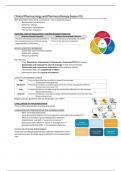
RATIONAL USE OF MEDICATION: EVIDENCE BASED PRACTICE
Without Clinical Expertise Without Current Best Evidence
Practice risks being tyrannized by evidence Practice risks becoming rapidly out of date
Even excellent external evidence may be This is to the detriment of patients
inappropriate for individuals
WHICH SCIENTIFIC EVIDENCE?
- Systematic summaries of evidence
- Systematic reviews
- Practice guidelines
Key Features:
- Clear Population, Intervention, Comparator, Outcome (PICO) framework
- Systematic and transparent search strategy to find relevant studies
- Systematic and transparent evaluation of the evidence quality
- Information about the magnitude of effect
- Information about the quality of evidence
QUALITY OF EVIDENCE: GRADE
High Very confident that the true effect is close to the estimate.
- Randomized controlled Trial
Moderate Moderately confident; true effect likely close but may be substantially different.
- Randomized controlled Trial
Low Limited confidence; true effect may be substantially different from the estimate.
- Observational study
Very low Very little confidence; true effect is likely substantially different from the estimate.
- Observational study
Belgian practice guideline rational medication use: “BCFI”.
CHALLENGES OF IMPLEMENTATION
There is still a gap between knowing and doing.
CHALLENGES OF MEDICATION IN THE NURSING HOMES
- More vulnerable population
- There are several aspects that are typical for nursing homes residents
- There is not always a good collaboration between
stakeholders: resident nurse and nurse aid
pharmacist who deliver expert management
general practitioner (PG) coordination physician
FOCUS ON RATIONAL PRESCIRBING
A call from the Belgian government: optimize medications of the
nursing home (bcs the high use of medication and inappropriate
use).
AIM: Translation theoretical concepts of… into a research project.
- Determinants of behaviour
- Behaviour change
- Intervention development
- Intervention evaluation
RATIONAL USE OF MEDICATION: EVIDENCE BASED PRACTICE
Without Clinical Expertise Without Current Best Evidence
Practice risks being tyrannized by evidence Practice risks becoming rapidly out of date
Even excellent external evidence may be This is to the detriment of patients
inappropriate for individuals
WHICH SCIENTIFIC EVIDENCE?
- Systematic summaries of evidence
- Systematic reviews
- Practice guidelines
Key Features:
- Clear Population, Intervention, Comparator, Outcome (PICO) framework
- Systematic and transparent search strategy to find relevant studies
- Systematic and transparent evaluation of the evidence quality
- Information about the magnitude of effect
- Information about the quality of evidence
QUALITY OF EVIDENCE: GRADE
High Very confident that the true effect is close to the estimate.
- Randomized controlled Trial
Moderate Moderately confident; true effect likely close but may be substantially different.
- Randomized controlled Trial
Low Limited confidence; true effect may be substantially different from the estimate.
- Observational study
Very low Very little confidence; true effect is likely substantially different from the estimate.
- Observational study
Belgian practice guideline rational medication use: “BCFI”.
CHALLENGES OF IMPLEMENTATION
There is still a gap between knowing and doing.
CHALLENGES OF MEDICATION IN THE NURSING HOMES
- More vulnerable population
- There are several aspects that are typical for nursing homes residents
- There is not always a good collaboration between
stakeholders: resident nurse and nurse aid
pharmacist who deliver expert management
general practitioner (PG) coordination physician
FOCUS ON RATIONAL PRESCIRBING
A call from the Belgian government: optimize medications of the
nursing home (bcs the high use of medication and inappropriate
use).