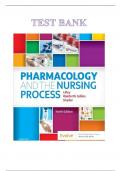
TEST BANK @ze
Test Bank Pharmacology: A Patient-
@ze @ze @ze @ze
Centered Nursing Process Approach 11th
@ze @ze @ze @ze
Edition ISBN: 9780323793155 Jennifer
@ze @ze @ z e @ze
Yeager, Kathleen DiMaggio, Linda
@ze @ze @ze @ze
McCuistion, Mary Winton
@ze @ze @ze
, Test @zeBank @zePharmacology: @zeA @zePatient-Centered @zeNursing @zeProcess @zeApproach @ze11th
@zeEdition @zeISBN: @ze9780323793155 @zeJennifer @zeYeager, @zeKathleen @zeDiMaggio, @zeLinda
@zeMcCuistion, @zeMary @zeWinton
Table @zeof @zeContent
1. @zeClinical @zeJudgment @zeManagement @zeModel @ze(CJMM) @zeand @zethe @zeNursing @zeProcess
2. @zeDrug @zeDevelopment @zeand @zeEthical @zeConsiderations
3. @zePharmacokinetics @zeand @zePharmacodynamics
4. @zePharmacogenetics
5. @zeComplementary @zeand @zeAlternative @zeTherapies
6. @zePediatric @zeConsiderations
7. @zeDrug @zeTherapy @zein @zeOlder @zeAdults
8. @zeDrugs @zein @zeSubstance @zeUse @zeDisorder
9. @zeSafety @zeand @zeQuality
10. @zeDrug @zeAdministration
11. @zeDrug @zeCalculations
12. @zeFluid @zeVolume @zeand @zeElectrolytes
13. @zeVitamin @zeand @zeMineral @zeReplacement
14. @zeNutritional @zeSupport
15. @zeAdrenergic @zeAgonists @zeand @zeAntagonists
16. @zeCholinergic @zeAgonists @zeand @zeAntagonists
17. @zeStimulants
18. @zeDepressants
19. @zeAntiseizure @zeDrugs
20. @zeDrugs @zefor @zeParkinsonism @zeand @zeAlzheimer @zeDisease
21. @zeDrugs @zefor @zeNeuromuscular @zeDisorders @zeand @zeMuscle @zeSpasms
22. @zeAntipsychotics @zeand @zeAnxiolytics
23. @zeAntidepressants @zeand @zeMood @zeStabilizers
24. @zeAntiinflammatories
25. @zeAnalgesics
26. @zePenicillins, @zeOther @zeBeta-Lactams, @zeand @zeCephalosporins
27. @zeMacrolides, @zeOxazolidinones, @zeLincosamides, @zeGlycopeptides, @zeKetolides, @zeand
@zeLipopeptides
28. @zeTetracyclines, @zeGlycylcyclines, @zeAminoglycosides, @zeand @zeFluoroquinolones
29. @zeSulfonamides @zeand @zeNitroimidazoles @zeAntibiotics
30. @zeAntituberculars, @zeAntifungals, @zeand @zeAntivirals
31. @zeAntimalarials, @zeAnthelmintics, @zeand @zePeptides
32. @zeHIV- @zeand @zeAIDS-Related @zeDrugs
33. @zeTransplant @zeDrugs
34. @zeVaccines
35. @zeAnticancer @zeDrugs
36. @zeTargeted @zeTherapies @zeto @zeTreat @zeCancer
,37. @zeBiologic @zeResponse @zeModifiers
38. @zeUpper @zeRespiratory @zeDisorders
39. @zeLower @zeRespiratory @zeDisorders
40. @zeCardiac @zeGlycosides, @zeAntianginals, @zeand @zeAntidysrhythmics
41. @zeDiuretics
42. @zeAntihypertensives
43. @zeAnticoagulants, @zeAntiplatelets, @zeand @zeThrombolytics
44. @zeAntihyperlipidemics @zeand @zeDrugs @zeto @zeImprove @zePeripheral @zeBlood @zeFlow
45. @zeGastrointestinal @zeTract @zeDisorders
46. @zeAntiulcer @zeDrugs
47. @zeEye @zeand @zeEar @zeDisorders
48. @zeDermatologic @zeDisorders
49. @zePituitary, @zeThyroid, @zeParathyroid, @zeand @zeAdrenal @zeDisorders
50. @zeAntidiabetics
51. @zeUrinary @zeDisorders
52. @zePregnancy @zeand @zePreterm @zeLabor
53. @zeLabor, @zeDelivery, @zeand @zePostpartum
54. @zeNeonatal @zeand @zeNewborn
55. @zeWomen’s @zeReproductive @zeHealth
56. @zeMen’s @zeReproductive @zeHealth
57. @zeSexually @zeTransmitted @zeInfections
58. @zeAdult @zeand @zePediatric @zeEmergency @zeDrugs
, Chapter 01: The Nursing Process and Patient-Centered Care
McCuistion: Pharmacology: A Patient-Centered Nursing Process Approach, 11th Edition
MULTIPLE CHOICE
1. All of the following would be considered subjective data, EXCEPT:
a. Patient-reported health history
b. Patient-reported signs and symptoms of their illness
c. Financial barriers reported by the patient’s caregiver
d. Vital signs obtained from the medical record
ANS: D
Subjective data is based on what patients or family members communicate to the nurse. Patient-
reported health history, signs and symptoms, and caregiver reported financial barriers would be
considered subjective data. Vital signs obtained from the medical record would be considered
objective data.
DIF: Cognitive Level: Understanding (Comprehension) TOP: Nursing Process: Planning
MSC: NCLEX: Management of Client Care
2. The nurse is using data collected to define a set of interventions to achieve the most desirable
outcomes. Which of the following steps is the nurse applying?
a. Recognizing cues (assessment)
b. Analyze cues & prioritize hypothesis (analysis)
c. Generate solutions (planning)
d. Take action (nursing interventions)
ANS: C
When generating solutions (planning), the nurse identifies expected outcomes and uses the
patient’s problem(s) to define a set of interventions to achieve the most desirable outcomes.
Recognizing cues (assessment) involves the gathering of cues (information) from the patient
about their health and lifestyle practices, which are important facts that aid the nurse in making
clinical care decisions. Prioritizing hypothesis is used to organize and rank the patient problem(s)
identified. Finally, taking action involves implementation of nursing interventions to accomplish
the expected outcomes.
DIF: Cognitive Level: Understanding (Comprehension)
TOP: Nursing Process: Nursing Intervention
MSC: NCLEX: Management of Client Care
3. A 5-year-old child with type 1 diabetes mellitus has had repeated hospitalizations for episodes of
hyperglycemia. The parents tell the nurse that they can’t keep track of everything that has to be
done to care for their child. The nurse reviews medications, diet, and symptom management with
the parents and draws up a daily checklist for the family to use. These activities are completed in
which step of the nursing process?
a. Recognizing cues (assessment)
b. Analyze cues & prioritize hypothesis (analysis)
Test Bank Pharmacology: A Patient-
@ze @ze @ze @ze
Centered Nursing Process Approach 11th
@ze @ze @ze @ze
Edition ISBN: 9780323793155 Jennifer
@ze @ze @ z e @ze
Yeager, Kathleen DiMaggio, Linda
@ze @ze @ze @ze
McCuistion, Mary Winton
@ze @ze @ze
, Test @zeBank @zePharmacology: @zeA @zePatient-Centered @zeNursing @zeProcess @zeApproach @ze11th
@zeEdition @zeISBN: @ze9780323793155 @zeJennifer @zeYeager, @zeKathleen @zeDiMaggio, @zeLinda
@zeMcCuistion, @zeMary @zeWinton
Table @zeof @zeContent
1. @zeClinical @zeJudgment @zeManagement @zeModel @ze(CJMM) @zeand @zethe @zeNursing @zeProcess
2. @zeDrug @zeDevelopment @zeand @zeEthical @zeConsiderations
3. @zePharmacokinetics @zeand @zePharmacodynamics
4. @zePharmacogenetics
5. @zeComplementary @zeand @zeAlternative @zeTherapies
6. @zePediatric @zeConsiderations
7. @zeDrug @zeTherapy @zein @zeOlder @zeAdults
8. @zeDrugs @zein @zeSubstance @zeUse @zeDisorder
9. @zeSafety @zeand @zeQuality
10. @zeDrug @zeAdministration
11. @zeDrug @zeCalculations
12. @zeFluid @zeVolume @zeand @zeElectrolytes
13. @zeVitamin @zeand @zeMineral @zeReplacement
14. @zeNutritional @zeSupport
15. @zeAdrenergic @zeAgonists @zeand @zeAntagonists
16. @zeCholinergic @zeAgonists @zeand @zeAntagonists
17. @zeStimulants
18. @zeDepressants
19. @zeAntiseizure @zeDrugs
20. @zeDrugs @zefor @zeParkinsonism @zeand @zeAlzheimer @zeDisease
21. @zeDrugs @zefor @zeNeuromuscular @zeDisorders @zeand @zeMuscle @zeSpasms
22. @zeAntipsychotics @zeand @zeAnxiolytics
23. @zeAntidepressants @zeand @zeMood @zeStabilizers
24. @zeAntiinflammatories
25. @zeAnalgesics
26. @zePenicillins, @zeOther @zeBeta-Lactams, @zeand @zeCephalosporins
27. @zeMacrolides, @zeOxazolidinones, @zeLincosamides, @zeGlycopeptides, @zeKetolides, @zeand
@zeLipopeptides
28. @zeTetracyclines, @zeGlycylcyclines, @zeAminoglycosides, @zeand @zeFluoroquinolones
29. @zeSulfonamides @zeand @zeNitroimidazoles @zeAntibiotics
30. @zeAntituberculars, @zeAntifungals, @zeand @zeAntivirals
31. @zeAntimalarials, @zeAnthelmintics, @zeand @zePeptides
32. @zeHIV- @zeand @zeAIDS-Related @zeDrugs
33. @zeTransplant @zeDrugs
34. @zeVaccines
35. @zeAnticancer @zeDrugs
36. @zeTargeted @zeTherapies @zeto @zeTreat @zeCancer
,37. @zeBiologic @zeResponse @zeModifiers
38. @zeUpper @zeRespiratory @zeDisorders
39. @zeLower @zeRespiratory @zeDisorders
40. @zeCardiac @zeGlycosides, @zeAntianginals, @zeand @zeAntidysrhythmics
41. @zeDiuretics
42. @zeAntihypertensives
43. @zeAnticoagulants, @zeAntiplatelets, @zeand @zeThrombolytics
44. @zeAntihyperlipidemics @zeand @zeDrugs @zeto @zeImprove @zePeripheral @zeBlood @zeFlow
45. @zeGastrointestinal @zeTract @zeDisorders
46. @zeAntiulcer @zeDrugs
47. @zeEye @zeand @zeEar @zeDisorders
48. @zeDermatologic @zeDisorders
49. @zePituitary, @zeThyroid, @zeParathyroid, @zeand @zeAdrenal @zeDisorders
50. @zeAntidiabetics
51. @zeUrinary @zeDisorders
52. @zePregnancy @zeand @zePreterm @zeLabor
53. @zeLabor, @zeDelivery, @zeand @zePostpartum
54. @zeNeonatal @zeand @zeNewborn
55. @zeWomen’s @zeReproductive @zeHealth
56. @zeMen’s @zeReproductive @zeHealth
57. @zeSexually @zeTransmitted @zeInfections
58. @zeAdult @zeand @zePediatric @zeEmergency @zeDrugs
, Chapter 01: The Nursing Process and Patient-Centered Care
McCuistion: Pharmacology: A Patient-Centered Nursing Process Approach, 11th Edition
MULTIPLE CHOICE
1. All of the following would be considered subjective data, EXCEPT:
a. Patient-reported health history
b. Patient-reported signs and symptoms of their illness
c. Financial barriers reported by the patient’s caregiver
d. Vital signs obtained from the medical record
ANS: D
Subjective data is based on what patients or family members communicate to the nurse. Patient-
reported health history, signs and symptoms, and caregiver reported financial barriers would be
considered subjective data. Vital signs obtained from the medical record would be considered
objective data.
DIF: Cognitive Level: Understanding (Comprehension) TOP: Nursing Process: Planning
MSC: NCLEX: Management of Client Care
2. The nurse is using data collected to define a set of interventions to achieve the most desirable
outcomes. Which of the following steps is the nurse applying?
a. Recognizing cues (assessment)
b. Analyze cues & prioritize hypothesis (analysis)
c. Generate solutions (planning)
d. Take action (nursing interventions)
ANS: C
When generating solutions (planning), the nurse identifies expected outcomes and uses the
patient’s problem(s) to define a set of interventions to achieve the most desirable outcomes.
Recognizing cues (assessment) involves the gathering of cues (information) from the patient
about their health and lifestyle practices, which are important facts that aid the nurse in making
clinical care decisions. Prioritizing hypothesis is used to organize and rank the patient problem(s)
identified. Finally, taking action involves implementation of nursing interventions to accomplish
the expected outcomes.
DIF: Cognitive Level: Understanding (Comprehension)
TOP: Nursing Process: Nursing Intervention
MSC: NCLEX: Management of Client Care
3. A 5-year-old child with type 1 diabetes mellitus has had repeated hospitalizations for episodes of
hyperglycemia. The parents tell the nurse that they can’t keep track of everything that has to be
done to care for their child. The nurse reviews medications, diet, and symptom management with
the parents and draws up a daily checklist for the family to use. These activities are completed in
which step of the nursing process?
a. Recognizing cues (assessment)
b. Analyze cues & prioritize hypothesis (analysis)