Test Bank Complete_
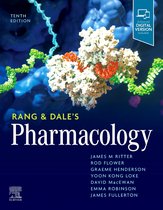
Rang & Dale's Pharmacology 10th Edition, (2023)
By James M. Ritter & 6 More
All Chapters 1-60| 6 Units| Latest Editions With Verified Answers| Grade A+
From: [Bestmaxsolutions.Stuvia
,SECTION 1: GENERAL PRINCIPLES -------------------------------------------------------------------------------- 5
Chapter 1. What Is Pharmacology? --------------------------------------------------------------------------------------5
Chapter 2: How Drugs Act: General Principles ------------------------------------------------------------------------9
Chapter 3: How Drugs Act: Molecular Aspects --------------------------------------------------------------------- 13
Chapter 4: How Drugs Act: Cellular Aspects - Excitation, Contraction And Secretion -------------------- 17
Chapter 5: How Drugs Act: Biopharmaceuticals And Gene Therapy ------------------------------------------ 21
Chapter 6: Cell Proliferation, Apoptosis, Repair And Regeneration ------------------------------------------ 25
Chapter 7. Cellular Mechanisms: Host Defence -------------------------------------------------------------------- 29
Chapter 8. Method And Measurement In Pharmacology -------------------------------------------------------- 35
Chapter 9: Absorption and distribution of drugs ------------------------------------------------------------------ 40
Chapter 10: Drug Metabolism And Elimination -------------------------------------------------------------------- 43
Chapter 11: Pharmacokinetics ------------------------------------------------------------------------------------------ 47
Chapter 12: Individual variation, pharmacogenomics and personalised medicine ----------------------- 51
Section 2: Chemical Mediators --------------------------------------------------------------------------------- 54
Chapter 13: Chemical Mediators And The Autonomic Nervous System ------------------------------------- 54
Chapter 14: Cholinergic Transmission -------------------------------------------------------------------------------- 58
Chapter 15: Noradrenergic Transmission ---------------------------------------------------------------------------- 63
Chapter 16: 5-Hydroxytryptamine And Purines -------------------------------------------------------------------- 68
Chapter 17: Local Hormones: Histamine, Lipids, Peptides And Proteins ------------------------------------ 74
Chapter 18: Cannabinoids------------------------------------------------------------------------------------------------ 80
Chapter 19: Nitric Oxide And Related Mediators ------------------------------------------------------------------ 86
Section 3: Drugs Affecting Major Organ Systems ---------------------------------------------------------- 92
Chapter 20: The Heart----------------------------------------------------------------------------------------------------- 92
Chapter 21: The Vascular System -------------------------------------------------------------------------------------- 97
Chapter 22: Atherosclerosis And Lipoprotein Metabolism ---------------------------------------------------- 102
Chapter 23: Haemostasis And Thrombosis ------------------------------------------------------------------------ 105
Chapter 24: Haemopoietic System And Treatment Of Anaemia --------------------------------------------- 109
Chapter 25: Anti-Inflammatory And Immunosuppressant Drugs -------------------------------------------- 112
Chapter 26: Skin ---------------------------------------------------------------------------------------------------------- 117
Chapter 27. Eye ----------------------------------------------------------------------------------------------------------- 122
Chapter 28: Respiratory System -------------------------------------------------------------------------------------- 127
, Chapter 29: The Kidney And Urinary System --------------------------------------------------------------------- 132
Chapter 30: The Gastrointestinal Tract ----------------------------------------------------------------------------- 137
Chapter 31: The Control Of Blood Glucose And Drug Treatment Of Diabetes Mellitus ---------------- 142
Chapter 32: Obesity ----------------------------------------------------------------------------------------------------- 145
Chapter 33: The Pituitary And The Adrenal Cortex -------------------------------------------------------------- 147
Chapter 34: The Thyroid ------------------------------------------------------------------------------------------------ 150
Chapter 35: The Reproductive System ------------------------------------------------------------------------------ 152
Chapter 36: Bone Metabolism ---------------------------------------------------------------------------------------- 156
SECTION 4: NERVOUS SYSTEM -------------------------------------------------------------------------------- 159
Chapter 37: Chemical Transmission And Drug Action In The Central Nervous System ---------------- 159
Chapter 38: Amino Acid Transmitters ------------------------------------------------------------------------------ 161
Chapter 39: Other Transmitters And Modulators --------------------------------------------------------------- 166
Chapter 40: Neurodegenerative Diseases ------------------------------------------------------------------------- 169
Chapter 41: General Anaesthetic Agents -------------------------------------------------------------------------- 173
Chapter 42: Headache -------------------------------------------------------------------------------------------------- 176
Chapter 43: Analgesic Drugs ------------------------------------------------------------------------------------------- 181
Chapter 44: Local Anaesthetics And Other Drugs Affecting Sodium Channels --------------------------- 187
Chapter 45. Anxiolytic And Hypnotic Drugs ----------------------------------------------------------------------- 193
Chapter 46. Antiepileptic Drugs -------------------------------------------------------------------------------------- 201
Chapter 47. Antipsychotic Drugs ------------------------------------------------------------------------------------- 207
Chapter 48. Antidepressant Drugs ----------------------------------------------------------------------------------- 213
Chapter 49. Psychoactive Drugs -------------------------------------------------------------------------------------- 219
Chapter 50. Drug Use And Addiction -------------------------------------------------------------------------------- 225
Section 5: Drugs Used For The Treatment Of Infections And Cancer ------------------------------- 231
Chapter 51. Basic Principles Of Antimicrobial Chemotherapy ------------------------------------------------ 231
Chapter 52: Antibacterial Drugs -------------------------------------------------------------------------------------- 234
Chapter 53: Antiviral Drugs -------------------------------------------------------------------------------------------- 238
Chapter 54: Antifungal Drugs ----------------------------------------------------------------------------------------- 241
Chapter 55: Antiprotozoal Drugs ------------------------------------------------------------------------------------- 243
Chapter 56. Antihelminthic Drugs ----------------------------------------------------------------------------------- 246
Chapter 57. Anticancer Drugs ----------------------------------------------------------------------------------------- 252
,SECTION 6: SPECIAL TOPICS------------------------------------------------------------------------------------ 259
Chapter 58. Harmful Effects Of Drugs ------------------------------------------------------------------------------- 259
Chapter 59: Lifestyle Drugs And Drugs In Sport ------------------------------------------------------------------ 266
Chapter 60: Drug Discovery And Development ------------------------------------------------------------------ 272
,SECTION 1: GENERAL PRINCIPLES
Chapter 1. What Is Pharmacology?
James M. Ritter: Rang & Dale's Pharmacology 10th Edition, (2023) Test Bank
MULTIPLE CHOPICE
1. Which Of The Following Best Defines Pharmacology?
A. The Study Of Drug Prices And Marketing Strategies
B. The Study Of How Drugs Interact With Living Organisms To Affect Function
C. The Study Of The Biochemical Processes Of Disease
D. The Study Of Surgical Techniques For Drug Delivery
CORRECT ANSWER: B
Pharmacology Is The Science Of Drugs, Including Their Composition, Uses, And Effects
On The Body. It Focuses On How Drugs Interact With Biological Systems To Affect
Function, Making Option B The Best Definition.
2. What Is The Primary Goal Of Pharmacology In Medicine?
A. To Prevent All Side Effects Of Drugs
B. To Create Drugs That Mimic All Endogenous Substances
C. To Understand Drug Mechanisms And Improve Therapeutic Effectiveness
D. To Design Drugs For Recreational Use
CORRECT ANSWER: C
Pharmacology Aims To Understand The Mechanisms By Which Drugs Act, So They Can
Be Used Safely And Effectively In The Treatment Of Diseases. This Involves Optimizing
Their Benefits While Minimizing Adverse Effects.
3. Which Of The Following Disciplines Is Most Closely Related To Pharmacodynamics?
,A. Drug Marketing
B. How The Body Metabolizes Drugs
C. The Interaction Of Drugs With Receptors And Their Effects
D. The Process Of Drug Excretion
CORRECT ANSWER: C
Pharmacodynamics Studies What Drugs Do To The Body—Including Receptor Binding,
Signal Transduction, And Drug-Induced Cellular Responses. It's Distinct From
Pharmacokinetics, Which Is About How The Body Handles Drugs.
4. Which Term Describes How The Body Absorbs, Distributes, Metabolizes, And
Excretes A Drug?
A. Pharmacogenomics
B. Toxicology
C. Pharmacodynamics
D. Pharmacokinetics
CORRECT ANSWER: D
Pharmacokinetics Involves The Movement Of Drugs Through The Body—Absorption,
Distribution, Metabolism, And Excretion (Adme). It Determines The Concentration Of
Drug At Its Site Of Action Over Time.
5. What Is The Definition Of A Drug Receptor?
A. A Protein That Transports Drugs Through The Bloodstream
B. A Molecule That Triggers Drug Metabolism
C. A Specific Molecular Site Where A Drug Binds To Produce A Response
D. A Site Of Drug Excretion
CORRECT ANSWER: C
, A Receptor Is A Specific Molecular Site, Typically A Protein, That Binds A Drug And
Initiates A Biological Response. This Interaction Is Central To The Concept Of
Pharmacodynamics.
6. Which Branch Of Pharmacology Deals With Harmful Effects Of Chemicals On Living
Organisms?
A. Pharmacokinetics
B. Pharmacovigilance
C. Toxicology
D. Pharmaceutics
CORRECT ANSWER: C
Toxicology Studies The Adverse Or Toxic Effects Of Drugs And Other Chemicals On
Biological Systems. It Helps Define Safe Dose Ranges And Mechanisms Of Poisoning.
7. What Does The Term “Agonist” Refer To In Pharmacology?
A. A Drug That Blocks Receptor Activation
B. A Drug That Enhances Drug Metabolism
C. A Molecule That Binds And Activates A Receptor
D. A Substance That Reduces Drug Absorption
CORRECT ANSWER: C
An Agonist Is A Molecule That Binds To A Receptor And Activates It, Mimicking The
Action Of A Natural Ligand. This Activation Leads To A Biological Response.
8. What Term Describes A Drug That Binds To A Receptor But Does Not Activate It
And Prevents Activation By Other Agents?
A. Agonist
B. Enzyme Inhibitor
C. Antagonist
D. Transporter Blocker
Rang & Dale's Pharmacology 10th Edition, (2023)
By James M. Ritter & 6 More
All Chapters 1-60| 6 Units| Latest Editions With Verified Answers| Grade A+
From: [Bestmaxsolutions.Stuvia
,SECTION 1: GENERAL PRINCIPLES -------------------------------------------------------------------------------- 5
Chapter 1. What Is Pharmacology? --------------------------------------------------------------------------------------5
Chapter 2: How Drugs Act: General Principles ------------------------------------------------------------------------9
Chapter 3: How Drugs Act: Molecular Aspects --------------------------------------------------------------------- 13
Chapter 4: How Drugs Act: Cellular Aspects - Excitation, Contraction And Secretion -------------------- 17
Chapter 5: How Drugs Act: Biopharmaceuticals And Gene Therapy ------------------------------------------ 21
Chapter 6: Cell Proliferation, Apoptosis, Repair And Regeneration ------------------------------------------ 25
Chapter 7. Cellular Mechanisms: Host Defence -------------------------------------------------------------------- 29
Chapter 8. Method And Measurement In Pharmacology -------------------------------------------------------- 35
Chapter 9: Absorption and distribution of drugs ------------------------------------------------------------------ 40
Chapter 10: Drug Metabolism And Elimination -------------------------------------------------------------------- 43
Chapter 11: Pharmacokinetics ------------------------------------------------------------------------------------------ 47
Chapter 12: Individual variation, pharmacogenomics and personalised medicine ----------------------- 51
Section 2: Chemical Mediators --------------------------------------------------------------------------------- 54
Chapter 13: Chemical Mediators And The Autonomic Nervous System ------------------------------------- 54
Chapter 14: Cholinergic Transmission -------------------------------------------------------------------------------- 58
Chapter 15: Noradrenergic Transmission ---------------------------------------------------------------------------- 63
Chapter 16: 5-Hydroxytryptamine And Purines -------------------------------------------------------------------- 68
Chapter 17: Local Hormones: Histamine, Lipids, Peptides And Proteins ------------------------------------ 74
Chapter 18: Cannabinoids------------------------------------------------------------------------------------------------ 80
Chapter 19: Nitric Oxide And Related Mediators ------------------------------------------------------------------ 86
Section 3: Drugs Affecting Major Organ Systems ---------------------------------------------------------- 92
Chapter 20: The Heart----------------------------------------------------------------------------------------------------- 92
Chapter 21: The Vascular System -------------------------------------------------------------------------------------- 97
Chapter 22: Atherosclerosis And Lipoprotein Metabolism ---------------------------------------------------- 102
Chapter 23: Haemostasis And Thrombosis ------------------------------------------------------------------------ 105
Chapter 24: Haemopoietic System And Treatment Of Anaemia --------------------------------------------- 109
Chapter 25: Anti-Inflammatory And Immunosuppressant Drugs -------------------------------------------- 112
Chapter 26: Skin ---------------------------------------------------------------------------------------------------------- 117
Chapter 27. Eye ----------------------------------------------------------------------------------------------------------- 122
Chapter 28: Respiratory System -------------------------------------------------------------------------------------- 127
, Chapter 29: The Kidney And Urinary System --------------------------------------------------------------------- 132
Chapter 30: The Gastrointestinal Tract ----------------------------------------------------------------------------- 137
Chapter 31: The Control Of Blood Glucose And Drug Treatment Of Diabetes Mellitus ---------------- 142
Chapter 32: Obesity ----------------------------------------------------------------------------------------------------- 145
Chapter 33: The Pituitary And The Adrenal Cortex -------------------------------------------------------------- 147
Chapter 34: The Thyroid ------------------------------------------------------------------------------------------------ 150
Chapter 35: The Reproductive System ------------------------------------------------------------------------------ 152
Chapter 36: Bone Metabolism ---------------------------------------------------------------------------------------- 156
SECTION 4: NERVOUS SYSTEM -------------------------------------------------------------------------------- 159
Chapter 37: Chemical Transmission And Drug Action In The Central Nervous System ---------------- 159
Chapter 38: Amino Acid Transmitters ------------------------------------------------------------------------------ 161
Chapter 39: Other Transmitters And Modulators --------------------------------------------------------------- 166
Chapter 40: Neurodegenerative Diseases ------------------------------------------------------------------------- 169
Chapter 41: General Anaesthetic Agents -------------------------------------------------------------------------- 173
Chapter 42: Headache -------------------------------------------------------------------------------------------------- 176
Chapter 43: Analgesic Drugs ------------------------------------------------------------------------------------------- 181
Chapter 44: Local Anaesthetics And Other Drugs Affecting Sodium Channels --------------------------- 187
Chapter 45. Anxiolytic And Hypnotic Drugs ----------------------------------------------------------------------- 193
Chapter 46. Antiepileptic Drugs -------------------------------------------------------------------------------------- 201
Chapter 47. Antipsychotic Drugs ------------------------------------------------------------------------------------- 207
Chapter 48. Antidepressant Drugs ----------------------------------------------------------------------------------- 213
Chapter 49. Psychoactive Drugs -------------------------------------------------------------------------------------- 219
Chapter 50. Drug Use And Addiction -------------------------------------------------------------------------------- 225
Section 5: Drugs Used For The Treatment Of Infections And Cancer ------------------------------- 231
Chapter 51. Basic Principles Of Antimicrobial Chemotherapy ------------------------------------------------ 231
Chapter 52: Antibacterial Drugs -------------------------------------------------------------------------------------- 234
Chapter 53: Antiviral Drugs -------------------------------------------------------------------------------------------- 238
Chapter 54: Antifungal Drugs ----------------------------------------------------------------------------------------- 241
Chapter 55: Antiprotozoal Drugs ------------------------------------------------------------------------------------- 243
Chapter 56. Antihelminthic Drugs ----------------------------------------------------------------------------------- 246
Chapter 57. Anticancer Drugs ----------------------------------------------------------------------------------------- 252
,SECTION 6: SPECIAL TOPICS------------------------------------------------------------------------------------ 259
Chapter 58. Harmful Effects Of Drugs ------------------------------------------------------------------------------- 259
Chapter 59: Lifestyle Drugs And Drugs In Sport ------------------------------------------------------------------ 266
Chapter 60: Drug Discovery And Development ------------------------------------------------------------------ 272
,SECTION 1: GENERAL PRINCIPLES
Chapter 1. What Is Pharmacology?
James M. Ritter: Rang & Dale's Pharmacology 10th Edition, (2023) Test Bank
MULTIPLE CHOPICE
1. Which Of The Following Best Defines Pharmacology?
A. The Study Of Drug Prices And Marketing Strategies
B. The Study Of How Drugs Interact With Living Organisms To Affect Function
C. The Study Of The Biochemical Processes Of Disease
D. The Study Of Surgical Techniques For Drug Delivery
CORRECT ANSWER: B
Pharmacology Is The Science Of Drugs, Including Their Composition, Uses, And Effects
On The Body. It Focuses On How Drugs Interact With Biological Systems To Affect
Function, Making Option B The Best Definition.
2. What Is The Primary Goal Of Pharmacology In Medicine?
A. To Prevent All Side Effects Of Drugs
B. To Create Drugs That Mimic All Endogenous Substances
C. To Understand Drug Mechanisms And Improve Therapeutic Effectiveness
D. To Design Drugs For Recreational Use
CORRECT ANSWER: C
Pharmacology Aims To Understand The Mechanisms By Which Drugs Act, So They Can
Be Used Safely And Effectively In The Treatment Of Diseases. This Involves Optimizing
Their Benefits While Minimizing Adverse Effects.
3. Which Of The Following Disciplines Is Most Closely Related To Pharmacodynamics?
,A. Drug Marketing
B. How The Body Metabolizes Drugs
C. The Interaction Of Drugs With Receptors And Their Effects
D. The Process Of Drug Excretion
CORRECT ANSWER: C
Pharmacodynamics Studies What Drugs Do To The Body—Including Receptor Binding,
Signal Transduction, And Drug-Induced Cellular Responses. It's Distinct From
Pharmacokinetics, Which Is About How The Body Handles Drugs.
4. Which Term Describes How The Body Absorbs, Distributes, Metabolizes, And
Excretes A Drug?
A. Pharmacogenomics
B. Toxicology
C. Pharmacodynamics
D. Pharmacokinetics
CORRECT ANSWER: D
Pharmacokinetics Involves The Movement Of Drugs Through The Body—Absorption,
Distribution, Metabolism, And Excretion (Adme). It Determines The Concentration Of
Drug At Its Site Of Action Over Time.
5. What Is The Definition Of A Drug Receptor?
A. A Protein That Transports Drugs Through The Bloodstream
B. A Molecule That Triggers Drug Metabolism
C. A Specific Molecular Site Where A Drug Binds To Produce A Response
D. A Site Of Drug Excretion
CORRECT ANSWER: C
, A Receptor Is A Specific Molecular Site, Typically A Protein, That Binds A Drug And
Initiates A Biological Response. This Interaction Is Central To The Concept Of
Pharmacodynamics.
6. Which Branch Of Pharmacology Deals With Harmful Effects Of Chemicals On Living
Organisms?
A. Pharmacokinetics
B. Pharmacovigilance
C. Toxicology
D. Pharmaceutics
CORRECT ANSWER: C
Toxicology Studies The Adverse Or Toxic Effects Of Drugs And Other Chemicals On
Biological Systems. It Helps Define Safe Dose Ranges And Mechanisms Of Poisoning.
7. What Does The Term “Agonist” Refer To In Pharmacology?
A. A Drug That Blocks Receptor Activation
B. A Drug That Enhances Drug Metabolism
C. A Molecule That Binds And Activates A Receptor
D. A Substance That Reduces Drug Absorption
CORRECT ANSWER: C
An Agonist Is A Molecule That Binds To A Receptor And Activates It, Mimicking The
Action Of A Natural Ligand. This Activation Leads To A Biological Response.
8. What Term Describes A Drug That Binds To A Receptor But Does Not Activate It
And Prevents Activation By Other Agents?
A. Agonist
B. Enzyme Inhibitor
C. Antagonist
D. Transporter Blocker