NUR 111-0001
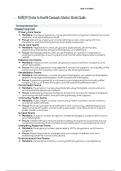
l─ NUR[111] Intro to Health Concepts Master Study Guide
───────────────
_The Interprofessinoal Team____________________________________________________
Chapter 2 pg. 9 ATI
Primary Care Teams
➔ Members: Nurses, physicians, nurse practitioners, physician assistants, social
workers, and administrative staff.
➔ Focus: Delivering ongoing and comprehensive care, managing chronic
conditions, and promoting preventive health measures.
Acute Care Teams
➔ Members: Registered nurses, physicians (specialists), pharmacists,
respiratory therapists, physical therapists, and dietitians.
➔ Focus: Managing patients with acute illnesses or injuries in hospitals or
emergency settings, ensuring quick and coordinated responses to patient
needs.
Palliative Care Teams
➔ Members: Palliative care nurses, physicians, social workers, chaplains, and
other specialists.
➔ Focus: Providing symptom management, emotional support, and quality of life
enhancements for patients with serious, life-limiting illnesses.
Rehabilitation Teams
➔ Members: Rehabilitation nurses, physical therapists, occupational therapists,
speech-language pathologists, and recreational therapists.
➔ Focus: Supporting patients in recovering and regaining functionality after
surgery, injury, or illness through a coordinated rehabilitation plan.
Mental Health Teams
➔ Members: Psychiatric nurses, psychiatrists, psychologists, social workers,
and substance abuse counselors.
➔ Focus: Addressing the psychological, emotional, and social needs of patients,
promoting mental health, and providing therapy and support.
Community Health Teams
➔ Members : Public health nurses, community health workers, social workers,
and local health officials.
➔ Focus: Promoting health and wellness in the community, addressing social
determinants of health, and providing education and resources to improve
public health outcomes.
Surgical Teams
➔ Members : Surgical nurses, surgeons, anesthesiologists, surgical technicians,
and radiologists.
➔ Focus: Collaborating to ensure patient safety and optimal outcomes during
surgical procedures, from preoperative preparation to postoperative care.
Emergency Response Teams
➔ Members : Emergency nurses, paramedics, EMTs, physicians, and trauma
surgeons.
➔ Focus: Rapid response to emergencies, providing immediate care and
stabilizing patients in critical situations.
Pharmaceutical Care Teams
➔ Members : Clinical pharmacists, nursing staff, physicians, and dietitians.
, NUR 111-0001
➔ Focus: Managing medication therapy, educating patients about medications,
and ensuring safe and effective drug use.
Benefits of Interprofessional Teams
➔ Enhanced Patient Care : Collaborative approaches lead to more
comprehensive and effective patient care.
➔ Improved Communication: Regular interaction fosters better communication
among team members, reducing errors and improving care coordination.
➔ Shared Decision-Making: Team-based approaches promote shared
decision-making, allowing for diverse perspectives and expertise in patient
care plans.
➔ Holistic Approach: Integrating various professional insights leads to a more
holistic understanding of patient needs and challenges.
➔ Impact of Health Promotion and Disease Prevention on Health and Wellness
➔ Health Promotion: Health promotion focuses on enhancing well-being and
preventing illness through lifestyle choices, education, and creating
supportive environments. Programs like exercise initiatives, smoking
cessation, and nutritional guidance empower people to make choices that
reduce disease risk and improve quality of life. Effective health promotion
helps individuals build resilience, maintain physical health, and boost mental
and emotional wellness.
➔ Disease Prevention: Disease prevention aims to protect people from specific
health threats, often by reducing risk factors or eliminating potential causes
of disease. Immunizations, screenings, and early interventions play a
significant role. For instance, vaccination campaigns prevent the spread of
infectious diseases, and cancer screenings can detect illnesses early when
they are more treatable. Overall, disease prevention reduces healthcare costs
and contributes to longer, healthier lives by minimizing the incidence and
severity of preventable diseases.
Impact of Personal Beliefs and Other Factors on Health Status
➔ Personal Beliefs : Individuals' health beliefs and attitudes can significantly
shape their health behaviors. For example, a person who believes strongly in
natural healing may prefer holistic or alternative treatments over
conventional medicine, which could impact their health outcomes. Religious or
cultural beliefs might affect dietary choices, exercise habits, and willingness to
seek certain types of care.
➔ Social and Environmental Factors: Social determinants like socioeconomic
status, access to healthcare, education, and community resources play
critical roles in health status. For instance, individuals in lower-income areas
may have limited access to healthy food and safe exercise spaces, increasing
the risk of chronic diseases. Support systems, cultural norms, and personal
experiences can also influence behaviors such as stress management, diet,
and adherence to medical advice.
, NUR 111-0001
➔ Health Literacy : Understanding health information affects people’s ability to
make informed health decisions. Individuals with higher health literacy are
more likely to engage in preventive measures and follow medical advice, which
can lead to better outcomes.
Differentiating Levels of Prevention
➔ Primary Prevention : Focuses on preventing disease before it occurs by
promoting healthy behaviors and reducing exposure to risk factors.
Examples include immunizations, education on healthy eating and physical
activity, and policies that reduce exposure to harmful substances.
➔ Secondary Prevention: Aims to detect and address diseases in their early
stages to prevent progression. This includes screening tests (e.g.,
mammograms, blood pressure checks) that identify diseases early, enabling
treatment or lifestyle changes to reduce complications.
➔ Tertiary Prevention: Involves managing existing diseases to reduce further
harm or complications. The goal is to improve quality of life and prevent
worsening of the condition. Examples include rehabilitation programs for
stroke patients, support groups for chronic illness, and medication
management to control symptoms of ongoing health conditions.
Screening
Types of Screenings: Screenings vary by age, sex, lifestyle, and personal or family
health history. Key examples include:
● Blood Pressure Screening: Regular checks help detect hypertension, which can
lead to cardiovascular disease if left unmanaged.
● Cholesterol Screening: High cholesterol levels increase the risk of heart disease
and stroke.
● Diabetes Screening: Blood glucose tests can catch diabetes or prediabetes early,
allowing lifestyle or medication interventions.
● Cancer Screenings: Mammograms, Pap smears, prostate exams, and
colonoscopies help detect cancers early when treatment can be more effective.
● Bone Density Screening: Primarily for postmenopausal women, this detects
osteoporosis, reducing the risk of fractures.
Nursing Considerations:
● Education: Nurses educate patients on the importance of screenings and ensure
they understand their test results and next steps.
● Risk Assessment: Nurses assess individual risk factors based on a patient’s family
history, lifestyle, and other health indicators.
● Coordination of Care: Nurses schedule screenings, coordinate referrals, and track
follow-up care as needed.
● Cultural Sensitivity: Some patients may have beliefs or fears that affect their
willingness to participate in screenings. Nurses must approach these
conversations with sensitivity, helping patients understand the value of early
detection in a respectful, culturally sensitive manner.
──────────────────────────────────────
──────────
Normal Sleep and Rest patterns
, NUR 111-0001
Sleep Stages : Sleep is divided into several stages:
● Non-REM Sleep (NREM) : Includes stages 1-3, progressing from light sleep to deep,
restorative sleep (slow-wave sleep).
● REM Sleep: In this stage, brain activity increases, dreams occur, and information is
processed and stored, which is essential for learning and memory.
Effects of Poor Sleep: Chronic sleep deprivation or poor-quality sleep can lead to
increased risks of obesity, diabetes, cardiovascular disease, depression, and
reduced immune function.
Nursing Considerations:
● Assessment: Nurses assess sleep patterns by asking about duration, quality,
sleep environment, and factors impacting sleep. Tools like the Pittsburgh Sleep
Quality Index can be used to evaluate sleep issues.
● Sleep Hygiene Education: Nurses educate patients on habits that support good
sleep, such as:
○ Maintaining a regular sleep schedule.
○ Creating a calm, dark, and quiet sleep environment.
○ Limiting caffeine, alcohol, and heavy meals before bedtime.
○ Practicing relaxation techniques.
● Identifying Sleep Disorders: Nurses watch for signs of disorders like insomnia,
sleep apnea, and restless leg syndrome and may refer patients to specialists if
needed.
● Adjusting Care: In a hospital setting, nurses work to create a restful environment
by minimizing noise and interruptions during rest times. For patients struggling
with sleep in the hospital, nurses may offer non-pharmacological interventions,
such as white noise machines or eye masks.
──────────────────────────────────────
──────────
Lifestyle choices, self-management
Components of Healthy Lifestyle Choices:
● Nutrition: A balanced diet rich in whole foods, fruits, vegetables, lean proteins, and
whole grains supports overall health. Nurses educate patients about
nutrient-dense foods, managing portion sizes, and avoiding excessive processed
foods, sugars, and unhealthy fats.
● Physical Activity: Regular exercise strengthens the cardiovascular system,
maintains a healthy weight, supports mental health, and reduces chronic disease
risk. Nurses may recommend at least 150 minutes of moderate-intensity exercise
per week.
● Stress Management: Techniques like deep breathing, mindfulness, and exercise
help manage stress, which has a major impact on overall health.
● Avoiding Substance Abuse: Nurses provide education on the dangers of smoking,
excessive alcohol consumption, and recreational drug use, highlighting the
long-term impact of these substances on health.
Self-Management Skills:
● Setting Health Goals: Nurses help patients set realistic, measurable health goals
tailored to their individual needs and capacities, such as reducing blood pressure
or losing weight.
● Monitoring and Tracking: Nurses teach patients to monitor symptoms, track diet
or blood sugar levels, and use tools like journals or apps to stay accountable.
● Adherence to Treatment: Patients learn the importance of following medication
schedules and attending follow-up appointments, which supports health stability.
● Problem-Solving Skills: Patients are encouraged to troubleshoot issues, like
making healthy choices when dining out or finding alternatives for exercise if they
can’t go to a gym.
l─ NUR[111] Intro to Health Concepts Master Study Guide
───────────────
_The Interprofessinoal Team____________________________________________________
Chapter 2 pg. 9 ATI
Primary Care Teams
➔ Members: Nurses, physicians, nurse practitioners, physician assistants, social
workers, and administrative staff.
➔ Focus: Delivering ongoing and comprehensive care, managing chronic
conditions, and promoting preventive health measures.
Acute Care Teams
➔ Members: Registered nurses, physicians (specialists), pharmacists,
respiratory therapists, physical therapists, and dietitians.
➔ Focus: Managing patients with acute illnesses or injuries in hospitals or
emergency settings, ensuring quick and coordinated responses to patient
needs.
Palliative Care Teams
➔ Members: Palliative care nurses, physicians, social workers, chaplains, and
other specialists.
➔ Focus: Providing symptom management, emotional support, and quality of life
enhancements for patients with serious, life-limiting illnesses.
Rehabilitation Teams
➔ Members: Rehabilitation nurses, physical therapists, occupational therapists,
speech-language pathologists, and recreational therapists.
➔ Focus: Supporting patients in recovering and regaining functionality after
surgery, injury, or illness through a coordinated rehabilitation plan.
Mental Health Teams
➔ Members: Psychiatric nurses, psychiatrists, psychologists, social workers,
and substance abuse counselors.
➔ Focus: Addressing the psychological, emotional, and social needs of patients,
promoting mental health, and providing therapy and support.
Community Health Teams
➔ Members : Public health nurses, community health workers, social workers,
and local health officials.
➔ Focus: Promoting health and wellness in the community, addressing social
determinants of health, and providing education and resources to improve
public health outcomes.
Surgical Teams
➔ Members : Surgical nurses, surgeons, anesthesiologists, surgical technicians,
and radiologists.
➔ Focus: Collaborating to ensure patient safety and optimal outcomes during
surgical procedures, from preoperative preparation to postoperative care.
Emergency Response Teams
➔ Members : Emergency nurses, paramedics, EMTs, physicians, and trauma
surgeons.
➔ Focus: Rapid response to emergencies, providing immediate care and
stabilizing patients in critical situations.
Pharmaceutical Care Teams
➔ Members : Clinical pharmacists, nursing staff, physicians, and dietitians.
, NUR 111-0001
➔ Focus: Managing medication therapy, educating patients about medications,
and ensuring safe and effective drug use.
Benefits of Interprofessional Teams
➔ Enhanced Patient Care : Collaborative approaches lead to more
comprehensive and effective patient care.
➔ Improved Communication: Regular interaction fosters better communication
among team members, reducing errors and improving care coordination.
➔ Shared Decision-Making: Team-based approaches promote shared
decision-making, allowing for diverse perspectives and expertise in patient
care plans.
➔ Holistic Approach: Integrating various professional insights leads to a more
holistic understanding of patient needs and challenges.
➔ Impact of Health Promotion and Disease Prevention on Health and Wellness
➔ Health Promotion: Health promotion focuses on enhancing well-being and
preventing illness through lifestyle choices, education, and creating
supportive environments. Programs like exercise initiatives, smoking
cessation, and nutritional guidance empower people to make choices that
reduce disease risk and improve quality of life. Effective health promotion
helps individuals build resilience, maintain physical health, and boost mental
and emotional wellness.
➔ Disease Prevention: Disease prevention aims to protect people from specific
health threats, often by reducing risk factors or eliminating potential causes
of disease. Immunizations, screenings, and early interventions play a
significant role. For instance, vaccination campaigns prevent the spread of
infectious diseases, and cancer screenings can detect illnesses early when
they are more treatable. Overall, disease prevention reduces healthcare costs
and contributes to longer, healthier lives by minimizing the incidence and
severity of preventable diseases.
Impact of Personal Beliefs and Other Factors on Health Status
➔ Personal Beliefs : Individuals' health beliefs and attitudes can significantly
shape their health behaviors. For example, a person who believes strongly in
natural healing may prefer holistic or alternative treatments over
conventional medicine, which could impact their health outcomes. Religious or
cultural beliefs might affect dietary choices, exercise habits, and willingness to
seek certain types of care.
➔ Social and Environmental Factors: Social determinants like socioeconomic
status, access to healthcare, education, and community resources play
critical roles in health status. For instance, individuals in lower-income areas
may have limited access to healthy food and safe exercise spaces, increasing
the risk of chronic diseases. Support systems, cultural norms, and personal
experiences can also influence behaviors such as stress management, diet,
and adherence to medical advice.
, NUR 111-0001
➔ Health Literacy : Understanding health information affects people’s ability to
make informed health decisions. Individuals with higher health literacy are
more likely to engage in preventive measures and follow medical advice, which
can lead to better outcomes.
Differentiating Levels of Prevention
➔ Primary Prevention : Focuses on preventing disease before it occurs by
promoting healthy behaviors and reducing exposure to risk factors.
Examples include immunizations, education on healthy eating and physical
activity, and policies that reduce exposure to harmful substances.
➔ Secondary Prevention: Aims to detect and address diseases in their early
stages to prevent progression. This includes screening tests (e.g.,
mammograms, blood pressure checks) that identify diseases early, enabling
treatment or lifestyle changes to reduce complications.
➔ Tertiary Prevention: Involves managing existing diseases to reduce further
harm or complications. The goal is to improve quality of life and prevent
worsening of the condition. Examples include rehabilitation programs for
stroke patients, support groups for chronic illness, and medication
management to control symptoms of ongoing health conditions.
Screening
Types of Screenings: Screenings vary by age, sex, lifestyle, and personal or family
health history. Key examples include:
● Blood Pressure Screening: Regular checks help detect hypertension, which can
lead to cardiovascular disease if left unmanaged.
● Cholesterol Screening: High cholesterol levels increase the risk of heart disease
and stroke.
● Diabetes Screening: Blood glucose tests can catch diabetes or prediabetes early,
allowing lifestyle or medication interventions.
● Cancer Screenings: Mammograms, Pap smears, prostate exams, and
colonoscopies help detect cancers early when treatment can be more effective.
● Bone Density Screening: Primarily for postmenopausal women, this detects
osteoporosis, reducing the risk of fractures.
Nursing Considerations:
● Education: Nurses educate patients on the importance of screenings and ensure
they understand their test results and next steps.
● Risk Assessment: Nurses assess individual risk factors based on a patient’s family
history, lifestyle, and other health indicators.
● Coordination of Care: Nurses schedule screenings, coordinate referrals, and track
follow-up care as needed.
● Cultural Sensitivity: Some patients may have beliefs or fears that affect their
willingness to participate in screenings. Nurses must approach these
conversations with sensitivity, helping patients understand the value of early
detection in a respectful, culturally sensitive manner.
──────────────────────────────────────
──────────
Normal Sleep and Rest patterns
, NUR 111-0001
Sleep Stages : Sleep is divided into several stages:
● Non-REM Sleep (NREM) : Includes stages 1-3, progressing from light sleep to deep,
restorative sleep (slow-wave sleep).
● REM Sleep: In this stage, brain activity increases, dreams occur, and information is
processed and stored, which is essential for learning and memory.
Effects of Poor Sleep: Chronic sleep deprivation or poor-quality sleep can lead to
increased risks of obesity, diabetes, cardiovascular disease, depression, and
reduced immune function.
Nursing Considerations:
● Assessment: Nurses assess sleep patterns by asking about duration, quality,
sleep environment, and factors impacting sleep. Tools like the Pittsburgh Sleep
Quality Index can be used to evaluate sleep issues.
● Sleep Hygiene Education: Nurses educate patients on habits that support good
sleep, such as:
○ Maintaining a regular sleep schedule.
○ Creating a calm, dark, and quiet sleep environment.
○ Limiting caffeine, alcohol, and heavy meals before bedtime.
○ Practicing relaxation techniques.
● Identifying Sleep Disorders: Nurses watch for signs of disorders like insomnia,
sleep apnea, and restless leg syndrome and may refer patients to specialists if
needed.
● Adjusting Care: In a hospital setting, nurses work to create a restful environment
by minimizing noise and interruptions during rest times. For patients struggling
with sleep in the hospital, nurses may offer non-pharmacological interventions,
such as white noise machines or eye masks.
──────────────────────────────────────
──────────
Lifestyle choices, self-management
Components of Healthy Lifestyle Choices:
● Nutrition: A balanced diet rich in whole foods, fruits, vegetables, lean proteins, and
whole grains supports overall health. Nurses educate patients about
nutrient-dense foods, managing portion sizes, and avoiding excessive processed
foods, sugars, and unhealthy fats.
● Physical Activity: Regular exercise strengthens the cardiovascular system,
maintains a healthy weight, supports mental health, and reduces chronic disease
risk. Nurses may recommend at least 150 minutes of moderate-intensity exercise
per week.
● Stress Management: Techniques like deep breathing, mindfulness, and exercise
help manage stress, which has a major impact on overall health.
● Avoiding Substance Abuse: Nurses provide education on the dangers of smoking,
excessive alcohol consumption, and recreational drug use, highlighting the
long-term impact of these substances on health.
Self-Management Skills:
● Setting Health Goals: Nurses help patients set realistic, measurable health goals
tailored to their individual needs and capacities, such as reducing blood pressure
or losing weight.
● Monitoring and Tracking: Nurses teach patients to monitor symptoms, track diet
or blood sugar levels, and use tools like journals or apps to stay accountable.
● Adherence to Treatment: Patients learn the importance of following medication
schedules and attending follow-up appointments, which supports health stability.
● Problem-Solving Skills: Patients are encouraged to troubleshoot issues, like
making healthy choices when dining out or finding alternatives for exercise if they
can’t go to a gym.