, Chapter 1 Notes
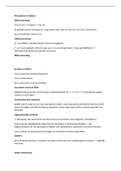
Reading
This collection of essays has one purpose to help you become a better reader and writer
Inborn: Existing from birth
What does reading do?…
Reading introduces you to new information and ideas
Reading gives you insight into your own experience
Reading exposes you to a broad range of strategies and styles
Reading makes you sensitive to the role of audience and writing
Reading attentively
Narration, Description, Example, Division or analysis, Classification, Process analyst, Comparison
and contrast, Definition, Cause and effect analysis, Argument, and persuasion
Social media, blogs, online college discussion boards, college papers, lab reports, examinations,
business memo, reports, letters to editors of newspapers, and articles of popular magazines
Reading critically
“Critical doesn’t mean negative”
Previewing
1.What are the authors background and qualifications? What approach to the
subject seems likely as a result?
2.What does the title convey about the subject in the authors attitude towards it?
3.What can you predict about your own response to the work?
Annotating
1.Underlining, brack underline bracket or check passages that you find important to the this purpose
2.Circle words or phrases that you don’t understand
3.Quick question marks in the margins next to unclear passages
4.Jot down associations that occurred to you
Using a reading checklist
1.Write a one or two in summary of each paragraph and Imogen own words
2.Answer provided questions
Reading
This collection of essays has one purpose to help you become a better reader and writer
Inborn: Existing from birth
What does reading do?…
Reading introduces you to new information and ideas
Reading gives you insight into your own experience
Reading exposes you to a broad range of strategies and styles
Reading makes you sensitive to the role of audience and writing
Reading attentively
Narration, Description, Example, Division or analysis, Classification, Process analyst, Comparison
and contrast, Definition, Cause and effect analysis, Argument, and persuasion
Social media, blogs, online college discussion boards, college papers, lab reports, examinations,
business memo, reports, letters to editors of newspapers, and articles of popular magazines
Reading critically
“Critical doesn’t mean negative”
Previewing
1.What are the authors background and qualifications? What approach to the
subject seems likely as a result?
2.What does the title convey about the subject in the authors attitude towards it?
3.What can you predict about your own response to the work?
Annotating
1.Underlining, brack underline bracket or check passages that you find important to the this purpose
2.Circle words or phrases that you don’t understand
3.Quick question marks in the margins next to unclear passages
4.Jot down associations that occurred to you
Using a reading checklist
1.Write a one or two in summary of each paragraph and Imogen own words
2.Answer provided questions