The Other Europe Seminars
seminars and summary of the required readings
Notes made in Seminars
Party People of The Other Europe
Important information for the exam/assignments, non-substantively
Important year(s), or terms
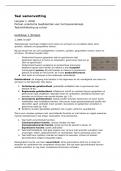
SEMINAR 1. Mental Maps
Jezernik, Where the East Begins
Božidar Jezernik (1951)
- Full professor of Cultural Anthropology at the University of Ljubljana.
- He teaches Ethnology of the Balkans, and has conducted extensive field work
in Eastern and South-Eastern Europe.
- He has published monographs on Italian, German and Yugoslav
concentration camps
peninsula = schiereiland
Balkan Mountains (Haemus) → ‘The Great Balkan’ → Bulgaria. The Area was
named after mountains
Due to the Russo-Turkish wars (till 1877) The Balkans also signified as ‘Mountains of
defence’
There is no obvious border on where the Balkan States start and end. Authors have
often disagreed about the exact extent of the Balkans. Therefore, the definition of
‘Balkan States’, underwent several changes over time.
However, there has never been much disagreement about the Balkans
non-European character or its intention to Europanise itself: Both were always taken
for granted. East Europe has been seen as ‘barbarian’, but also as ‘dreamy, calm,
away from the hurried life of Western civilization.’
In the second half of the nineteenth century, Western travellers thronged to see the
area and published hundreds of travel reports, but at the beginning of the twentieth
century, it was still described as the ‘least-known corner of Europe’.
,For Europeans to define themselves, they need something they differ from. Their
opposite, their other. The Balkan people served this purpose excellently. They
represented what Europeans had been but were no longer allowed to be.
‘Western Europeans’ found that the Balkans was not part of Europe but rather part of
Asia. This Because: “They never class themselves as Europeans and speak of
Europe as a completely separate area to their West’
In Balkans
17th century travel authors = discovered that in the East everything was different
from what they were accustomed to at home. bc, The people of the east contrafact
and contradicted (waren tegen) all forms of christians. (= Stereotypical view)
18th century travels= mainly fortuitous: they wanted descriptions of their journeys to
please and amuse their readers with their detailed accounts of picturesque
discoveries and adventures
End of 18th century travels = Travel to study a particular country from a political,
economic or military angle. But, the representation of the Balkans with the stereotype
from before continued. In the travel reports the Balkans was often seasoned with a
liberal measure of partiality, prejudice and bias.
There were really bad roads during this time in the Balkans. This is why many
travellers from the late 17th century preferred to bypass the Balkan Peninsula
altogether, and went to Istanbul via another way.
Along with roads, lodgings (verblijfplekken) were an important criterion for the state
of a country. In lodgings in the Balkans nothing was private: as a traveller you had to
share everything.
20th century travels = Railway became an important indicator of East-West.
Orient Express = Train between western Europe and Asia Minor. “The magic carpet
of the East”
A lot of inconveniences (ongemakken) of journeying across the Balkans can be
attributed to local pashas’ distrust (lokaal wantrouwen) of travellers. Are they future
conquerors? —> Travellers were often attacked
Travellers' attempts to get to know local conditions were hard because of the lack of
knowledge of the local languages. —> No free communication. Therefore, the
domestic life of the locals remained unknown. Some hired an interpreter: but this
, man often did not reach the expected level of languages. —> Main source of
information therefore were the Ottoman authorities.
Until the age of Romanticism, the travellers didn’t see nature as a beauty, but as a
dangerous obstacle which was hard to overcome. During Romanticism, they began
to see the ‘wild nature’ as a beauty, better than the ‘civilised west’ (= a positive
stereotype about the west)
19th Century = Travellers more interested in natural sources beneath the surface of
the Earth. They also thought the East had much less interests in these treasures
(like silver) than the West.
The Western people thought the Christian population in the Ottoman Empire were
deprived (ontnomen) of their human rights. (which was a shame)
“Turk” was a very bad word throughout Europe
The main reason for the bad state of economy, in the Western view, was the corrupt
Ottoman regime.
Ottoman army was defeated in wars in 1683 —> as a result the overall prestige of
the Ottoman Empire and its civilisation declined.
19th century = In the West hygiene (+ manners) became an important factor is
assessing levels of civilization. Turks were the most ‘dirty’, so the most uncivilized.
The whole balkan was ‘unclean’ in their eyes.
1. Which stereotypes about Southeast Europe ('the Balkans') does the text
present? Which of them are stable, which change over time?
“Whenever the term is used to denote something more than a range of mountains in
Bulgaria..: filth, passivity, untrustworthiness, disregard for women, conspiracy,
unscrupulousness, opportunism, indolence, superstition, sluggishness…”
→ Lack of civilization and Backwardness. (and they gave the Islam the blame for
that). Turks are especially lazy and have a lack of ambition. Unclean.
→ East = Savagery and tyranny. (despotism) West = democracy
Stereotypes werken voor-oordelend: ze nemen de objectieve observatie weg.
During the 19th century, Westerners generally saw themselves as a yardstick of
correctness, travelling around with the firm conviction that ‘there is no place like
home’.
seminars and summary of the required readings
Notes made in Seminars
Party People of The Other Europe
Important information for the exam/assignments, non-substantively
Important year(s), or terms
SEMINAR 1. Mental Maps
Jezernik, Where the East Begins
Božidar Jezernik (1951)
- Full professor of Cultural Anthropology at the University of Ljubljana.
- He teaches Ethnology of the Balkans, and has conducted extensive field work
in Eastern and South-Eastern Europe.
- He has published monographs on Italian, German and Yugoslav
concentration camps
peninsula = schiereiland
Balkan Mountains (Haemus) → ‘The Great Balkan’ → Bulgaria. The Area was
named after mountains
Due to the Russo-Turkish wars (till 1877) The Balkans also signified as ‘Mountains of
defence’
There is no obvious border on where the Balkan States start and end. Authors have
often disagreed about the exact extent of the Balkans. Therefore, the definition of
‘Balkan States’, underwent several changes over time.
However, there has never been much disagreement about the Balkans
non-European character or its intention to Europanise itself: Both were always taken
for granted. East Europe has been seen as ‘barbarian’, but also as ‘dreamy, calm,
away from the hurried life of Western civilization.’
In the second half of the nineteenth century, Western travellers thronged to see the
area and published hundreds of travel reports, but at the beginning of the twentieth
century, it was still described as the ‘least-known corner of Europe’.
,For Europeans to define themselves, they need something they differ from. Their
opposite, their other. The Balkan people served this purpose excellently. They
represented what Europeans had been but were no longer allowed to be.
‘Western Europeans’ found that the Balkans was not part of Europe but rather part of
Asia. This Because: “They never class themselves as Europeans and speak of
Europe as a completely separate area to their West’
In Balkans
17th century travel authors = discovered that in the East everything was different
from what they were accustomed to at home. bc, The people of the east contrafact
and contradicted (waren tegen) all forms of christians. (= Stereotypical view)
18th century travels= mainly fortuitous: they wanted descriptions of their journeys to
please and amuse their readers with their detailed accounts of picturesque
discoveries and adventures
End of 18th century travels = Travel to study a particular country from a political,
economic or military angle. But, the representation of the Balkans with the stereotype
from before continued. In the travel reports the Balkans was often seasoned with a
liberal measure of partiality, prejudice and bias.
There were really bad roads during this time in the Balkans. This is why many
travellers from the late 17th century preferred to bypass the Balkan Peninsula
altogether, and went to Istanbul via another way.
Along with roads, lodgings (verblijfplekken) were an important criterion for the state
of a country. In lodgings in the Balkans nothing was private: as a traveller you had to
share everything.
20th century travels = Railway became an important indicator of East-West.
Orient Express = Train between western Europe and Asia Minor. “The magic carpet
of the East”
A lot of inconveniences (ongemakken) of journeying across the Balkans can be
attributed to local pashas’ distrust (lokaal wantrouwen) of travellers. Are they future
conquerors? —> Travellers were often attacked
Travellers' attempts to get to know local conditions were hard because of the lack of
knowledge of the local languages. —> No free communication. Therefore, the
domestic life of the locals remained unknown. Some hired an interpreter: but this
, man often did not reach the expected level of languages. —> Main source of
information therefore were the Ottoman authorities.
Until the age of Romanticism, the travellers didn’t see nature as a beauty, but as a
dangerous obstacle which was hard to overcome. During Romanticism, they began
to see the ‘wild nature’ as a beauty, better than the ‘civilised west’ (= a positive
stereotype about the west)
19th Century = Travellers more interested in natural sources beneath the surface of
the Earth. They also thought the East had much less interests in these treasures
(like silver) than the West.
The Western people thought the Christian population in the Ottoman Empire were
deprived (ontnomen) of their human rights. (which was a shame)
“Turk” was a very bad word throughout Europe
The main reason for the bad state of economy, in the Western view, was the corrupt
Ottoman regime.
Ottoman army was defeated in wars in 1683 —> as a result the overall prestige of
the Ottoman Empire and its civilisation declined.
19th century = In the West hygiene (+ manners) became an important factor is
assessing levels of civilization. Turks were the most ‘dirty’, so the most uncivilized.
The whole balkan was ‘unclean’ in their eyes.
1. Which stereotypes about Southeast Europe ('the Balkans') does the text
present? Which of them are stable, which change over time?
“Whenever the term is used to denote something more than a range of mountains in
Bulgaria..: filth, passivity, untrustworthiness, disregard for women, conspiracy,
unscrupulousness, opportunism, indolence, superstition, sluggishness…”
→ Lack of civilization and Backwardness. (and they gave the Islam the blame for
that). Turks are especially lazy and have a lack of ambition. Unclean.
→ East = Savagery and tyranny. (despotism) West = democracy
Stereotypes werken voor-oordelend: ze nemen de objectieve observatie weg.
During the 19th century, Westerners generally saw themselves as a yardstick of
correctness, travelling around with the firm conviction that ‘there is no place like
home’.