Week 2 Land-Based Empire Unit 3 | 1450-1750 CE
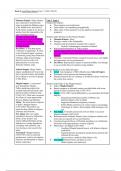
Ottoman Empire: Major Islamic Unit 3, Topic 1
state centered on Anatolia that Gunpowder Empires
came to include the Balkans, parts ● These empires were land-based
of the Middle East, and much of ● Each empire was expanding geographically
North Africa; lasted in one form or ● Main cause of that expansion was the adoption of gunpowder
another from the fourteenth to the weaponry
early twentieth century.
Ottoman dealings with the Muslims and Christians in the Ottoman Empire
Christian and Jewish populations ● Ottoman Empire: Jihad
of the empire resembled Akbar’s ● Strategic control of the Dardanelles
policies toward the Hindu majority ● Adoption and development of gunpowder weapons
of Mughal India. ○ Sacked Constantinople, renamed to Istanbul
Devshirme: A term that means ● Represented prominence of Turkic people
“collection or gathering”; It refers ● Century-long conflict (1534-1639): Sunni version of Islam
to the Ottoman Empire’s practice (Ottoman Empire) versus Shia form of Islam (Persian Safavid
of removing young boys from their Empire)
Christian subjects and training ● Christians welcomed Ottoman conquest because taxes were lighter
them for service in the civil and oppression was less pronounced
administration or in the elite ● Devshirme: Represented a means of upward mobility even though
Janissary infantry corps. it was a terrible blow for families losing children
Safavid Empire: Major Turkic Former Muslims in the Safavid Empire
empire established in Persia in the ● Ismail: Aid emergence of Shi’a Muslim state, Safavid Empire
early sixteenth century and notable ● Territorial rivalry between the Ottoman Empire
for its efforts to convert its people ● Hostility between the two continue to divide the Islamic world into
to Shia Islam. the twenty-first century
Mughal empire: A successful Muslims and Hindus in the Mughal Empire
state founded by Muslim ● India’s Mughal Empire
Turkic-speaking peoples who ● Brutal conquests in sixteenth century provided India with a rare
invaded India and provided a rare period of relative political unity (1526-1707)
period of relative political unity ● Akbar: (1556-1605) Acted deliberately to accommodate the Hindu
(1526-1707); Their rule was noted majority
for efforts to create partnerships ○ Incorporated substantial number of Hindus into
between Hindus and Muslims. political-military elite of empire
Akbar: The most famous emperor ○ Supported Hinduism (religiously tolerant)
of India’s Mughal Empire ○ Soften Hindu restrictions on women such as encouraging
(1556-1605); His policies are remarriage of widows, discouraging child marriages, and
noted for their efforts at religious sati
tolerance and inclusion. ● Nur Jahan: Twentieth and favorite wife of Akbar’s successor
Nur Jahan: She was widely Emperor Jahangir (1605-1627)
regarded as the power behind the ● Restrained more militantly Islamic ulama (religious scholars) and
throne of her alcohol- and removed jizya (special tax) on non-Muslims.
opium-addicted husband, giving ● Constructed special House of Worship, presiding over intellectual
audiences to visiting dignitaries, discussion with representatives of many religions
consulting with ministers, and ● Shah Jahan’s Taj Mahal (1628-1658)
even having a coin issued in her ○ Combined Mughal imperial power with Islamic religious
name. symbolism
Aurangzeb: Mughal emperor ○ Featured Quranic inscriptions and geometric patterns that
(1658-1707) who reversed his reflected divine order
predecessors’ policies of religious ○ Also served as a tomb for Shah Jahan's wife.
tolerance and attempted to impose ● Aurangzeb: Banned music and dance at court
Islamic supremacy. ○ Hindu temples were destroyed
Ottoman Empire: Major Islamic Unit 3, Topic 1
state centered on Anatolia that Gunpowder Empires
came to include the Balkans, parts ● These empires were land-based
of the Middle East, and much of ● Each empire was expanding geographically
North Africa; lasted in one form or ● Main cause of that expansion was the adoption of gunpowder
another from the fourteenth to the weaponry
early twentieth century.
Ottoman dealings with the Muslims and Christians in the Ottoman Empire
Christian and Jewish populations ● Ottoman Empire: Jihad
of the empire resembled Akbar’s ● Strategic control of the Dardanelles
policies toward the Hindu majority ● Adoption and development of gunpowder weapons
of Mughal India. ○ Sacked Constantinople, renamed to Istanbul
Devshirme: A term that means ● Represented prominence of Turkic people
“collection or gathering”; It refers ● Century-long conflict (1534-1639): Sunni version of Islam
to the Ottoman Empire’s practice (Ottoman Empire) versus Shia form of Islam (Persian Safavid
of removing young boys from their Empire)
Christian subjects and training ● Christians welcomed Ottoman conquest because taxes were lighter
them for service in the civil and oppression was less pronounced
administration or in the elite ● Devshirme: Represented a means of upward mobility even though
Janissary infantry corps. it was a terrible blow for families losing children
Safavid Empire: Major Turkic Former Muslims in the Safavid Empire
empire established in Persia in the ● Ismail: Aid emergence of Shi’a Muslim state, Safavid Empire
early sixteenth century and notable ● Territorial rivalry between the Ottoman Empire
for its efforts to convert its people ● Hostility between the two continue to divide the Islamic world into
to Shia Islam. the twenty-first century
Mughal empire: A successful Muslims and Hindus in the Mughal Empire
state founded by Muslim ● India’s Mughal Empire
Turkic-speaking peoples who ● Brutal conquests in sixteenth century provided India with a rare
invaded India and provided a rare period of relative political unity (1526-1707)
period of relative political unity ● Akbar: (1556-1605) Acted deliberately to accommodate the Hindu
(1526-1707); Their rule was noted majority
for efforts to create partnerships ○ Incorporated substantial number of Hindus into
between Hindus and Muslims. political-military elite of empire
Akbar: The most famous emperor ○ Supported Hinduism (religiously tolerant)
of India’s Mughal Empire ○ Soften Hindu restrictions on women such as encouraging
(1556-1605); His policies are remarriage of widows, discouraging child marriages, and
noted for their efforts at religious sati
tolerance and inclusion. ● Nur Jahan: Twentieth and favorite wife of Akbar’s successor
Nur Jahan: She was widely Emperor Jahangir (1605-1627)
regarded as the power behind the ● Restrained more militantly Islamic ulama (religious scholars) and
throne of her alcohol- and removed jizya (special tax) on non-Muslims.
opium-addicted husband, giving ● Constructed special House of Worship, presiding over intellectual
audiences to visiting dignitaries, discussion with representatives of many religions
consulting with ministers, and ● Shah Jahan’s Taj Mahal (1628-1658)
even having a coin issued in her ○ Combined Mughal imperial power with Islamic religious
name. symbolism
Aurangzeb: Mughal emperor ○ Featured Quranic inscriptions and geometric patterns that
(1658-1707) who reversed his reflected divine order
predecessors’ policies of religious ○ Also served as a tomb for Shah Jahan's wife.
tolerance and attempted to impose ● Aurangzeb: Banned music and dance at court
Islamic supremacy. ○ Hindu temples were destroyed