TEST BANK
f
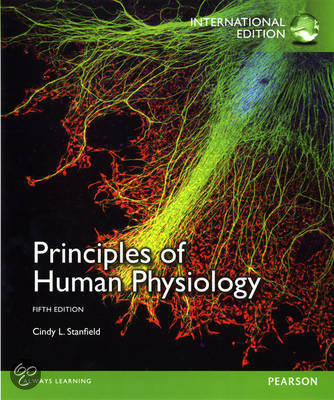
Principles of Human Physiology
f f f
Cindy Stanfield
f
6th Edition
f
,Table of Contents
f f
Chapter 1 Introduction to Physiology
f f f f 2
Chapter 2 The Cell - Structure and Function
f f f f f f f 34
Chapter 3 Cell Metabolism
f f f 93
Chapter 4 Cell Membrane Transport
f f f f 150
Chapter 5 Chemical Messengers
f f f 196
Chapter 6 The Endocrine System - Endocrine Glands and Hormone Actions
f f f f f f f f f f 236
Chapter 7 Nerve Cells and Electrical Signaling
f f f f f f 262
Chapter 8 Synaptic Transmission and Neural Integration
f f f f f f 303
Chapter 9 The Nervous System - Central Nervous System
f f f f f f f f 349
Chapter 10 The Nervous System - Sensory Systems
f f f f f f f 402
Chapter 11 The Nervous System - Autonomic and Motor Systems
f f f f f f f f f 475
Chapter 12 Muscle Physiology
f f f 500
Chapter 13 The Cardiovascular System - Cardiac Function
f f f f f f f 557
Chapter 14 The Cardiovascular System - Blood Vessels, Blood Flow, and Blood Pressure
f f f f f f f f f f f f 603
Chapter 15 The Cardiovascular System - Blood
f f f f f f 662
Chapter 16 The Respiratory System - Pulmonary Ventilation
f f f f f f f 693
Chapter 17 The Respiratory System - Gas Exchange and Regulation of Breathing
f f f f f f f f f f f 737
Chapter 18 The Urinary System - Renal Function
f f f f f f f 785
Chapter 19 The Urinary System - Fluid and Electrolyte Balance
f f f f f f f f f 840
Chapter 20 The Gastrointestinal System
f f f f 889
Chapter 21 The Endocrine System - Regulation of Energy Metabolism and Growth
f f f f f f f f f f f 959
Chapter 22 The Reproductive System
f f f f 1008
Chapter 23 The Immune System
f f f f 1066
Chapter 24 Diabetes Mellitus
f f f 1113
, Test fBank f- fPrinciples fof fHuman fPhysiology, f6e f(Stanfield, f2016)
Principles of Human Physiology, 6e (Stanfield)
f f f f f
Chapter 1 Introduction to Physiology
f f f f f
1.1 Multiple Choice Questions f f
1) The smallest living units capable of carrying out their own basic life functions are called
f f f f f f f f f f f f f f
A) organs.
B) organ systems. f
C) tissues.
D) cells.
E) organelles.
Answer: D f
HAPS LO: HAPS-1
f f
Bloom's Taxonomy: Knowledge
f f
Chapter Section: 1.1
f f f
2) Cells are classified into which of the following four broad categories?
f f f f f f f f f f
A) squamous, cubodial, columnar, and basement membranes f f f f f
B) skeletal, cardiac, endocrine, and nervous
f f f f
C) neurons, muscle, epithelial, and connective tissue
f f f f f
D) atoms, tissues, organs, and organ systems
f f f f f
E) endocrine, nervous, integumentary, and reproductive f f f f
Answer: C
f f
Learning Outcome: 1.1 f f
HAPS LO: HAPS-1
f f f
Bloom's Taxonomy: Knowledge
f f
Chapter Section: 1.1
f f f
3) Epithelial cells are associated with a noncellular material called a(n)
f f f f f f f f f
A) fibroblast.
B) connective tissue. f
C) endocrine gland. f
D) basement membrane. f
E) muscle fiber. f
Answer: D
f f
Learning Outcome: 1.1 f f
HAPS LO: HAPS-1
f f f
Bloom's Taxonomy: Knowledge
f f
Chapter Section: 1.1
f f f
1|Page
f f f f f
, Test fBank f- fPrinciples fof fHuman fPhysiology, f6e f(Stanfield, f2016)
4) are found in the linings of hollow organs where they separate fluids in the interior
f f f f f f f f f f f f f f
cavity from the surrounding body fluids. The interior cavity of a hollow organ or vessel is known as
f f f f f f f f f f f f f f f f f f
a
f f .
A) Endocrine cells : lumen f f f
B) Smooth muscle cells : cavity f f f f
C) Epithelial : lumen f f
D) Connective tissues : basement membran f f f f
E) Elastin cells : cavity f f f
Answer: C
f f
Learning Outcome: 1.1
f f
HAPS LO: HAPS-1
f f f
Bloom's Taxonomy: Knowledge
f f
Chapter Section: 1.1
f f f
5) The tissue type that generates mechanical force and movement, and whose activity is
f f f f f f f f f f f f
controlled both on a voluntary and involuntary level, is
f f f tissue. f f f f f f f
A) muscle
B) epithelial
C) connective
D) nervous
E) skeletal
Answer: A
f f
Learning Outcome: 1.1
f f
HAPS LO: HAPS-1|2
f f f
Bloom's Taxonomy: Knowledge
f f
Chapter Section: 1.1
f f f
6) Glands are derived from what type of tissue?
f f f f f f f
A) muscle
B) connective
C) epithelial
D) nerve
E) reticular
Answer: C
f f
Learning Outcome: 1.1
f f
HAPS LO: HAPS-1
f f f
Bloom's Taxonomy: Knowledge
f f
Chapter Section: 1.1
f f f
2|Page
f f f f f
f
Principles of Human Physiology
f f f
Cindy Stanfield
f
6th Edition
f
,Table of Contents
f f
Chapter 1 Introduction to Physiology
f f f f 2
Chapter 2 The Cell - Structure and Function
f f f f f f f 34
Chapter 3 Cell Metabolism
f f f 93
Chapter 4 Cell Membrane Transport
f f f f 150
Chapter 5 Chemical Messengers
f f f 196
Chapter 6 The Endocrine System - Endocrine Glands and Hormone Actions
f f f f f f f f f f 236
Chapter 7 Nerve Cells and Electrical Signaling
f f f f f f 262
Chapter 8 Synaptic Transmission and Neural Integration
f f f f f f 303
Chapter 9 The Nervous System - Central Nervous System
f f f f f f f f 349
Chapter 10 The Nervous System - Sensory Systems
f f f f f f f 402
Chapter 11 The Nervous System - Autonomic and Motor Systems
f f f f f f f f f 475
Chapter 12 Muscle Physiology
f f f 500
Chapter 13 The Cardiovascular System - Cardiac Function
f f f f f f f 557
Chapter 14 The Cardiovascular System - Blood Vessels, Blood Flow, and Blood Pressure
f f f f f f f f f f f f 603
Chapter 15 The Cardiovascular System - Blood
f f f f f f 662
Chapter 16 The Respiratory System - Pulmonary Ventilation
f f f f f f f 693
Chapter 17 The Respiratory System - Gas Exchange and Regulation of Breathing
f f f f f f f f f f f 737
Chapter 18 The Urinary System - Renal Function
f f f f f f f 785
Chapter 19 The Urinary System - Fluid and Electrolyte Balance
f f f f f f f f f 840
Chapter 20 The Gastrointestinal System
f f f f 889
Chapter 21 The Endocrine System - Regulation of Energy Metabolism and Growth
f f f f f f f f f f f 959
Chapter 22 The Reproductive System
f f f f 1008
Chapter 23 The Immune System
f f f f 1066
Chapter 24 Diabetes Mellitus
f f f 1113
, Test fBank f- fPrinciples fof fHuman fPhysiology, f6e f(Stanfield, f2016)
Principles of Human Physiology, 6e (Stanfield)
f f f f f
Chapter 1 Introduction to Physiology
f f f f f
1.1 Multiple Choice Questions f f
1) The smallest living units capable of carrying out their own basic life functions are called
f f f f f f f f f f f f f f
A) organs.
B) organ systems. f
C) tissues.
D) cells.
E) organelles.
Answer: D f
HAPS LO: HAPS-1
f f
Bloom's Taxonomy: Knowledge
f f
Chapter Section: 1.1
f f f
2) Cells are classified into which of the following four broad categories?
f f f f f f f f f f
A) squamous, cubodial, columnar, and basement membranes f f f f f
B) skeletal, cardiac, endocrine, and nervous
f f f f
C) neurons, muscle, epithelial, and connective tissue
f f f f f
D) atoms, tissues, organs, and organ systems
f f f f f
E) endocrine, nervous, integumentary, and reproductive f f f f
Answer: C
f f
Learning Outcome: 1.1 f f
HAPS LO: HAPS-1
f f f
Bloom's Taxonomy: Knowledge
f f
Chapter Section: 1.1
f f f
3) Epithelial cells are associated with a noncellular material called a(n)
f f f f f f f f f
A) fibroblast.
B) connective tissue. f
C) endocrine gland. f
D) basement membrane. f
E) muscle fiber. f
Answer: D
f f
Learning Outcome: 1.1 f f
HAPS LO: HAPS-1
f f f
Bloom's Taxonomy: Knowledge
f f
Chapter Section: 1.1
f f f
1|Page
f f f f f
, Test fBank f- fPrinciples fof fHuman fPhysiology, f6e f(Stanfield, f2016)
4) are found in the linings of hollow organs where they separate fluids in the interior
f f f f f f f f f f f f f f
cavity from the surrounding body fluids. The interior cavity of a hollow organ or vessel is known as
f f f f f f f f f f f f f f f f f f
a
f f .
A) Endocrine cells : lumen f f f
B) Smooth muscle cells : cavity f f f f
C) Epithelial : lumen f f
D) Connective tissues : basement membran f f f f
E) Elastin cells : cavity f f f
Answer: C
f f
Learning Outcome: 1.1
f f
HAPS LO: HAPS-1
f f f
Bloom's Taxonomy: Knowledge
f f
Chapter Section: 1.1
f f f
5) The tissue type that generates mechanical force and movement, and whose activity is
f f f f f f f f f f f f
controlled both on a voluntary and involuntary level, is
f f f tissue. f f f f f f f
A) muscle
B) epithelial
C) connective
D) nervous
E) skeletal
Answer: A
f f
Learning Outcome: 1.1
f f
HAPS LO: HAPS-1|2
f f f
Bloom's Taxonomy: Knowledge
f f
Chapter Section: 1.1
f f f
6) Glands are derived from what type of tissue?
f f f f f f f
A) muscle
B) connective
C) epithelial
D) nerve
E) reticular
Answer: C
f f
Learning Outcome: 1.1
f f
HAPS LO: HAPS-1
f f f
Bloom's Taxonomy: Knowledge
f f
Chapter Section: 1.1
f f f
2|Page
f f f f f