1
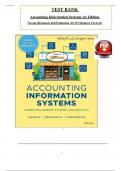
,Accounting Information Systems 1st Edition Savage Test Bank
d d d d d d d
Table of Contents:
d d
Part I: Foundations of AIS
d d d d
1 Accounting as Information d d
1.1 Why Is Accounting Information Important? 1-2
d d d d d
1.2 How Have Accounting Information Systems Evolved? 1-12
d d d d d d
1.3 How Does Management Use Information? 1-18
d d d d d
1.4 What Is the Relationship Between Accounting and Data Analytics? 1-23
d d d d d d d d d
2 Risks and Risk Assessments
d d d
2.1 How Do We Understand Risk? 2-2
d d d d d
2.2 What Are the Types of Risks? 2-7
d d d d d d
2.3 How Do We Prioritize Risk? 2-13
d d d d d
2.4 How Do We Respond to Risk? 2-18
d d d d d d
3 Risk Management and Internal Controls
d d d d
3.1 How Do Internal Controls Mitigate Risk? 3-2
d d d d d d
3.2 How Are Controls Classified? 3-8
d d d d
3.3 How Do We Assess Internal Controls? 3-16
d d d d d d
3.4 Why Are Internal Control Frameworks Important? 3-21
d d d d d d
4 Software and Systems d d
4.1 How Do Systems Capture and Process Data? 4-2
d d d d d d d
4.2 How Do Startups and Small Businesses Use Technology? 4-10
d d d d d d d d
4.3 What Are the Characteristics of Information Systems for Growing Companies? 4-15
d d d d d d d d d d
4.4 Why Are Enterprise Resource Planning (ERP) Systems Considered Ideal? 4-22
d d d d d d d d d
5 Data Storage and Analysis
d d d
5.1 What Is Data? 5-2 d d d
5.2 How Is Data Stored? 5-8
d d d d
5.3 What Makes Data “Big Data”? 5-11
d d d d d
5.4 How Do Accounting Professionals Use Data? 5-15
d d d d d d
6 Designing Systems and Databases d d d
6.1 How Are Systems Developed? 6-2
d d d d
6.2 Which Methodology Should Be Used? 6-9
d d d d d
6.3 What Type of Database Should Be Used? 6-15
d d d d d d d
6.4 How Are Relational Databases Designed? 6-20
d d d d d
6.5 How Do We Interact with Data in a Database? 6-29
d d d d d d d d d
7 Emerging and Disruptive Technologies d d d
7.1 How Do Companies Approach Emerging and Disruptive Technologies? 7-2
d d d d d d d d
7.2 How Do Disruptive Technologies Provide Business Opportunities? 7-7
d d d d d d d
7.3 How Does Robotic Process Automation (RPA) Benefit Accounting Professionals? 7-12
d d d d d d d d d
7.4 What Is Blockchain? 7-23
d d d
7.5 Why Should Accountants Care About Blockchain? 7-30
d d d d d d
8 Documenting Systems and Processes d d d
8.1 Why Do We Document Systems and
d d d d d
8.2 How Do We Know Which Type of Documentation to Use? 8-6
d d d d d d d d d d
8.3 How Do Flowcharts Illustrate Systems or Business Processes? 8-12
d d d d d d d d
8.4 How Do Data Flow Diagrams Show Information Flow? 8-19
d d d d d d d d
Part II: Business Processes
d d d
9 Human Resources and Payroll Processes
d d d d
2
,9.1 How Are Human Resources and Payroll Related? 9-2
d d d d d d d
9.2 How Are New Employees Hired? 9-6
d d d d d
9.3 What Happens When an Employee Is Terminated? 9-13
d d d d d d d
9.4 How Do We Compensate Employees for Their Work? 9-19
d d d d d d d d
9.5 How Can Human Resources and Payroll Data Be Used to Identify Risks? 9-28
d d d d d d d d d d d d
10 Purchasing and Payments Processes d d d
10.1 What Is the Relationship Between Purchasing, Inventory Management, and Supply
d d d d d d d d d
Chain Management? 10-2
d d d
10.2 How Are Inventory and Other Goods and Services Purchased? 10-9
d d d d d d d d d
10.3 What Makes Fixed Assets Unique to Purchasing and Payments? 10-17
d d d d d d d d d
10.4 How Do We Evaluate the Credit Payments Process? 10-24
d d d d d d d d
10.5 How Does the AIS Capture Purchasing and Payments Data? 10-28
d d d d d d d d d
11 Conversion Processes d
11.1 What Is the Relationship Between Conversion Processes, Inventory, and Supply
d d d d d d d d d
Chain Management? 11-2
d d d
11.2 Why Is Cost Accounting Important to the Accounting Information System? 11-14
d d d d d d d d d d
11.3 What Is Digital Manufacturing? 11-22
d d d d
11.4 How Is Data Collected and Used? 11-26
d d d d d d
14.5 How Do We Make Changes to Systems? 14-27
d d d d d d d d
12 Marketing, Sales, and Collections Processes d d d d
12.1 How Do Marketing, Sales, and Collections Complete the Business Model? 12-2
d d d d d d d d d d
12.2 Why Are Business Credit Sales More Complex Than Consumer Cash Sales? 12-12
d d d d d d d d d d d
12.3 How Do We Ensure That Revenue Is Correctly Recognized? 12-24
d d d d d d d d d
12.4 How Are Customer Payments Collected? 12-29
d d d d d
12.5 Which Reports and Analytics Give Insights into These Processes? 12-36
d d d d d d d d d
13 Financial Reporting Processes d d
13.1 How Is an AIS Involved in Financial Reporting? 13-2
d d d d d d d d
13.2 How Are Financial Statements Generated by an AIS? 13-6
d d d d d d d d
13.3 How Does XBRL Create Efficient Financial Reporting? 13-16
d d d d d d d
13.4 Are There Other Important Financial Accounting Reports? 13-20
d d d d d d d
13.5 How Is Financial Reporting Data Used for Insights and Decision Making? 13-25
d d d d d d d d d d d
Part III: Risk Assurance
d d d
14 Information Systems and Controls d d d
14.1 What Framework Can We Use to Mitigate Risk Around Our Systems? 14-2
d d d d d d d d d d d
14.2 How Do We Decide Who Can Access Systems? 14-6
d d d d d d d d
14.3 How Do We Physically Protect Our Systems? 14-13
d d d d d d d
14.4 How Do We Keep Our Systems Running? 14-18
d d d d d d d
15 Fraud
15.1 What Is Fraud? 15-2 d d d
15.2 How Do We Manage Fraud Risk? 15-8
d d d d d d
15.3 How Does Asset Misappropriation Result in Fraud? 15-14
d d d d d d d
15.4 What Are the Characteristics of Financial Statement Fraud? 15-22
d d d d d d d d
16 Cybersecurity
16.1 How Is Cybersecurity Relevant to the Accounting Profession? 16-2
d d d d d d d d
16.2 How Do Cybercriminals Plan Attacks? 16-8
d d d d d
16.3 How Do Hackers Gain Unauthorized Access? 16-15
d d d d d d
16.4 How Do Attackers Shut Down a System? 16-21
d d d d d d d
Part IV: Technology and Analytics
d d d d
17 Data Analytics
d d d
3
, 17.1 How Is Data Analytics Changing the Accounting Profession? 17-2
d d d d d d d d
17.2 How Do We Explore a Data Set? 17-7
d d d d d d d
17.3 How Do We Investigate Interesting Occurrences in a Data Set? 17-13
d d d d d d d d d d
17.4 Which Analytics Techniques Are Gaining Popularity in the Accounting Profession?
d d d d d d d d d
17- 18
d d
18 Data Visualization
d
18.1 How Does Visualization Tell a Story with Data? 18-2
d d d d d d d d
18.2 What Are the Fundamentals of Design? 18-7
d d d d d d
18.3 How Do Visualizations Help Us Explore Data? 18-13
d d d d d d d
18.4 When Should Explanatory Visualizations Be Used for Storytelling? 18-25
d d d d d d d d
Online Chapter
d
19 Audit Assurance
d
19.1 What Is the Difference Between Internal Audit and External Audit? 19-2
d d d d d d d d d d
19.2 How Are Internal Audits Performed? 19-8
d d d d d
19.3 How Is Testing Performed? 19-13
d d d d
19.4 What Happens After an Audit? 19-21
d d d d d
4
,Accounting Information Systems 1st Edition Savage Test Bank
d d d d d d d
Table of Contents:
d d
Part I: Foundations of AIS
d d d d
1 Accounting as Information d d
1.1 Why Is Accounting Information Important? 1-2
d d d d d
1.2 How Have Accounting Information Systems Evolved? 1-12
d d d d d d
1.3 How Does Management Use Information? 1-18
d d d d d
1.4 What Is the Relationship Between Accounting and Data Analytics? 1-23
d d d d d d d d d
2 Risks and Risk Assessments
d d d
2.1 How Do We Understand Risk? 2-2
d d d d d
2.2 What Are the Types of Risks? 2-7
d d d d d d
2.3 How Do We Prioritize Risk? 2-13
d d d d d
2.4 How Do We Respond to Risk? 2-18
d d d d d d
3 Risk Management and Internal Controls
d d d d
3.1 How Do Internal Controls Mitigate Risk? 3-2
d d d d d d
3.2 How Are Controls Classified? 3-8
d d d d
3.3 How Do We Assess Internal Controls? 3-16
d d d d d d
3.4 Why Are Internal Control Frameworks Important? 3-21
d d d d d d
4 Software and Systems d d
4.1 How Do Systems Capture and Process Data? 4-2
d d d d d d d
4.2 How Do Startups and Small Businesses Use Technology? 4-10
d d d d d d d d
4.3 What Are the Characteristics of Information Systems for Growing Companies? 4-15
d d d d d d d d d d
4.4 Why Are Enterprise Resource Planning (ERP) Systems Considered Ideal? 4-22
d d d d d d d d d
5 Data Storage and Analysis
d d d
5.1 What Is Data? 5-2 d d d
5.2 How Is Data Stored? 5-8
d d d d
5.3 What Makes Data “Big Data”? 5-11
d d d d d
5.4 How Do Accounting Professionals Use Data? 5-15
d d d d d d
6 Designing Systems and Databases d d d
6.1 How Are Systems Developed? 6-2
d d d d
6.2 Which Methodology Should Be Used? 6-9
d d d d d
6.3 What Type of Database Should Be Used? 6-15
d d d d d d d
6.4 How Are Relational Databases Designed? 6-20
d d d d d
6.5 How Do We Interact with Data in a Database? 6-29
d d d d d d d d d
7 Emerging and Disruptive Technologies d d d
7.1 How Do Companies Approach Emerging and Disruptive Technologies? 7-2
d d d d d d d d
7.2 How Do Disruptive Technologies Provide Business Opportunities? 7-7
d d d d d d d
7.3 How Does Robotic Process Automation (RPA) Benefit Accounting Professionals? 7-12
d d d d d d d d d
7.4 What Is Blockchain? 7-23
d d d
7.5 Why Should Accountants Care About Blockchain? 7-30
d d d d d d
8 Documenting Systems and Processes d d d
8.1 Why Do We Document Systems and
d d d d d
8.2 How Do We Know Which Type of Documentation to Use? 8-6
d d d d d d d d d d
8.3 How Do Flowcharts Illustrate Systems or Business Processes? 8-12
d d d d d d d d
8.4 How Do Data Flow Diagrams Show Information Flow? 8-19
d d d d d d d d
Part II: Business Processes
d d d
9 Human Resources and Payroll Processes
d d d d
2
,9.1 How Are Human Resources and Payroll Related? 9-2
d d d d d d d
9.2 How Are New Employees Hired? 9-6
d d d d d
9.3 What Happens When an Employee Is Terminated? 9-13
d d d d d d d
9.4 How Do We Compensate Employees for Their Work? 9-19
d d d d d d d d
9.5 How Can Human Resources and Payroll Data Be Used to Identify Risks? 9-28
d d d d d d d d d d d d
10 Purchasing and Payments Processes d d d
10.1 What Is the Relationship Between Purchasing, Inventory Management, and Supply
d d d d d d d d d
Chain Management? 10-2
d d d
10.2 How Are Inventory and Other Goods and Services Purchased? 10-9
d d d d d d d d d
10.3 What Makes Fixed Assets Unique to Purchasing and Payments? 10-17
d d d d d d d d d
10.4 How Do We Evaluate the Credit Payments Process? 10-24
d d d d d d d d
10.5 How Does the AIS Capture Purchasing and Payments Data? 10-28
d d d d d d d d d
11 Conversion Processes d
11.1 What Is the Relationship Between Conversion Processes, Inventory, and Supply
d d d d d d d d d
Chain Management? 11-2
d d d
11.2 Why Is Cost Accounting Important to the Accounting Information System? 11-14
d d d d d d d d d d
11.3 What Is Digital Manufacturing? 11-22
d d d d
11.4 How Is Data Collected and Used? 11-26
d d d d d d
14.5 How Do We Make Changes to Systems? 14-27
d d d d d d d d
12 Marketing, Sales, and Collections Processes d d d d
12.1 How Do Marketing, Sales, and Collections Complete the Business Model? 12-2
d d d d d d d d d d
12.2 Why Are Business Credit Sales More Complex Than Consumer Cash Sales? 12-12
d d d d d d d d d d d
12.3 How Do We Ensure That Revenue Is Correctly Recognized? 12-24
d d d d d d d d d
12.4 How Are Customer Payments Collected? 12-29
d d d d d
12.5 Which Reports and Analytics Give Insights into These Processes? 12-36
d d d d d d d d d
13 Financial Reporting Processes d d
13.1 How Is an AIS Involved in Financial Reporting? 13-2
d d d d d d d d
13.2 How Are Financial Statements Generated by an AIS? 13-6
d d d d d d d d
13.3 How Does XBRL Create Efficient Financial Reporting? 13-16
d d d d d d d
13.4 Are There Other Important Financial Accounting Reports? 13-20
d d d d d d d
13.5 How Is Financial Reporting Data Used for Insights and Decision Making? 13-25
d d d d d d d d d d d
Part III: Risk Assurance
d d d
14 Information Systems and Controls d d d
14.1 What Framework Can We Use to Mitigate Risk Around Our Systems? 14-2
d d d d d d d d d d d
14.2 How Do We Decide Who Can Access Systems? 14-6
d d d d d d d d
14.3 How Do We Physically Protect Our Systems? 14-13
d d d d d d d
14.4 How Do We Keep Our Systems Running? 14-18
d d d d d d d
15 Fraud
15.1 What Is Fraud? 15-2 d d d
15.2 How Do We Manage Fraud Risk? 15-8
d d d d d d
15.3 How Does Asset Misappropriation Result in Fraud? 15-14
d d d d d d d
15.4 What Are the Characteristics of Financial Statement Fraud? 15-22
d d d d d d d d
16 Cybersecurity
16.1 How Is Cybersecurity Relevant to the Accounting Profession? 16-2
d d d d d d d d
16.2 How Do Cybercriminals Plan Attacks? 16-8
d d d d d
16.3 How Do Hackers Gain Unauthorized Access? 16-15
d d d d d d
16.4 How Do Attackers Shut Down a System? 16-21
d d d d d d d
Part IV: Technology and Analytics
d d d d
17 Data Analytics
d d d
3
, 17.1 How Is Data Analytics Changing the Accounting Profession? 17-2
d d d d d d d d
17.2 How Do We Explore a Data Set? 17-7
d d d d d d d
17.3 How Do We Investigate Interesting Occurrences in a Data Set? 17-13
d d d d d d d d d d
17.4 Which Analytics Techniques Are Gaining Popularity in the Accounting Profession?
d d d d d d d d d
17- 18
d d
18 Data Visualization
d
18.1 How Does Visualization Tell a Story with Data? 18-2
d d d d d d d d
18.2 What Are the Fundamentals of Design? 18-7
d d d d d d
18.3 How Do Visualizations Help Us Explore Data? 18-13
d d d d d d d
18.4 When Should Explanatory Visualizations Be Used for Storytelling? 18-25
d d d d d d d d
Online Chapter
d
19 Audit Assurance
d
19.1 What Is the Difference Between Internal Audit and External Audit? 19-2
d d d d d d d d d d
19.2 How Are Internal Audits Performed? 19-8
d d d d d
19.3 How Is Testing Performed? 19-13
d d d d
19.4 What Happens After an Audit? 19-21
d d d d d
4